






No products in the cart.
- Latest
- Trending


Photo Credit: A render of the man-made Palm Jebel Ali island in Dubai. Nakheel
Comprehensive Summarization:
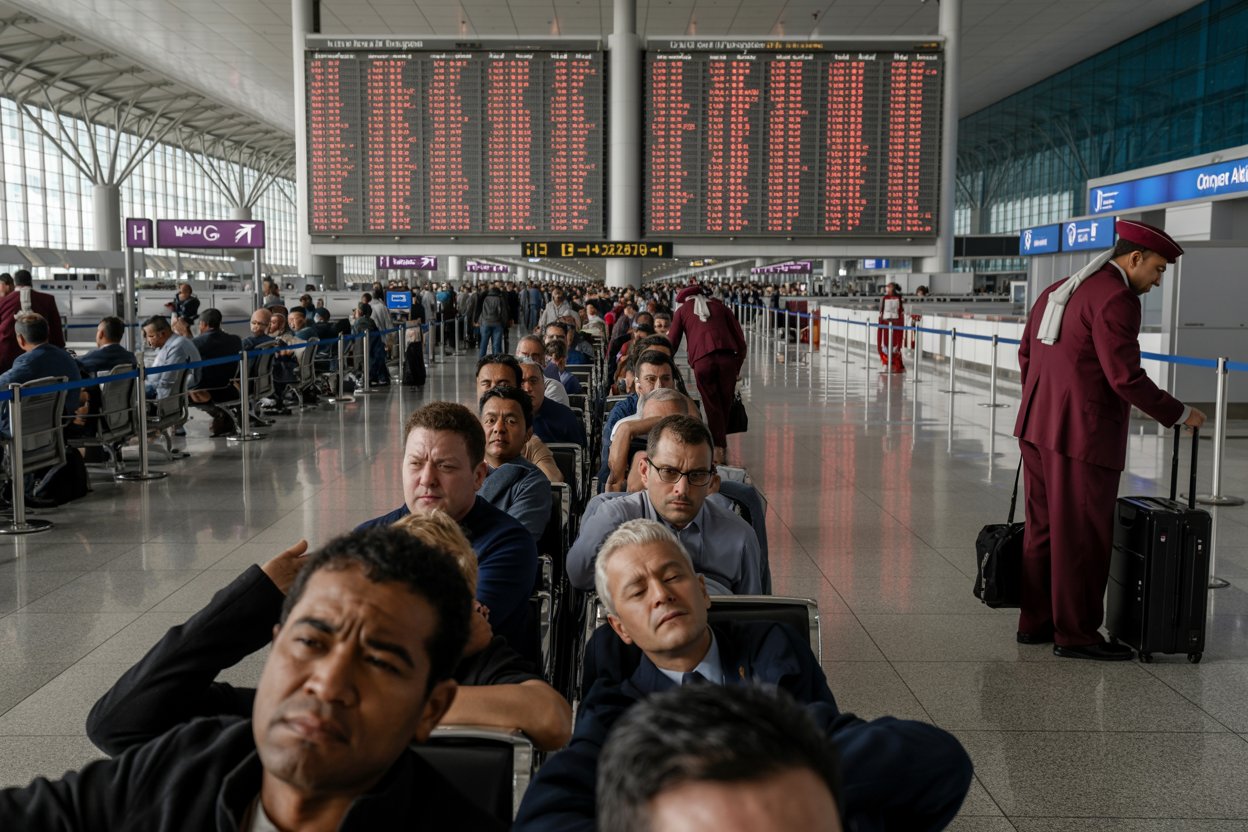
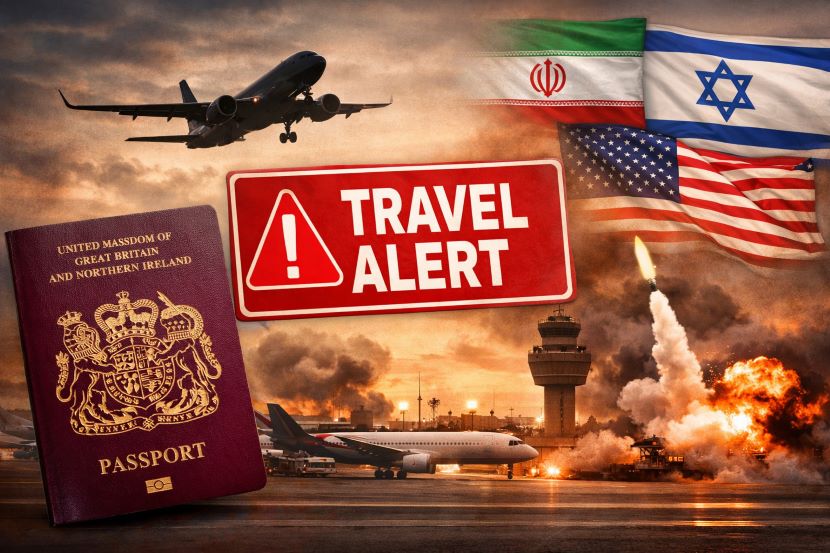
The article highlights the significant impact of the Iran war on international tourism in the UAE, leading to a “race to the bottom” among holiday home operators as they cut prices to attract guests. Occupancy levels have plummeted from near full capacity at the end of February to historic lows by March 23. For instance, Vinayak Mahtani, CEO of bnbme Holiday Homes, reported a drastic drop in occupancy from 90% on February 28 to below 20% by mid-March. This downturn is attributed to the geopolitical tensions and subsequent decline in international travel. Despite these challenges, there are signs of growth in bookings from domestic travelers seeking local destinations.
Key Points:
Actionable Takeaways:
Price Adjustments and Market Competition: Operators are aggressively cutting prices to remain competitive amidst the downturn. This strategy, while necessary for survival, may lead to unsustainable pricing if not managed carefully. Relevance: Understanding the necessity of price adjustments can help operators balance profitability with market competitiveness, ensuring long-term sustainability in a volatile market.
Diversification of Customer Base: There is a growing trend of domestic travelers seeking local destinations, indicating a potential opportunity for operators to tap into this market segment. Relevance: Diversifying the customer base to include domestic travelers can mitigate the impact of international tourism declines, providing a more stable revenue stream.
Contextual Insights:
The current situation underscores the vulnerability of the travel industry to geopolitical events and their ripple effects on tourism. The rapid shift in consumer behavior, from international to domestic travel, highlights the adaptability required in the sector. This context is crucial for understanding the broader implications for travel startups and fintech innovations, which must now focus on enhancing domestic travel experiences and leveraging digital platforms to engage new customer segments. Relevance: By recognizing the shift in travel patterns and the need for adaptability, industry stakeholders can better position themselves to navigate future challenges and capitalize on emerging opportunities in the travel sector.
Read the Complete Article.
Get curated travel AI insights — choose the newsletters that matter to you.
This spot is reserved for brands with a compelling story for the travel trade. They use this space to cut...
Read moreDetailsALTOUR Expands into Thailand, Strengthening Corporate Travel Network Across Southeast Asia BANGKOK, THAILAND (25 March, 2026) – ALTOUR, a leading...
Read moreDetails


Comprehensive Summarization: Wizz Air has initiated a strategic phase-out of its prior-generation Airbus A321 aircraft as part of its ongoing...
Read moreDetails