


No products in the cart.
- Latest
- Trending

No. 2 US diplomat meets much-prosecuted West African leader after visa restrictions were eased | New...
Article Summary:
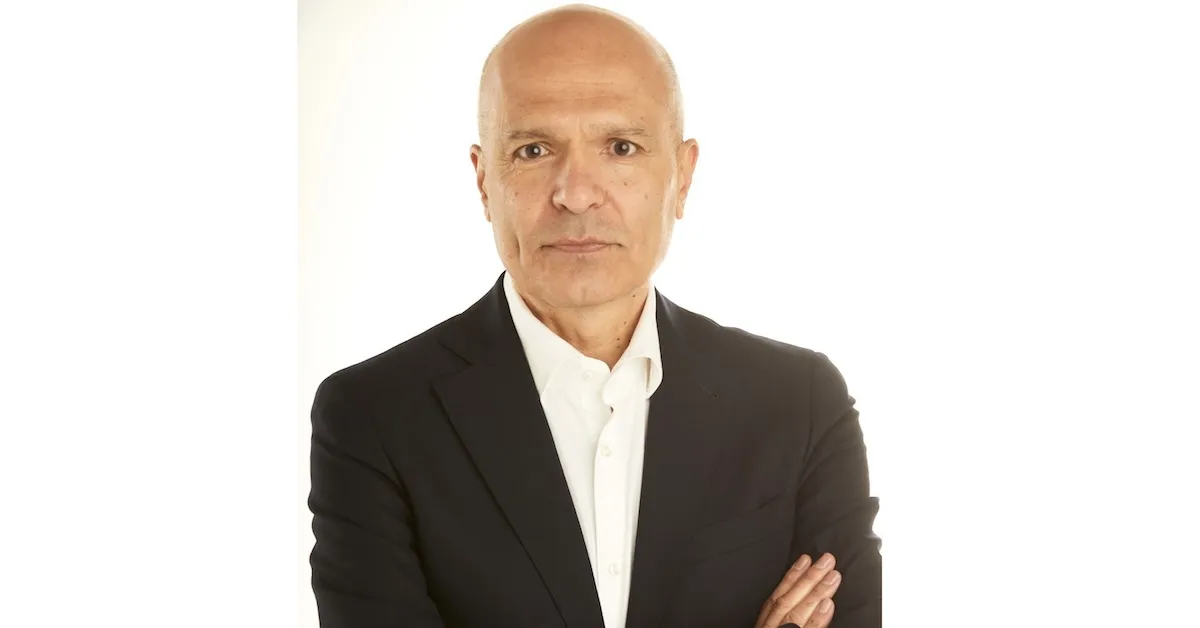
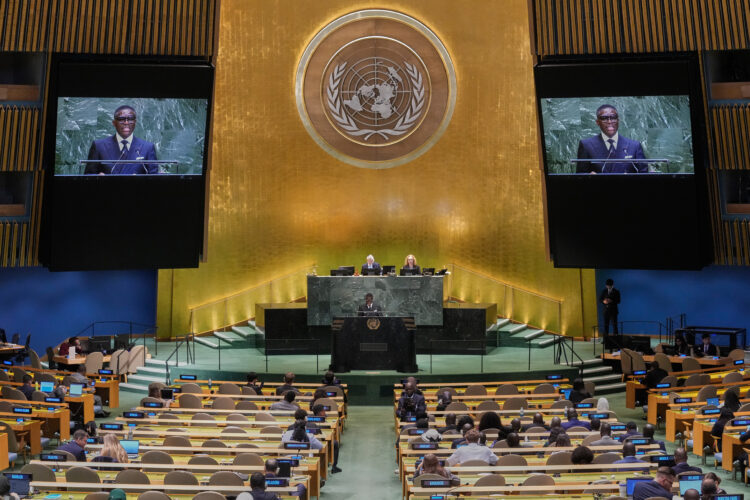
The article reports on U.S. Deputy Secretary of State Christopher Landau’s meeting with Equatorial Guinea Vice President Teodoro Nguema Obiang Mangue in Washington. This meeting occurred after the Trump administration approved a waiver of corruption sanctions, allowing the vice president to travel to New York for the 80th session of the United Nations General Assembly and other U.S. cities. The meeting reaffirmed joint commitments to deepen commercial and economic ties, combat illegal immigration, and advance security cooperation. The article also touches on the broader context of U.S.-Equatorial Guinea relations and the significance of such diplomatic engagements in the travel industry.
Key Points:
Actionable Takeaways:
Contextual Insights:
The article reflects the ongoing complexities in international relations, particularly concerning countries with contentious political histories like Equatorial Guinea. The meeting between Landau and Vice President Obiang Mangue is a strategic diplomatic move that could have far-reaching implications for the travel industry. As the travel sector increasingly relies on stable and secure environments for tourism and business travel, such diplomatic efforts are crucial. Furthermore, the context of recent travel trends, such as the emphasis on safety and security, aligns with the focus on security cooperation highlighted in the article. Thought leaders in the travel industry are likely to view this development positively, as it signals a potential reduction in travel risks and an opportunity for increased international travel to the region. The article also hints at the broader implications of such diplomatic engagements on global travel trends, suggesting that strategic diplomatic efforts can influence travel patterns and sector growth.
Read the Complete Article.
Get curated travel AI insights — choose the newsletters that matter to you.
This spot is reserved for brands with a compelling story for the travel trade. They use this space to cut...
Read moreDetailsALTOUR Expands into Thailand, Strengthening Corporate Travel Network Across Southeast Asia BANGKOK, THAILAND (25 March, 2026) – ALTOUR, a leading...
Read moreDetails


Comprehensive Summarization: COAX Software, a leading provider of modern travel technology solutions, has partnered with King Danylo University to launch...
Read moreDetails