





No products in the cart.
- Latest
- Trending

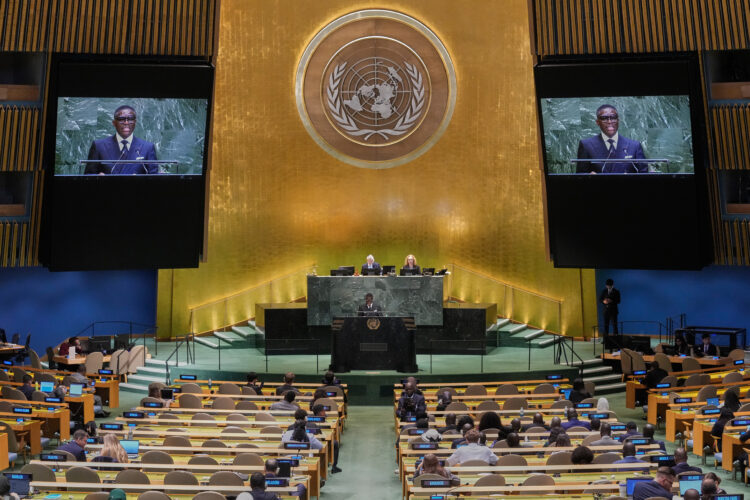
No. 2 US diplomat meets much-prosecuted West African leader after visa restrictions were eased | New...
Article Summary:
U.S. Deputy Secretary of State Christopher Landau met with Teodoro “Teddy” Nguema Obiang, the vice president of Equatorial Guinea, prior to his travel for a high-level U.N. meeting. This meeting occurred after the Trump administration approved a waiver of corruption sanctions, allowing Obiang to travel to New York and other U.S. cities. During the meeting, Landau reaffirmed commitments to deepen commercial and economic ties, combat illegal immigration, and advance security cooperation with Obiang.
Key Points:
Actionable Takeaways:
Contextual Insights:
The article reflects current diplomatic efforts to strengthen international ties, particularly in regions with complex political landscapes. The waiver of corruption sanctions for Obiang’s travel highlights the delicate balance between diplomatic relations and regulatory compliance. This context is crucial for understanding the broader implications for the travel industry, where security and regulatory compliance are paramount. The focus on commercial and economic ties also points to potential opportunities for travel startups and fintech innovations aimed at facilitating international trade and tourism. As the travel industry continues to evolve, staying abreast of such diplomatic developments will be essential for anticipating market trends and technological advancements.
Read the Complete Article.
Get curated travel AI insights — choose the newsletters that matter to you.
This spot is reserved for brands with a compelling story for the travel trade. They use this space to cut...
Read moreDetailsALTOUR Expands into Thailand, Strengthening Corporate Travel Network Across Southeast Asia BANGKOK, THAILAND (25 March, 2026) – ALTOUR, a leading...
Read moreDetails


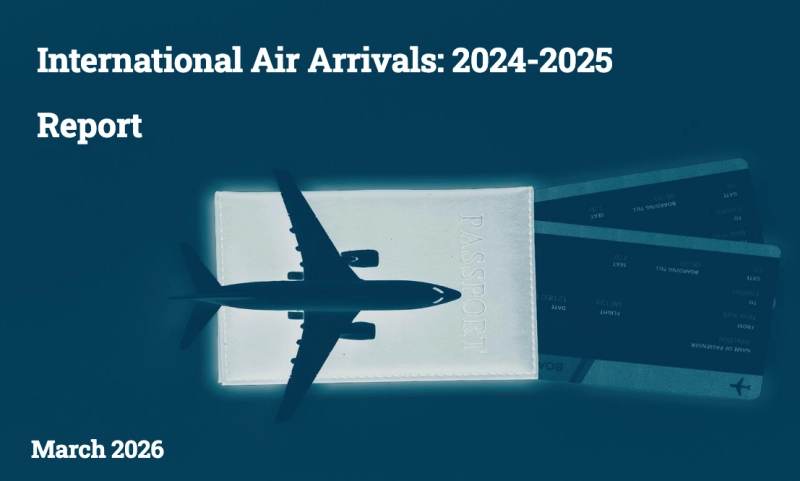
Comprehensive Summarization: The article from INSETE highlights a significant 5.9% increase in international air arrivals to Greece in 2025, reaching...
Read moreDetails