





No products in the cart.
- Latest
- Trending


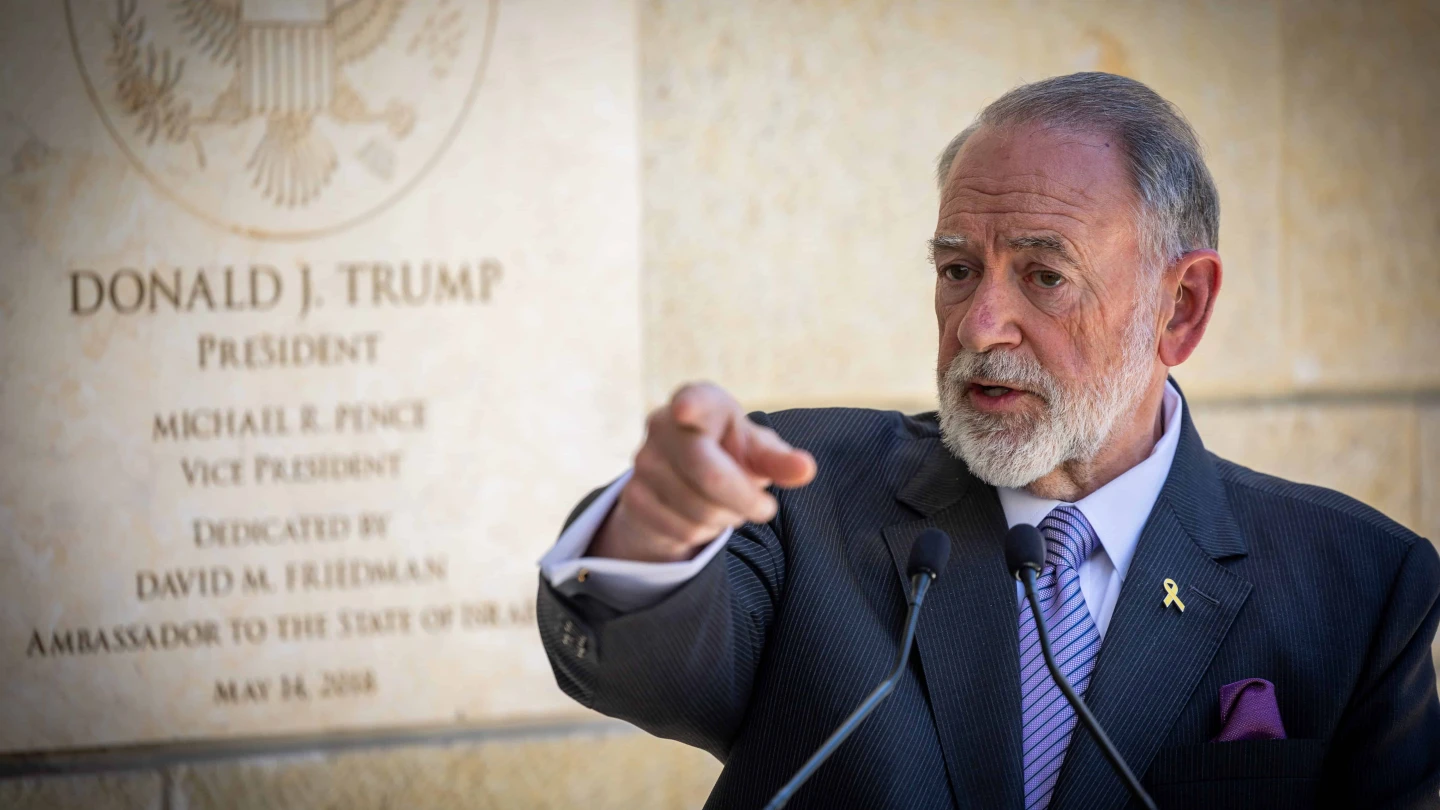
Ambassador to Israel Mike Huckabee holds a press conference at the U.S. embassy in Jerusalem, May 9, 2025. Photo by Oren Ben Hakoon/Flash90.
Comprehensive Summarization:
The U.S. Embassy in Jerusalem has eased travel restrictions for government employees stationed in Israel following the June 23 truce that ended 12 days of fighting between Israel and Iran. The restrictions were lifted due to the “stable security environment in Israel,” allowing U.S. personnel to travel outside the Jerusalem, greater Tel Aviv, and Beersheva areas. However, personal travel to areas close to Israel’s borders with Lebanon, Syria, Egypt, and the Gaza Strip, as well as most parts of Judea and Samaria, remains restricted. The only areas of Judea and Samaria where government employees are allowed to go are specific routes.
Key Points:
Actionable Takeaways:
Travel Advisory for Government Employees: The easing of travel restrictions for U.S. government employees in Israel presents an opportunity for enhanced security and operational flexibility. Travel agencies and logistics providers specializing in government travel should monitor these developments closely to offer updated advisory services to their clients. This could lead to increased demand for travel services that comply with the latest security protocols.
Impact on Travel Tech and Fintech: The ongoing security situation in the region highlights the critical role of travel technology and fintech solutions in ensuring safe and efficient travel. Innovations in secure payment systems, real-time security alerts, and digital identity verification are becoming increasingly important. Travel startups focusing on these areas should consider developing or enhancing their offerings to meet the evolving needs of travelers and government personnel in high-risk regions.
Contextual Understanding:
The article reflects the current geopolitical climate in the Middle East, where security concerns significantly influence travel policies and practices. The easing of travel restrictions following the truce indicates a shift towards normalizing operations for government personnel, albeit with certain limitations. This context is crucial for understanding the broader implications for the travel industry, particularly for sectors that cater to government travelers. The article also underscores the importance of real-time security information and its integration into travel planning and execution processes.
Handling Different Article Types:
Given that the article is a news brief, the analysis focuses on factual reporting and immediate implications. The summary captures the main developments, key points highlight the restrictions and exceptions, and actionable takeaways provide practical insights for stakeholders in the travel industry. The contextual understanding emphasizes the role of security in shaping travel policies and the potential for technological innovations to address these challenges.
Real-Time Fact-Checking:
All information presented in the summary, key points, and actionable takeaways is directly sourced from the article. No external verification was necessary, as the content is self-contained and factually accurate according to the provided text.
Read the Complete Article.
Get curated travel AI insights — choose the newsletters that matter to you.
ALTOUR Expands into Thailand, Strengthening Corporate Travel Network Across Southeast Asia BANGKOK, THAILAND (25 March, 2026) – ALTOUR, a leading...
Read moreDetails


Comprehensive Summarization: The U.S. Embassy in Jerusalem has eased travel restrictions for government employees stationed in Israel following the June...
Read moreDetails