



No products in the cart.
- Latest
- Trending

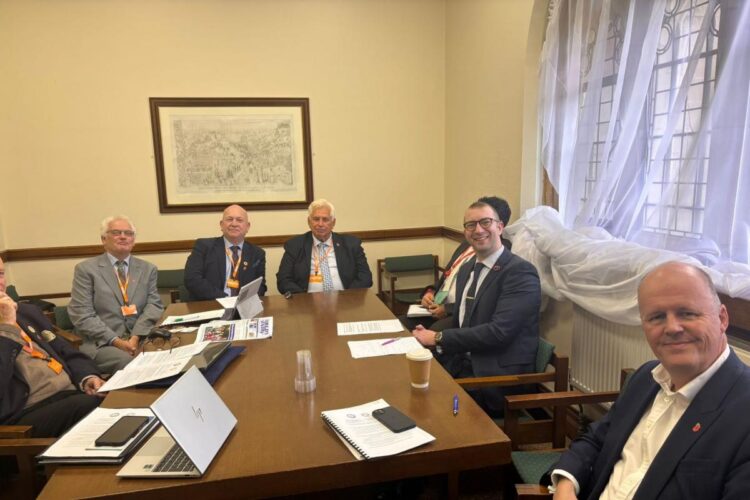
Article Summary:
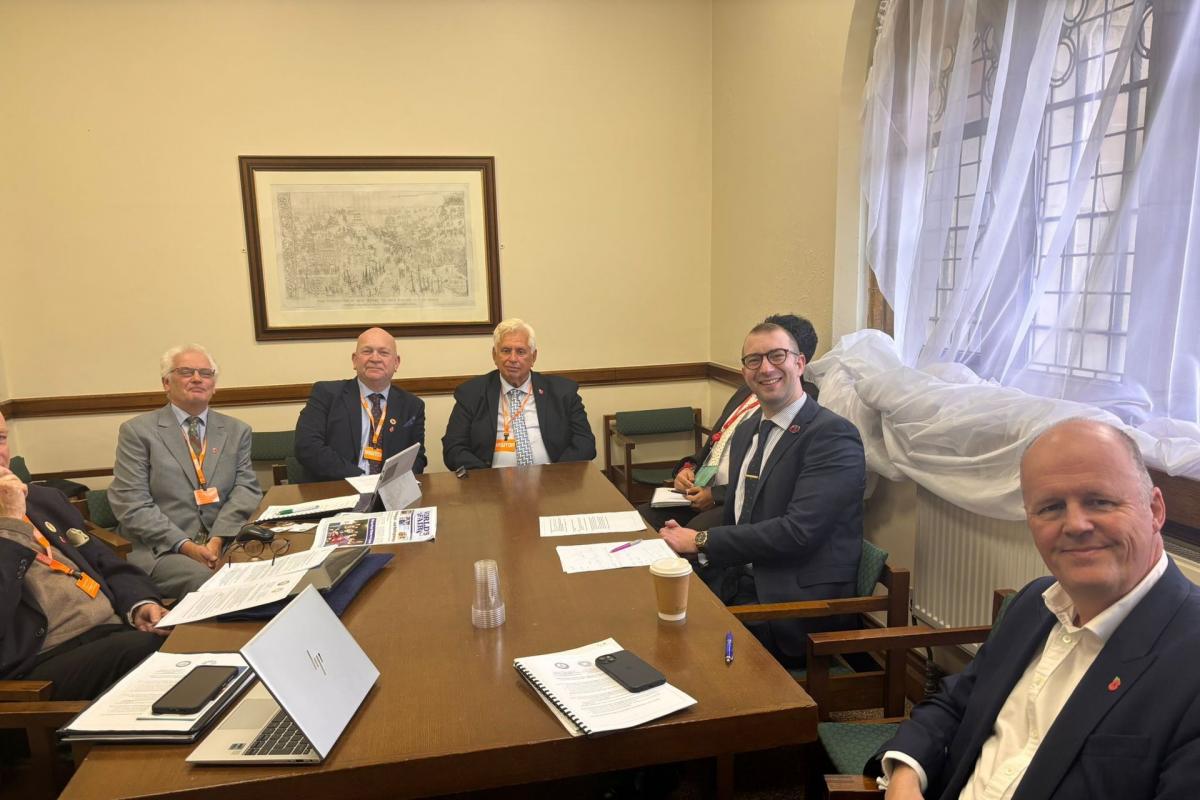
The article discusses the calls made by Swindon North MP Will Stone to ease restrictions on international working visas for travelling fairs and circuses. During an All-Party Parliamentary Group (APPG) meeting, Stone highlighted the importance of the fairground and circus industries, which are part of Britain’s living heritage. The meeting also addressed the need to ease ‘CoS’ Sponsorship Licence barriers, clarify planning opportunities and challenges for Showmen’s Yards, and address escalating land rental costs imposed by local authorities on event organizers. Stone emphasized the need to recognize the circus industry within the Cultural Heritage Capital framework.
Key Points:
Actionable Takeaways:
Easing Visa Restrictions for Travelling Fairs and Circuses: This move could significantly boost the fairground and circus industries, which are integral to Britain’s cultural heritage. By facilitating easier visa processes, these industries can attract more international talent, leading to enhanced performances and experiences for audiences. This could also stimulate economic growth by increasing tourism and local business opportunities in areas hosting these events.
Addressing Sponsorship Licence Barriers: Simplifying the ‘CoS’ Sponsorship Licence process can reduce operational challenges for fairground and circus organizers. Streamlining this process would make it easier for these industries to comply with regulations, allowing them to focus more on delivering high-quality performances and experiences. This could lead to increased participation in the industry and potentially attract more investors and sponsors.
Contextual Insights:
The article reflects current challenges faced by the fairground and circus industries, particularly in navigating visa restrictions, sponsorship processes, and land rental costs. These issues are critical in maintaining the viability and growth of these industries, which are vital components of Britain’s cultural heritage. The emphasis on integrating the circus industry into the Cultural Heritage Capital framework aligns with broader trends in recognizing and preserving intangible cultural heritage. As the travel industry continues to evolve, with a growing focus on cultural experiences and heritage tourism, the insights from this article underscore the importance of supportive policies and regulatory frameworks. This context is particularly relevant for travel startups and fintech innovations that aim to support niche sectors like cultural tourism, offering potential avenues for investment and innovation in this space.
Read the Complete Article.
Get curated travel AI insights — choose the newsletters that matter to you.
This spot is reserved for brands with a compelling story for the travel trade. They use this space to cut...
Read moreDetailsALTOUR Expands into Thailand, Strengthening Corporate Travel Network Across Southeast Asia BANGKOK, THAILAND (25 March, 2026) – ALTOUR, a leading...
Read moreDetails


Comprehensive Summarization: Wyndham Hotels and Resorts is aggressively expanding its presence in India, targeting 100 hotels by December 2025, with...
Read moreDetails