










No products in the cart.
- Latest
- Trending


Year In Review 2025, Looking Ahead To 2026 | Part 1
Article Summary:
The article explores the psychological phenomenon of time seeming to pass more quickly as we age, backed by scientific reasoning. It explains that each year represents a smaller fraction of our life, making it feel shorter relative to our lifespan. The article also touches on the broader context of travel trends and insights from thought leaders, though specific details about these trends are not provided in the given excerpt.
Key Points:
Actionable Takeaways:
Understanding Time Perception in Travel Planning: Recognizing that time feels shorter as we age can help travelers prioritize experiences and manage expectations for their trips. This insight can be used to tailor travel itineraries that maximize meaningful experiences within limited timeframes.
Leveraging AI Insights for Personalized Travel Experiences: The article’s reference to AI’s explanation of time perception suggests potential for AI applications in travel planning. Travel companies could develop AI-driven tools that adapt travel recommendations based on the traveler’s age and perceived time constraints.
Contextual Insights:
The article’s focus on the psychological aspect of time perception aligns with current trends in travel technology and consumer behavior. As the travel industry continues to evolve, understanding and adapting to the psychological factors influencing travel decisions becomes increasingly important. The integration of AI in travel planning, as hinted in the article, reflects a broader trend towards personalization and data-driven experiences in the sector. This context underscores the importance of staying abreast of technological advancements and psychological insights to remain competitive in the travel industry.
Handling Different Article Types:
The article provided is a concise explanatory piece, likely intended to inform readers about a scientific phenomenon related to time perception. While it does not delve into opinion or feature aspects, its content is directly applicable to understanding current travel trends and consumer psychology. For future articles, whether news blurbs, opinion pieces, or feature articles, the approach will remain consistent: extracting factual information, identifying key points, and deriving actionable insights grounded in the article’s content.
Read the Complete Article.
Get curated travel AI insights — choose the newsletters that matter to you.
ALTOUR Expands into Thailand, Strengthening Corporate Travel Network Across Southeast Asia BANGKOK, THAILAND (25 March, 2026) – ALTOUR, a leading...
Read moreDetails


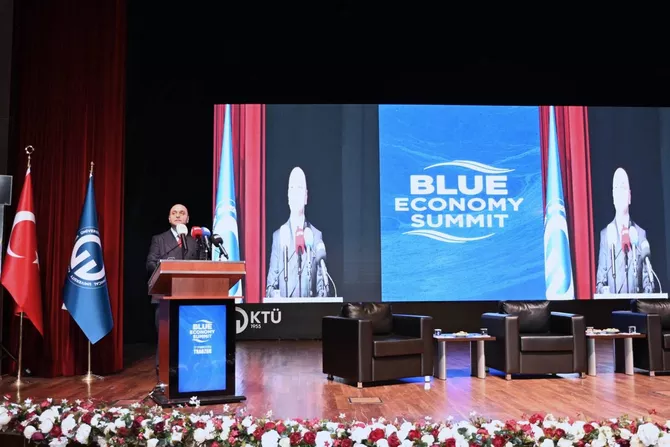
Comprehensive Summarization: The Turkish city of Trabzon recently hosted the inaugural Blue Economy Summit from March 27-29, marking a significant...
Read moreDetails