







No products in the cart.
- Latest
- Trending

DAVID SLOTNICK/THE POINTS GUY
Article Summary:
The article reflects on the tumultuous year of 2025 in air travel, highlighting both the record-breaking activity at U.S. airports and the challenges faced due to economic uncertainty and aviation incidents. Despite a year marked by significant events such as a deadly crash in January and mass delays in Newark in May, consumer spending on travel surged to unprecedented levels, with 8 of the 10 busiest days ever recorded at U.S. airports. This period underscored the resilience and adaptability of the travel industry amidst economic volatility and highlighted the critical role of technology and innovation in navigating future challenges.
Key Points:
Record-Breaking Airport Activity: The year 2025 saw 8 of the 10 busiest days ever at U.S. airports, including an all-time single-day record just after Thanksgiving, indicating a significant uptick in consumer travel spending.
Economic Sentiment and Travel Investment: Despite a roller-coaster year for economic sentiment, consumers continued to invest heavily in travel, demonstrating a strong appetite for air travel even amidst global uncertainties.
Notable Aviation Incidents: The year was marred by several concerning aviation headlines, including a deadly crash in January and mass delays in Newark in May, which brought attention to the need for enhanced safety and operational efficiency in the industry.
Innovations in Travel Tech: The article emphasizes the role of technology in shaping the travel experience, with startups and established companies leveraging advancements to improve efficiency, safety, and customer experience in air travel.
Actionable Takeaways:
Leverage Technology for Enhanced Safety: Given the recent aviation incidents, there is a clear opportunity for travel companies to invest in advanced safety technologies and protocols. This could include AI-driven predictive maintenance, real-time monitoring systems, and enhanced training for aviation personnel. Such innovations not only address safety concerns but also build consumer trust, potentially driving further travel investments.
Focus on Consumer Experience: The surge in travel spending suggests that consumers are willing to invest in travel, provided they have a seamless and enjoyable experience. Companies should prioritize enhancing the customer journey through streamlined booking processes, personalized travel recommendations, and improved in-flight services. This focus on customer experience can differentiate brands in a competitive market and foster loyalty among travelers.
Adapt to Economic Fluctuations: The resilience of consumer spending on travel despite economic uncertainty highlights the importance of flexible pricing strategies and value-added services. Travel companies can adopt dynamic pricing models and offer bundled services (e.g., travel packages, loyalty rewards) to attract price-sensitive travelers while maximizing revenue. This adaptability will be crucial in navigating future economic cycles.
Contextual Insights:
The article’s context is deeply rooted in the current state of the travel industry, characterized by both unprecedented growth and significant challenges. The record-breaking airport activity underscores the pent-up demand for travel post-pandemic, driven by a desire for exploration and a return to normalcy. However, the industry must also grapple with the aftermath of recent aviation incidents, which have reignited concerns about safety and reliability.
In light of these developments, thought leaders emphasize the need for a balanced approach that combines technological innovation with a focus on consumer experience and economic resilience. The integration of AI and data analytics can enhance operational efficiency and safety, while personalized services can cater to the evolving expectations of modern travelers. Moreover, the industry must remain agile, ready to adapt to economic shifts and regulatory changes that could impact travel dynamics.
In summary, the article provides a comprehensive overview of the travel industry’s trajectory in 2025, highlighting key trends, challenges, and opportunities. By focusing on technological advancements, consumer-centric strategies, and economic adaptability, travel companies can position themselves for sustained growth and success in the years ahead.
Read the Complete Article.
Get curated travel AI insights — choose the newsletters that matter to you.
ALTOUR Expands into Thailand, Strengthening Corporate Travel Network Across Southeast Asia BANGKOK, THAILAND (25 March, 2026) – ALTOUR, a leading...
Read moreDetails


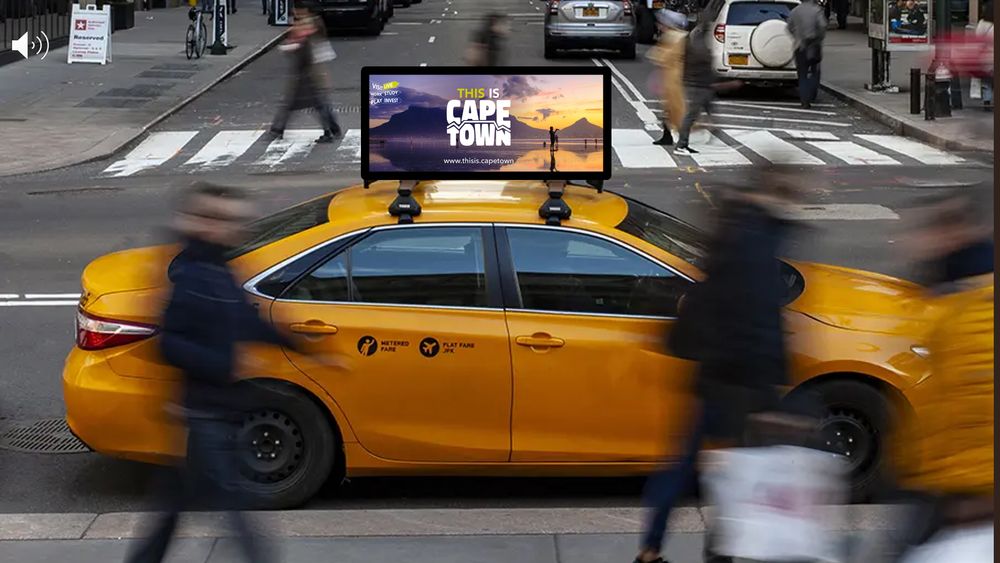
Comprehensive Summarization: The City of Cape Town has expanded its "This Is Cape Town" tourism campaign to major international cities,...
Read moreDetails