







No products in the cart.
- Latest
- Trending


ALL Accor reveals vibe-led experiential travel trends for 2026
Article Summary:
Accor and Globetrender have released a new report titled Experiential Travel Trends 2026, identifying eight trends that will shape experiential travel in the coming year. The report highlights how travelers are increasingly guided by emotions, moods, and shared moments when planning their trips. Key trends include a shift towards “whycation” travel, where the purpose behind travel is prioritized over the destination itself, and a growing emphasis on comfort, familiarity, and personal well-being. The study also notes a rise in family-centric travel, the resurgence of road trips, and the integration of technology to enhance travel experiences. These trends reflect a broader industry shift towards more meaningful, personalized, and emotionally resonant travel experiences.
Key Points:
Shift Towards “Whycation” Travel:
Travelers are prioritizing the reasons behind their trips (e.g., rest, reconnecting, personal growth) over the destinations themselves, marking a significant departure from traditional destination-focused travel.
Emphasis on Comfort and Familiarity:
The report emphasizes that travelers seek comfort and familiarity during their journeys, including bringing everyday routines like favorite meals or pets along, and prioritizing amenities such as comfortable beds and reliable Wi-Fi.
Rise of Family-Centric Travel:
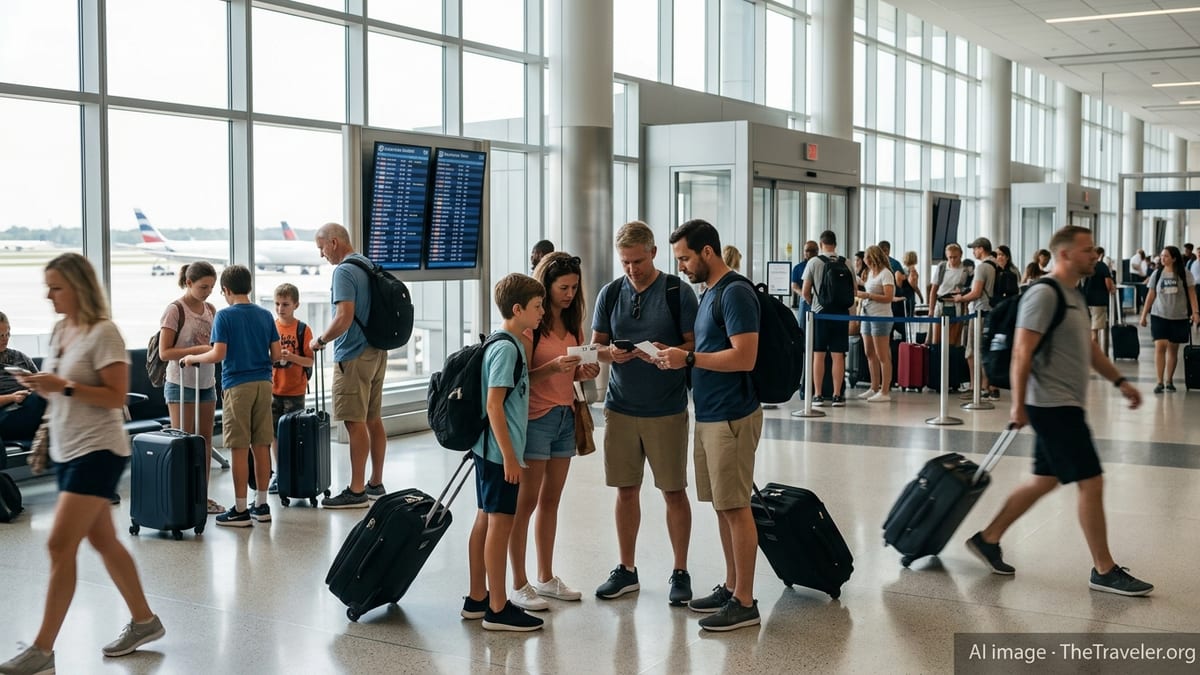
There is a notable increase in multi-generational travel, with families planning trips together, often with children influencing the itinerary and preferences.
Resurgence of Road Trips:
The traditional road trip is making a comeback, with travelers valuing the flexibility and personalization that road trips offer, often incorporating stops at scenic locations and local attractions.
Integration of Technology:
Technology plays a crucial role in enhancing travel experiences, with innovations such as digital check-ins, personalized room settings, and immersive experiences (e.g., streaming shows or games within theme parks) becoming more prevalent.
Focus on Well-being and Mindfulness:
Travelers are increasingly seeking wellness-focused experiences, such as mindfulness activities, spa treatments, and nature-based adventures, to support mental and physical well-being.
Family-Inspired Itineraries:
Family preferences and experiences shape travel plans, with parents and grandparents influencing destinations, activities, and even loyalty program choices.
Nostalgia and Retro Experiences:
There is a growing interest in vintage or retro travel experiences, as travelers seek authentic connections to destinations and a break from algorithm-driven recommendations.
Actionable Takeaways:
Focus on Emotional Storytelling:
Travel brands should emphasize the emotional and personal value of travel experiences, crafting narratives that resonate with travelers’ desires for rest, connection, and personal growth. This aligns with the trend towards “whycation” travel, where the journey’s purpose is as important as the destination.
Enhance Comfort and Familiarity:
Hotels and travel providers should prioritize comfort and familiarity in their offerings, such as offering favorite meals, pet-friendly policies, and reliable technology (e.g., digital check-ins). This aligns with travelers’ demand for comfort as a carry-on item, ensuring a seamless and enjoyable journey.
Promote Family-Centric Itineraries:
Travel companies should develop family-oriented travel packages that cater to diverse age groups, incorporating activities that encourage intergenerational bonding and exploration. This trend reflects the expanded family vacation trend and the desire for shared experiences.
Leverage Technology for Personalization:
Implement advanced technologies such as AI-driven personalization, virtual reality previews of destinations, and interactive travel apps to enhance the travel experience. This aligns with the trend of integrating technology to create immersive and tailored travel experiences.
Offer Wellness and Mindfulness Experiences:
Develop wellness-focused travel packages that include spa treatments, mindfulness workshops, and nature-based activities. This caters to the growing demand for holistic travel experiences that promote mental and physical well-being.
Contextual Insights:
The report’s focus on experiential travel aligns with broader industry trends towards personalization and emotional engagement. Recent events, such as economic uncertainties and a shift towards remote work, have accelerated the demand for meaningful travel experiences that offer respite and personal fulfillment. Technological advancements, such as AI and IoT, are enabling travel providers to offer more personalized and immersive experiences, from digital check-ins to virtual reality previews of destinations. The rise of family-centric travel and road trips reflects a broader societal desire for flexibility and personal connection, even as travel becomes more digitally integrated. Overall, the trends outlined in the report highlight a move towards travel that is not just about reaching a destination, but about creating lasting, emotionally resonant experiences that enrich travelers’ lives.
Read the Complete Article.
Get curated travel AI insights — choose the newsletters that matter to you.
ALTOUR Expands into Thailand, Strengthening Corporate Travel Network Across Southeast Asia BANGKOK, THAILAND (25 March, 2026) – ALTOUR, a leading...
Read moreDetails


Comprehensive Summarization: The article highlights a significant disruption in the travel industry, specifically within the United Arab Emirates (UAE), where...
Read moreDetails