








No products in the cart.
- Latest
- Trending

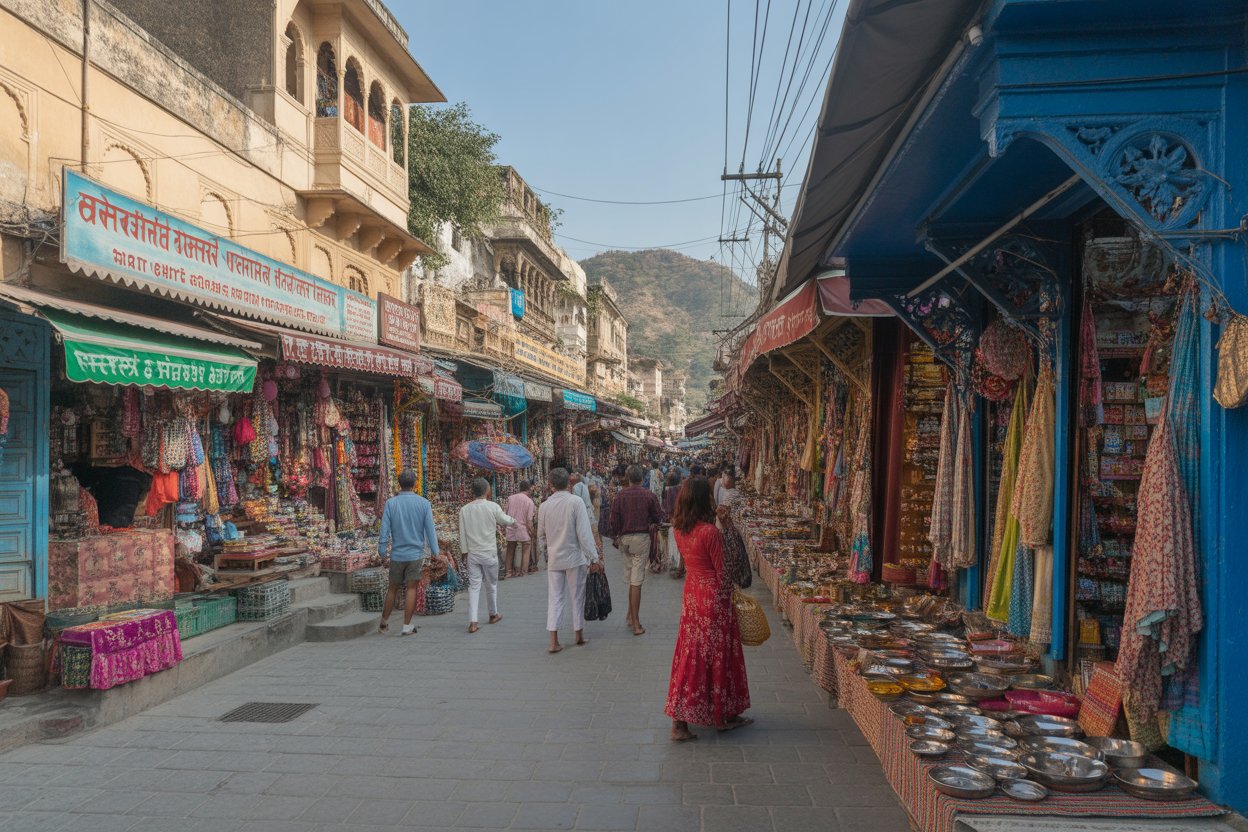
Agoda Unveils 2026 Travel Outlook: Secondary Cities in Asia Are the New Goldmines, Discover Why You ...
Article Summary:
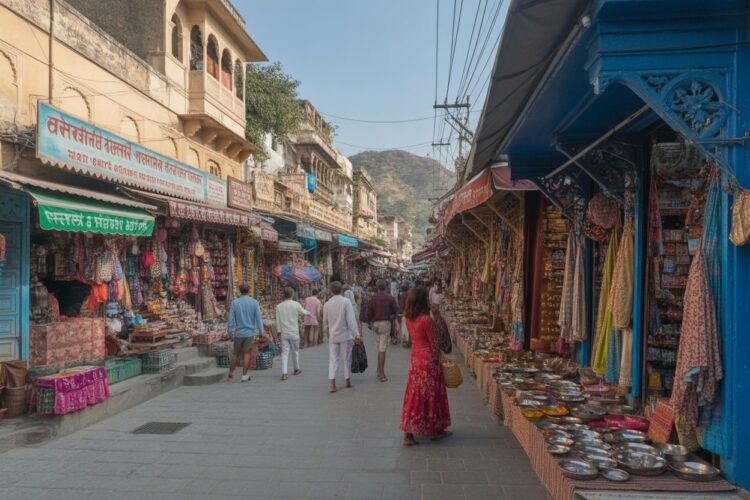
Agoda has unveiled its 2026 Travel Outlook, highlighting secondary cities in Asia as the new “goldmines” for travelers. This shift indicates a significant change in travel preferences, with these lesser-known destinations gaining unprecedented popularity. The report suggests that travelers are increasingly seeking unique experiences outside of traditional tourist hotspots, positioning secondary cities in Asia as key destinations to watch in the coming years.
Key Points:
Shift in Travel Preferences: The travel landscape is moving towards secondary cities in Asia, as highlighted by Agoda’s 2026 Travel Outlook Report. This shift suggests a growing interest in exploring lesser-known destinations over traditional tourist hotspots.
Popularity of Secondary Cities: Agoda’s report reveals a surge in the popularity of these secondary cities, indicating a potential redefinition of travel destinations and a move towards more diverse and unique travel experiences.
Source of Information: The insights are attributed to Tuhin Sarkar, an author at Travel and Tour World, providing a professional perspective on the evolving travel trends.
Actionable Takeaways:
Invest in Secondary Cities: Travel companies and startups should consider expanding their offerings to include secondary cities in Asia. This shift presents an opportunity to tap into a growing market of travelers seeking unique experiences, potentially leading to increased revenue and market share.
Focus on Unique Experiences: There is a clear trend towards travelers seeking unique and off-the-beaten-path experiences. Travel businesses should innovate by offering specialized tours, local cultural experiences, and authentic local stays in these secondary cities to attract this new wave of travelers.
Leverage Technology for Personalization: With the rise of secondary cities, leveraging technology for personalized travel experiences could be crucial. Utilizing data analytics and AI to tailor travel itineraries based on individual preferences can enhance customer satisfaction and loyalty.
Contextual Insights:
The shift towards secondary cities in Asia reflects broader trends in the travel industry, such as the increasing demand for authentic and personalized travel experiences. This trend is supported by thought leaders who emphasize the importance of catering to travelers’ desire for unique and less crowded destinations. The rise of secondary cities also aligns with the growing influence of technology in travel, where data-driven personalization and innovative travel solutions are becoming essential for staying competitive. As secondary cities gain prominence, they also present opportunities for local economies to benefit from increased tourism, fostering sustainable growth in these regions.
Read the Complete Article.
Get curated travel AI insights — choose the newsletters that matter to you.
ALTOUR Expands into Thailand, Strengthening Corporate Travel Network Across Southeast Asia BANGKOK, THAILAND (25 March, 2026) – ALTOUR, a leading...
Read moreDetails


Comprehensive Summarization: Subject, an AI-powered education platform, has announced a significant growth investment led by Vistara Growth, with participation from...
Read moreDetails