




No products in the cart.
- Latest
- Trending


El Paso, Texas is a top travel destination for 2026
Article Summary:
The Faust Hotel in New Braunfels, Texas, is set to reopen as a boutique destination in spring 2026. The hotel, originally established in 1929, will undergo a meticulous renovation to preserve its historical essence while introducing a 45-room boutique experience, a restaurant and bar, refreshed outdoor spaces, and a basement speakeasy. The project is spearheaded by a group of local families committed to revitalizing this iconic landmark.
Key Points:
Actionable Takeaways:
Contextual Insights:
The reopening of the Faust Hotel aligns with current travel industry trends towards experiential and boutique travel experiences. As travelers increasingly seek unique and personalized experiences, hotels that offer distinctive features and a strong historical narrative are likely to attract more visitors. The integration of modern amenities within a historically rich setting reflects a broader industry shift towards blending tradition with innovation. This trend is supported by thought leaders who emphasize the importance of storytelling and authenticity in travel marketing. Furthermore, the community-driven aspect of the hotel’s redevelopment underscores the growing recognition of the value of local involvement in tourism development, which can enhance community engagement and contribute to more sustainable tourism practices.
Read the Complete Article.
Get curated travel AI insights — choose the newsletters that matter to you.
ALTOUR Expands into Thailand, Strengthening Corporate Travel Network Across Southeast Asia BANGKOK, THAILAND (25 March, 2026) – ALTOUR, a leading...
Read moreDetails


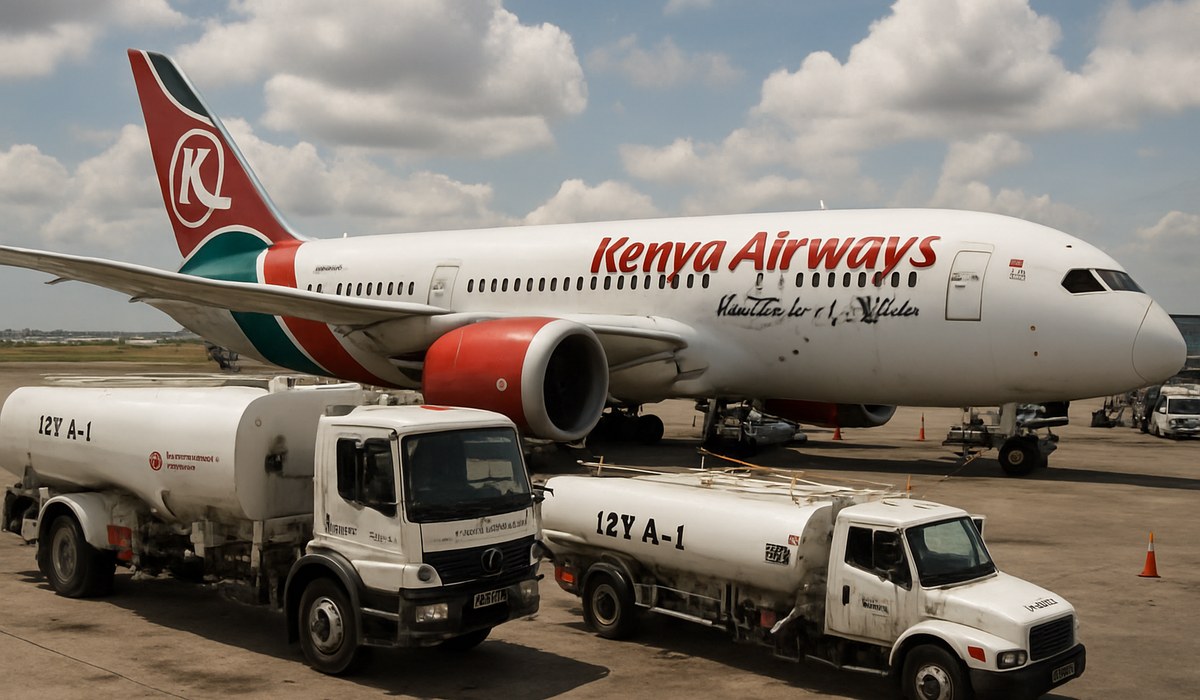
Comprehensive Summarization: Kenya Airways has issued an urgent warning regarding depleted jet fuel reserves at Nairobi's Jomo Kenyatta International Airport....
Read moreDetails