
No products in the cart.
- Latest
- Trending

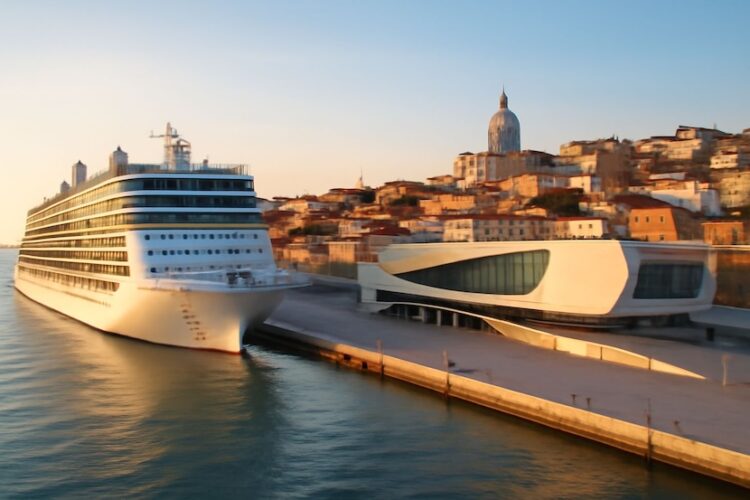
Discover How European River Cruising Trends 2025 Are Transforming Travel with Modern Ships, Local Cu...
Article Summary:
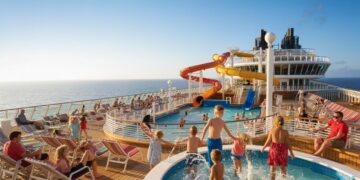
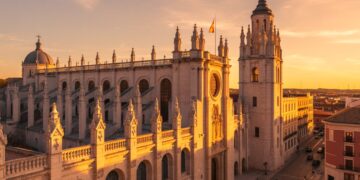
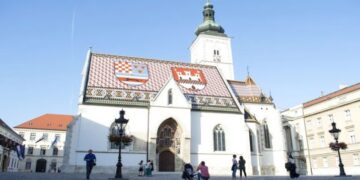
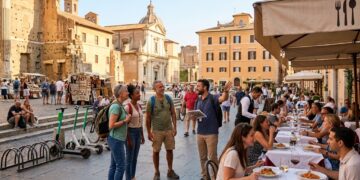
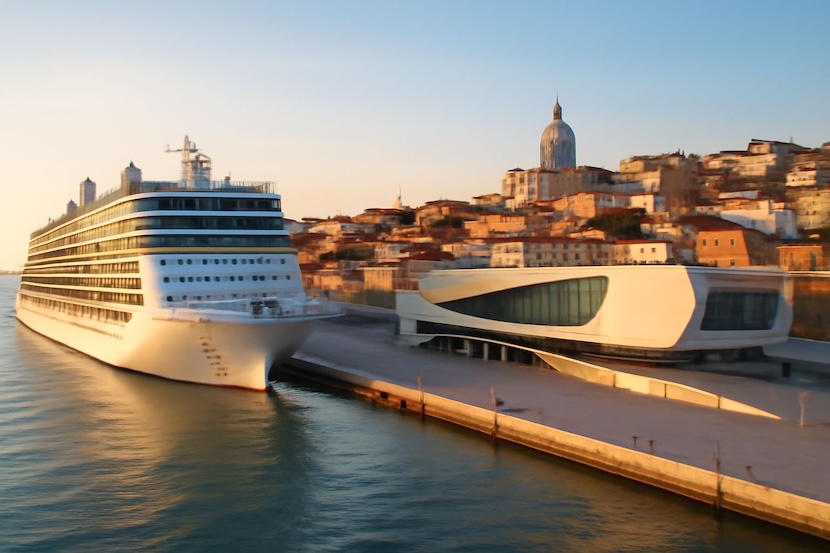
European river cruising is undergoing a significant transformation in 2025, moving away from its traditional dominance by a few established operators to a more diverse landscape. This shift is characterized by the entry of new cruise brands, offering travelers a wider array of choices. The modern ships introduced in this new phase are designed to provide richer cultural experiences across Europe’s most scenic waterways. Published on December 18, 2025, this development signifies a broader trend towards more personalized and culturally immersive travel experiences in the European river cruising sector.
Key Points:
Actionable Takeaways:
Contextual Insights:
The transformation in European river cruising reflects broader trends in the travel industry, such as the growing demand for personalized and culturally rich experiences. Recent events, such as the increasing focus on sustainability and the desire for unique travel experiences, have driven this shift. Thought leaders in the travel sector have noted that travelers are increasingly seeking journeys that offer more than just transportation; they want destinations that educate, inspire, and connect them with local cultures. This article aligns with these insights by highlighting how modern river cruises are capitalizing on these trends by offering modern amenities, cultural enrichment, and a more diverse range of options for travelers. The integration of technological advancements in ship design further underscores the industry’s commitment to innovation, ensuring that river cruising remains a competitive and appealing choice for modern travelers.
Read the Complete Article.
Get curated travel AI insights — choose the newsletters that matter to you.
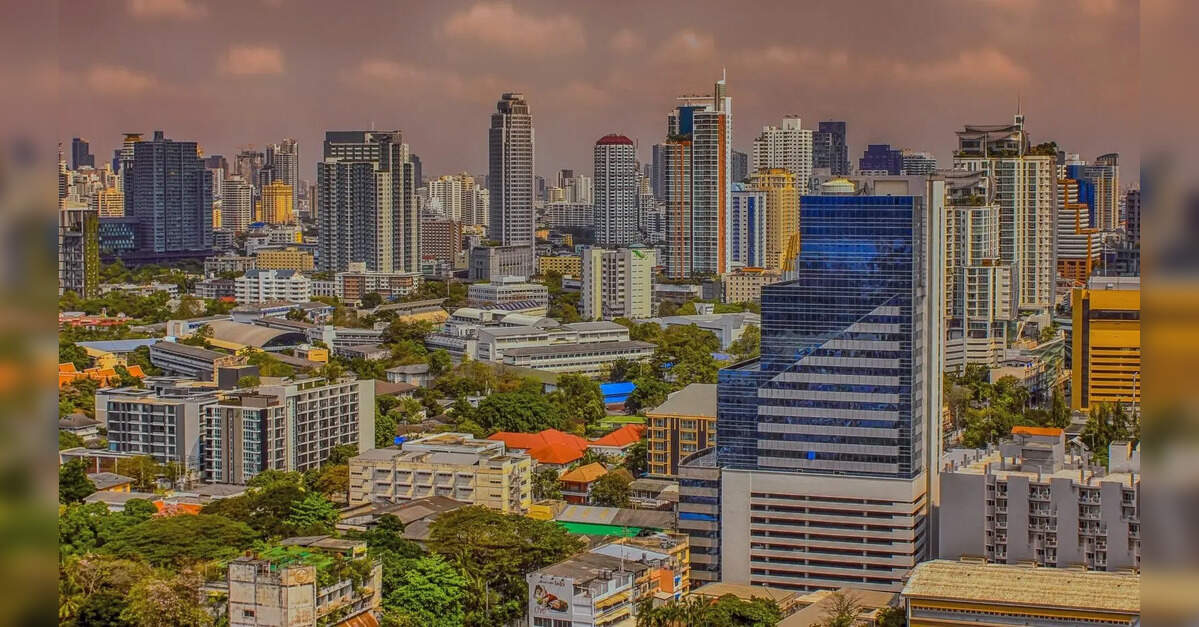
ALTOUR Expands into Thailand, Strengthening Corporate Travel Network Across Southeast Asia BANGKOK, THAILAND (25 March, 2026) – ALTOUR, a leading...
Read moreDetails


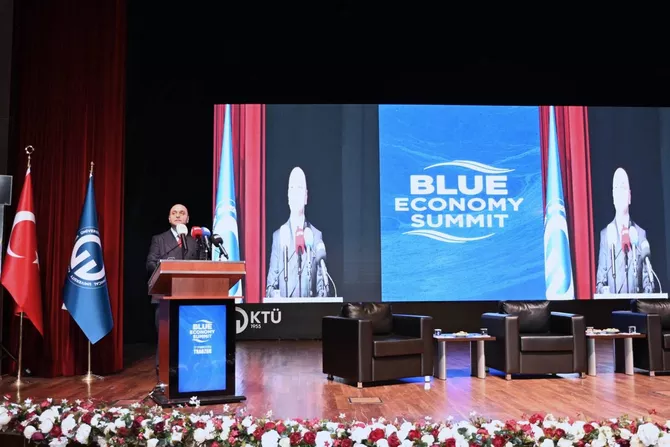
Comprehensive Summarization: The Turkish city of Trabzon recently hosted the inaugural Blue Economy Summit from March 27-29, marking a significant...
Read moreDetails