





No products in the cart.
- Latest
- Trending


European Travelers Reconsidering US Trips for World Cup 2026 Amid Rising Costs and Uncertainty
Comprehensive Summarization:
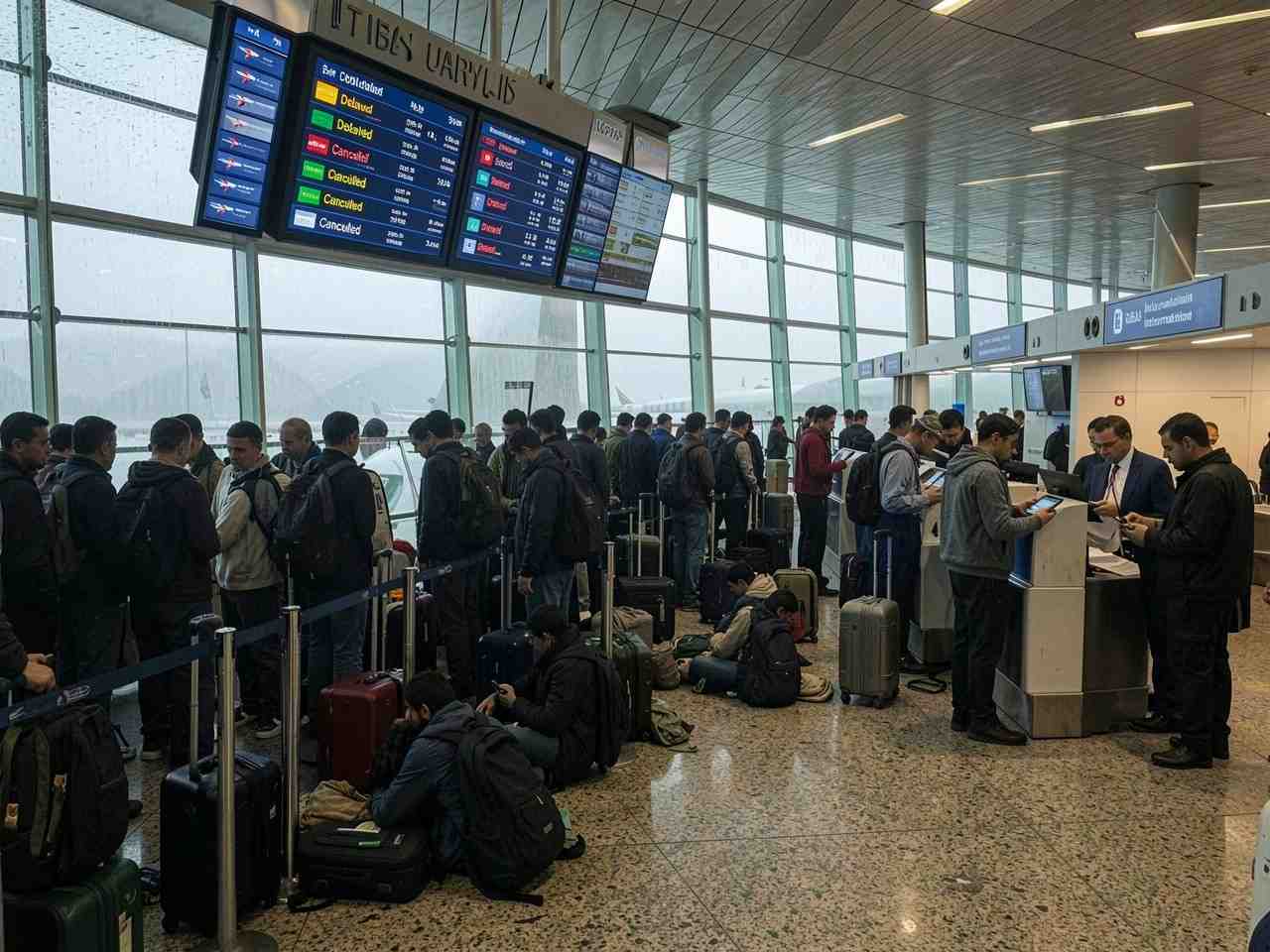
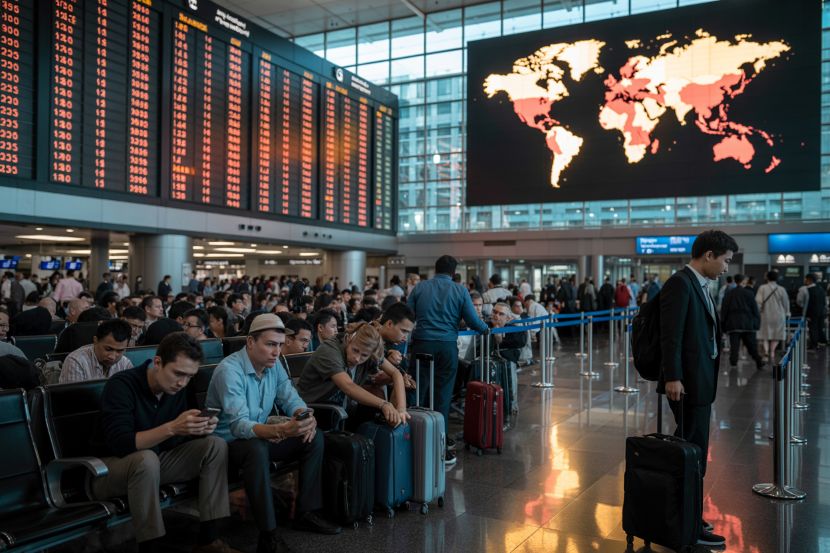
The article highlights a significant decline in European travel to the United States ahead of the 2026 FIFA World Cup, despite the event being a major draw for global visitors. Early flight booking data indicates fewer Europeans are planning to visit the U.S. during the tournament. This shift is attributed to rising costs and uncertainties surrounding the event, reflecting a broader trend of cautious travel behavior in response to economic factors and logistical concerns. The context underscores the challenges faced by the travel industry in maintaining momentum for large-scale international events, particularly when faced with economic pressures and uncertainty.
Key Points:
Actionable Takeaways:
Cost Management and Pricing Strategies: Travel providers should focus on cost management and innovative pricing strategies to attract European travelers. Offering competitive pricing and value-added services could help mitigate the impact of rising costs on travel decisions.
Uncertainty Mitigation: Travel agencies and tour operators should proactively address uncertainties by providing clear communication and flexible booking options. This could include offering refundable or changeable ticket policies to alleviate concerns over event-related uncertainties.
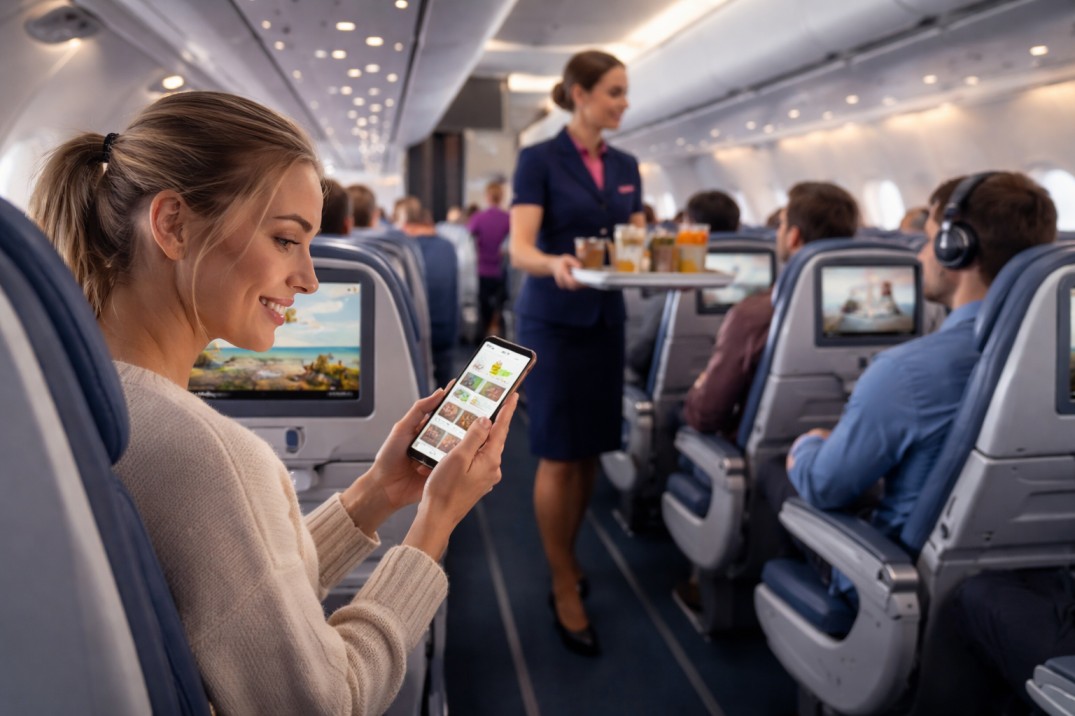
Leveraging Digital Tools for Engagement: Utilizing digital tools and platforms for real-time engagement and personalized travel planning can enhance customer experience. Implementing AI-driven recommendations and virtual tour experiences can help maintain interest and drive bookings despite economic uncertainties.
Contextual Insights:
The decline in European travel to the U.S. for the 2026 FIFA World Cup highlights the delicate balance that the travel industry must maintain between excitement for major events and practical considerations such as cost and logistical uncertainties. This trend is indicative of a larger shift towards cautious consumer behavior in response to economic pressures. For the travel industry, this underscores the importance of adaptability and innovation in maintaining consumer interest and ensuring sustained growth. The article also points to the potential for digital transformation in travel, suggesting that leveraging technology to enhance customer engagement and flexibility could be a key strategy for future success. As the industry navigates these challenges, staying attuned to emerging trends and expert insights will be crucial in shaping effective strategies.
Read the Complete Article.
Get curated travel AI insights — choose the newsletters that matter to you.
This spot is reserved for brands with a compelling story for the travel trade. They use this space to cut...
Read moreDetailsALTOUR Expands into Thailand, Strengthening Corporate Travel Network Across Southeast Asia BANGKOK, THAILAND (25 March, 2026) – ALTOUR, a leading...
Read moreDetails


Comprehensive Summarization: The article highlights the significant impact of geopolitical tensions involving the United States, Israel, and Iran on the...
Read moreDetails