







No products in the cart.
- Latest
- Trending


Rail Travel, Small Groups, and Nature Retreats Drive Tourism Revival in 2025
Article Summary:
In 2025, the tourism industry is undergoing a significant transformation, driven by a growing preference for slow travel, immersive experiences, and eco-friendly options. This shift reflects a broader movement towards more thoughtful and sustainable travel practices, responding to changing consumer demands and aiming to reduce the negative impacts of mass tourism. The article highlights the resurgence of rail travel, small group tours, and nature retreats as key contributors to this tourism revival, emphasizing the industry’s shift towards more sustainable and enriching travel experiences.
Key Points:
Shift Towards Slow Travel and Eco-Friendly Options:
The article underscores a notable shift in consumer preferences, with a growing demand for slow travel and eco-friendly travel options. This trend is indicative of a broader industry movement towards sustainability and responsible tourism.
Resurgence of Rail Travel:
Rail travel is experiencing a resurgence, becoming a popular choice among travelers seeking a more sustainable and immersive travel experience. This trend is attributed to the perceived benefits of rail travel, including reduced carbon footprints and the opportunity for scenic journeys.
Emphasis on Small Group Tours and Nature Retreats:
There is a notable increase in the popularity of small group tours and nature retreats. These experiences offer travelers the chance to engage more deeply with their destinations, fostering a sense of community and connection with nature, which aligns with the broader trend of seeking meaningful and authentic travel experiences.
Industry’s Response to Changing Consumer Preferences:
The article highlights the industry’s response to changing consumer preferences, with travel providers increasingly offering slow travel options, eco-friendly accommodations, and immersive experiences. This shift reflects a broader industry adaptation to meet the demands of a more discerning and environmentally conscious traveler.
Actionable Takeaways:
Embrace Slow Travel and Eco-Friendly Practices:
Travel businesses should consider integrating slow travel options and eco-friendly practices into their offerings. This could include promoting rail travel, offering sustainable accommodations, and developing itineraries that emphasize immersive, nature-based experiences. This approach not only aligns with current consumer preferences but also positions businesses as leaders in sustainable tourism.
Leverage Small Group Tours for Enhanced Experiences:
Small group tours offer a unique opportunity to provide personalized, enriching travel experiences. Travel companies should explore the development of small group tours, particularly those focused on nature and cultural immersion. This strategy can help attract travelers seeking authentic and meaningful experiences, fostering customer loyalty and differentiating businesses in a competitive market.
Invest in Technology for Enhanced Travel Experiences:
The article hints at the potential of technology to enhance travel experiences. Travel businesses should invest in innovative travel tech solutions, such as mobile apps for itinerary planning, real-time booking systems, and eco-friendly travel platforms. These technologies can streamline operations, improve customer engagement, and enhance the overall travel experience, making it more appealing to modern, tech-savvy travelers.
Contextual Insights:
The resurgence of rail travel, small group tours, and nature retreats in 2025 is a clear indication of the travel industry’s evolving landscape. This shift is driven by a growing awareness of environmental issues and a desire for more authentic, sustainable travel experiences. The industry’s response to these changing preferences is crucial for maintaining relevance and attracting a diverse range of travelers. By embracing slow travel, eco-friendly practices, and immersive experiences, travel businesses can not only meet the current demands of the market but also position themselves as pioneers in the future of sustainable tourism.
The integration of technology in travel planning and operations is also a key trend highlighted in the article. As consumers increasingly seek convenience and personalized experiences, travel businesses must leverage technology to enhance their offerings. This includes developing user-friendly mobile apps, implementing real-time booking systems, and utilizing data analytics to tailor travel experiences to individual preferences. By embracing these technological advancements, businesses can improve operational efficiency, enhance customer satisfaction, and stay ahead of industry trends.
In conclusion, the article provides valuable insights into the current state of the travel industry, emphasizing the importance of sustainability, authenticity, and technological innovation. By adopting these strategies, travel businesses can not only meet the evolving needs of modern travelers but also contribute to a more sustainable and enriching future for the industry.
Read the Complete Article.
Get curated travel AI insights — choose the newsletters that matter to you.
ALTOUR Expands into Thailand, Strengthening Corporate Travel Network Across Southeast Asia BANGKOK, THAILAND (25 March, 2026) – ALTOUR, a leading...
Read moreDetails


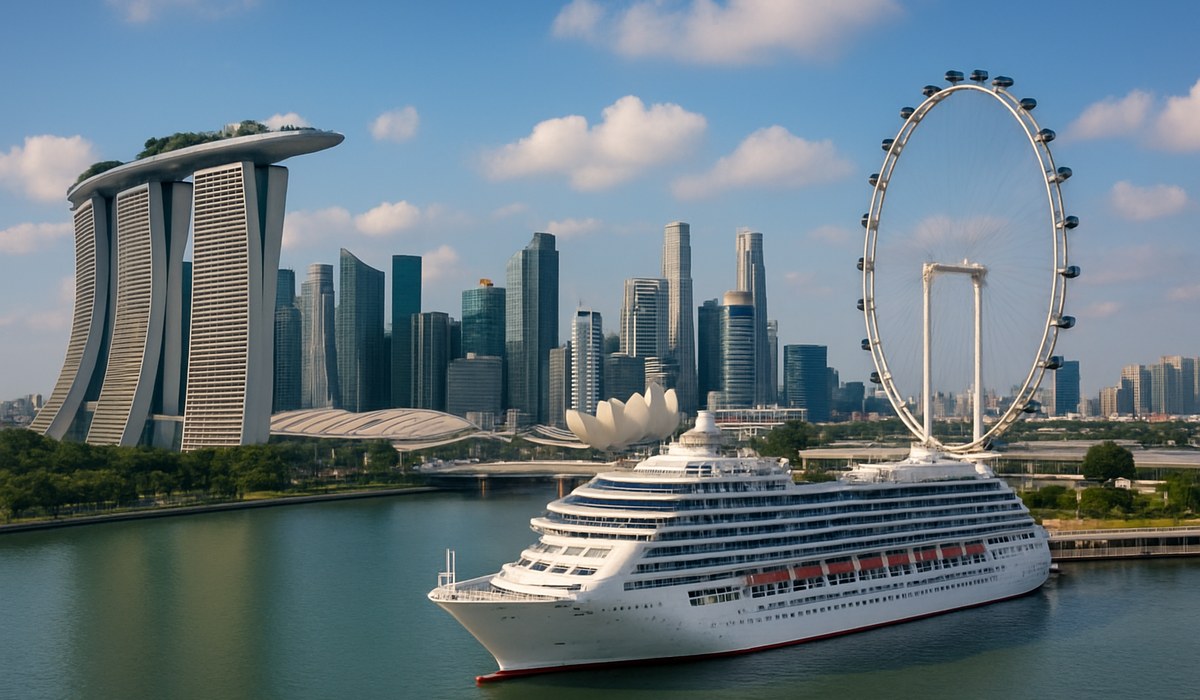
Comprehensive Summarization: Singapore's strategic development of an integrated MICE-cruise tourism strategy has positioned it as Southeast Asia's fastest-growing dual-purpose tourism...
Read moreDetails