








No products in the cart.
- Latest
- Trending

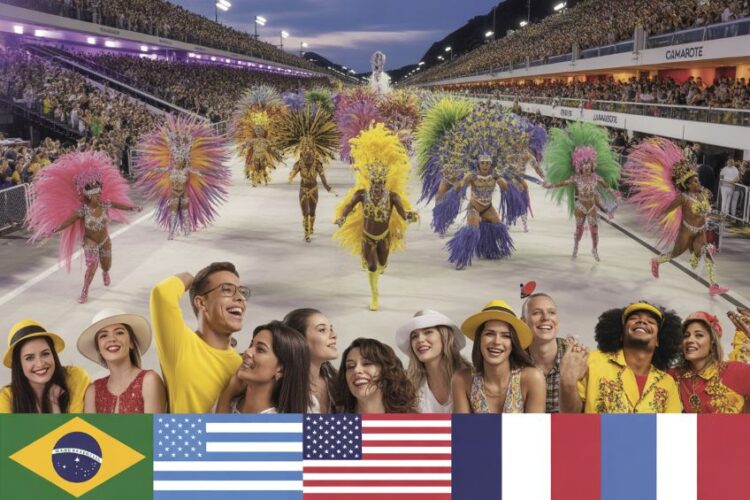
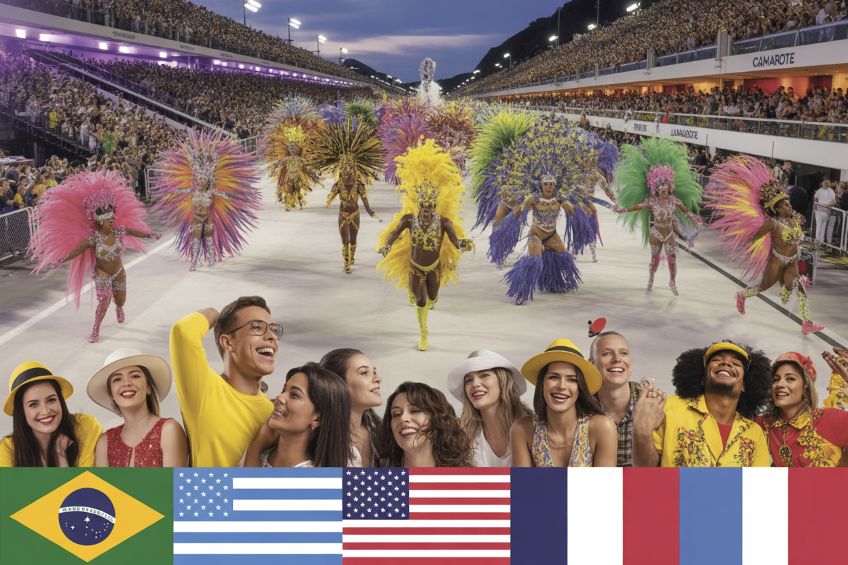
The Rio Carnival 2026 Travel Trends: Argentina Unites With Chile, United States To Lead the Way in a...
Article Summary:
The Rio Carnival 2026 is set to revolutionize the travel experience by integrating a participatory model, uniting Argentina, Chile, and the United States with Brazil. Scheduled from February 13 to 21, the event will transform the Sambadrome in Rio, Brazil, into a global stage where spectators become active participants. This shift marks a significant departure from traditional spectator models, emphasizing engagement and interaction among attendees from around the world.
Key Points:
Participatory Model Introduction: The Rio Carnival 2026 introduces a participatory model, where attendees from Argentina, Chile, and the United States will actively engage in the festivities, marking a departure from traditional spectator roles.
Global Collaboration: The collaboration between Brazil, Argentina, Chile, and the United States signifies a united effort to redefine the carnival experience, leveraging cultural and technological synergies to create a unique travel experience.
Historic Sambadrome Venue: The Sambadrome in Rio, Brazil, serves as the focal point for this transformative event, hosting not just spectators but participants in a “Participatory Pilgrimage” revolution.
Actionable Takeaways:
Embrace Participatory Travel Models: Travel companies and event organizers should consider adopting participatory models for future events, enhancing attendee engagement and creating memorable experiences. This shift could redefine how travel experiences are marketed and delivered, focusing on active participation rather than passive observation.
Leverage Global Collaborations: The article highlights a successful collaboration between multiple countries. Travel industry stakeholders can explore similar partnerships to combine cultural richness, logistical efficiencies, and innovative ideas, potentially leading to more comprehensive and appealing travel packages.
Invest in Technological Integration: The integration of technology in transforming spectatorship into participation suggests a trend towards tech-driven travel experiences. Companies should invest in technologies that facilitate interaction, such as augmented reality (AR), virtual reality (VR), and interactive apps, to enhance the travel experience and meet evolving consumer expectations.
Contextual Insights:
The Rio Carnival 2026 represents a significant shift in travel trends, emphasizing participatory experiences over traditional spectatorship. This move aligns with broader industry trends towards immersive and interactive travel experiences, driven by technological advancements and changing consumer preferences. The collaboration between Brazil, Argentina, Chile, and the United States underscores a growing trend of global partnerships in the travel sector, aimed at creating unique, culturally rich experiences that transcend geographical boundaries.
The article also reflects the increasing importance of technology in shaping travel experiences. As travel becomes more about participation and engagement, the role of technology in facilitating these interactions becomes crucial. Innovations in AR, VR, and interactive platforms are likely to play a pivotal role in enhancing the participatory aspects of travel events, making them more accessible and engaging for a global audience.
In summary, the Rio Carnival 2026 serves as a pioneering example of how travel experiences can evolve to be more participatory and globally collaborative. For industry stakeholders, this presents both opportunities and challenges, particularly in adopting new models, leveraging global partnerships, and integrating advanced technologies to meet the expectations of modern travelers.
Read the Complete Article.
Get curated travel AI insights — choose the newsletters that matter to you.
ALTOUR Expands into Thailand, Strengthening Corporate Travel Network Across Southeast Asia BANGKOK, THAILAND (25 March, 2026) – ALTOUR, a leading...
Read moreDetails


Comprehensive Summarization: Marriott Bonvoy has entered into a strategic partnership with Ethiopian Airlines, effective March 27, 2026, to establish a...
Read moreDetails