






No products in the cart.
- Latest
- Trending

Why Wildlife Travel is Surging in 2026: Americans Embrace Nature and Adventure Over Traditional Thri...
Comprehensive Summarization:
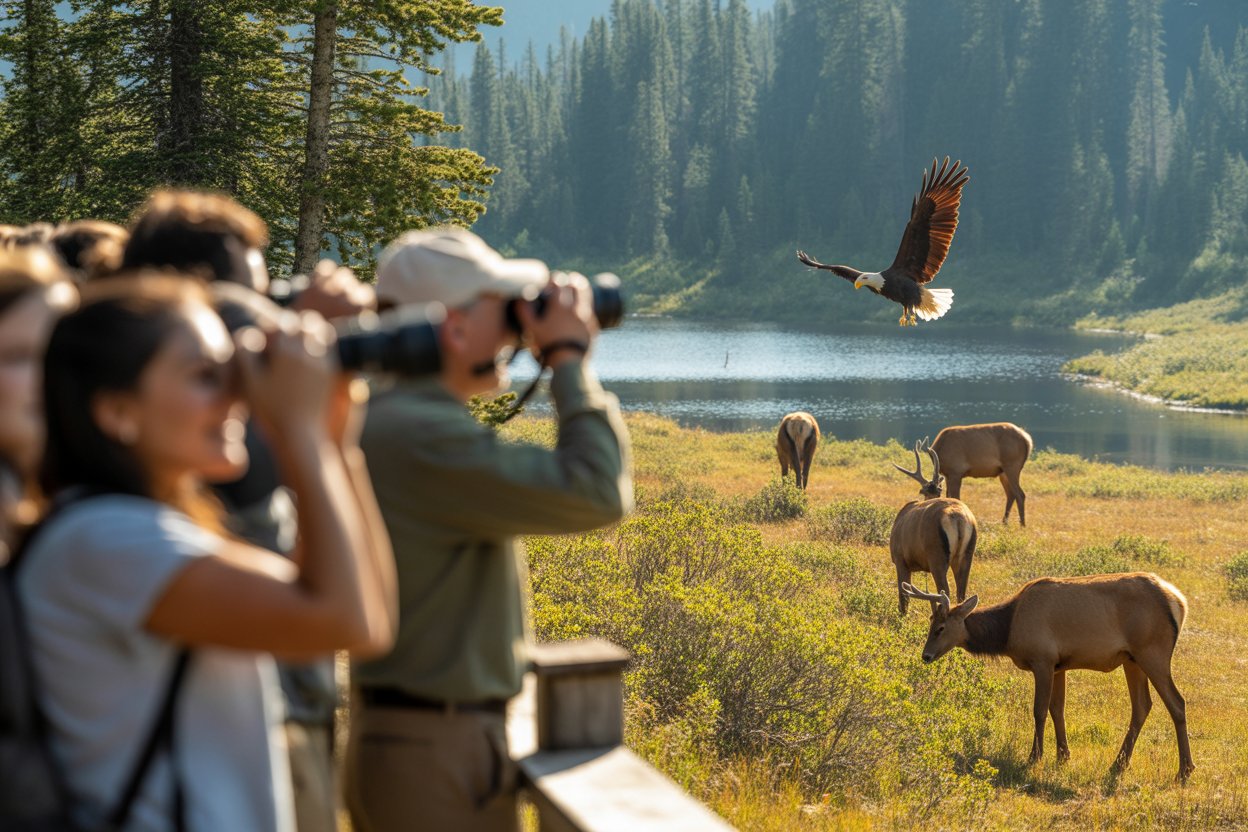
In 2026, there is a notable surge in wildlife and nature-based travel among American tourists, marking a significant shift from traditional vacation trends. This trend is driven by a desire for authentic encounters with nature, moving away from commercialized experiences like theme parks and thrill rides. The article highlights popular destinations such as whale-watching in Alaska, reflecting a broader trend of travelers seeking immersive, nature-focused experiences. This shift is indicative of a larger change in consumer preferences within the travel industry, emphasizing authenticity and connection with natural environments over traditional forms of entertainment.
Key Points:
Rise in Wildlife and Nature-Based Travel: There is a marked increase in popularity of wildlife and nature-based travel among American tourists in 2026, indicating a departure from conventional vacation trends.
Preference for Authentic Experiences: Travelers are increasingly opting for authentic encounters with nature, such as whale-watching in Alaska, over traditional thrill rides and commercialized experiences.
Shift in Consumer Preferences: The trend reflects a broader change in consumer preferences within the travel industry, with a growing demand for immersive, nature-focused experiences that offer a deeper connection with natural environments.
Actionable Takeaways:
Focus on Nature-Based Experiences: Travel companies should prioritize developing and promoting nature-based travel experiences to capitalize on the growing demand. This could involve enhancing offerings in destinations like Alaska or exploring new locations with rich wildlife and natural attractions.
Invest in Sustainable Tourism Practices: Given the shift towards nature-based travel, there is an opportunity for travel companies to invest in sustainable tourism practices. This includes eco-friendly accommodations, conservation efforts, and responsible wildlife viewing, which align with the preferences of modern travelers seeking authentic and environmentally conscious experiences.
Leverage Technology for Enhanced Experiences: Utilize travel technology to offer personalized and immersive nature-based experiences. This could include virtual reality previews of destinations, mobile apps for real-time wildlife tracking, and interactive platforms that connect travelers with local conservation efforts, thereby enhancing the overall travel experience and meeting the expectations of tech-savvy consumers.
Contextual Insights:
The surge in wildlife and nature-based travel in 2026 is reflective of a broader industry trend towards authenticity and sustainability. Recent events and market conditions have underscored the importance of offering unique, immersive experiences that resonate with modern travelers’ values. The rise of wildlife travel aligns with the growing emphasis on eco-tourism and responsible travel practices, as highlighted by thought leaders in the industry. This shift presents a significant opportunity for travel startups and fintech innovators to develop solutions that cater to this new demand, such as platforms that facilitate booking of nature-based tours or fintech tools that support sustainable travel investments. By aligning with these trends, companies can not only meet the evolving preferences of their customers but also contribute positively to conservation efforts and environmental sustainability.
Read the Complete Article.
Get curated travel AI insights — choose the newsletters that matter to you.
This spot is reserved for brands with a compelling story for the travel trade. They use this space to cut...
Read moreDetailsALTOUR Expands into Thailand, Strengthening Corporate Travel Network Across Southeast Asia BANGKOK, THAILAND (25 March, 2026) – ALTOUR, a leading...
Read moreDetails


Comprehensive Summarization: The article "Global Travel Revolution 2026: How AI Travel Planning is Redefining Smarter, Safer and More Personalised Trips...
Read moreDetails