



No products in the cart.
- Latest
- Trending

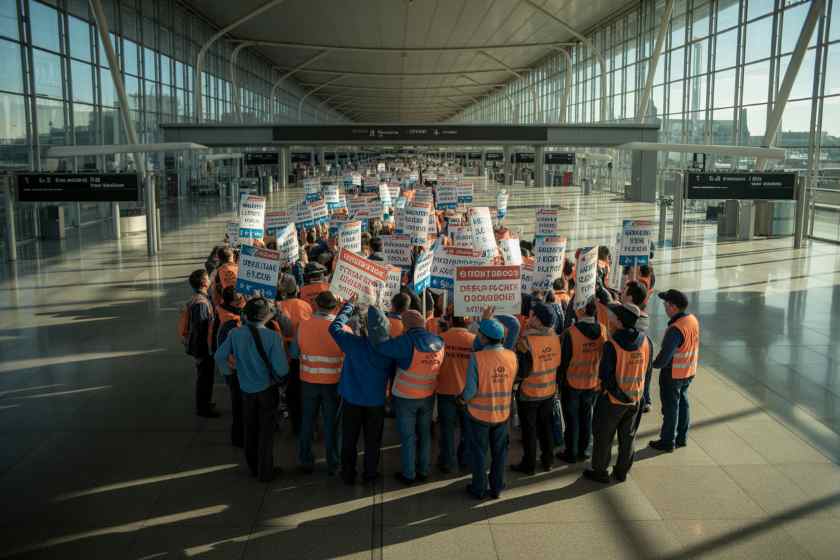
A recent strike by Air Canada’s flight attendants, represented by the Canadian Union of Public Employees (CUPE), has resulted in substantial financial repercussions for the airline, even as the union emphasizes the necessity of increased compensation. This labor dispute highlights the delicate balance between operational stability and employee well-being in the competitive airline industry.
The strike, which impacted thousands of passengers and disrupted numerous flights, was primarily fueled by demands for higher wages and improved working conditions. CUPE has consistently argued that current compensation packages do not adequately reflect the demands of the flight attendant role and have not kept pace with inflation. The union’s stance is that a fair wage increase is not merely a perk, but a fundamental requirement for retaining and motivating a skilled workforce.
For Air Canada, the strike translated into immediate and escalating costs. Beyond the direct expenses associated with flight cancellations and rebookings, the airline faced significant indirect losses. These include damage to its brand reputation, the potential loss of future bookings due to passenger dissatisfaction, and the administrative burden of managing the widespread disruption. The need to implement contingency plans, including the use of reserve staff and the negotiation of the eventual settlement, also added to the financial strain.
The resolution of the strike involved concessions from both sides, as is typical in such negotiations. While the specific details of the agreement are crucial for understanding the long-term impact, the immediate takeaway is that Air Canada has agreed to revised terms that likely include an increase in pay and potentially other benefits for its flight attendants. The union’s success in securing these improvements underscores the leverage that organized labor can wield, particularly when essential services are disrupted.
However, the economic realities of the airline industry mean that such agreements come with a price. Air Canada must now absorb the increased labor costs into its operational budget. This could influence future pricing strategies, investment decisions, and profitability. The airline’s ability to manage these elevated costs while remaining competitive will be a key challenge in the coming months and years.
The FA strike serves as a potent reminder of the complex interplay between labor relations and business sustainability. For travel industry professionals, understanding the financial drivers behind such disputes and their potential impact on service delivery and customer experience is paramount. The ultimate cost of the strike is not solely measured in dollars and cents but also in the ongoing effort to foster a productive and equitable relationship between management and its frontline employees.
Key Points
Read the Complete Article.
Get curated travel AI insights — choose the newsletters that matter to you.
This spot is reserved for brands with a compelling story for the travel trade. They use this space to cut...
Read moreDetailsTravel One Technologies launches the world’s first Traveler DNA Platform, targeting the structural data gap at the core of an...
Read moreDetails