








No products in the cart.
- Latest
- Trending


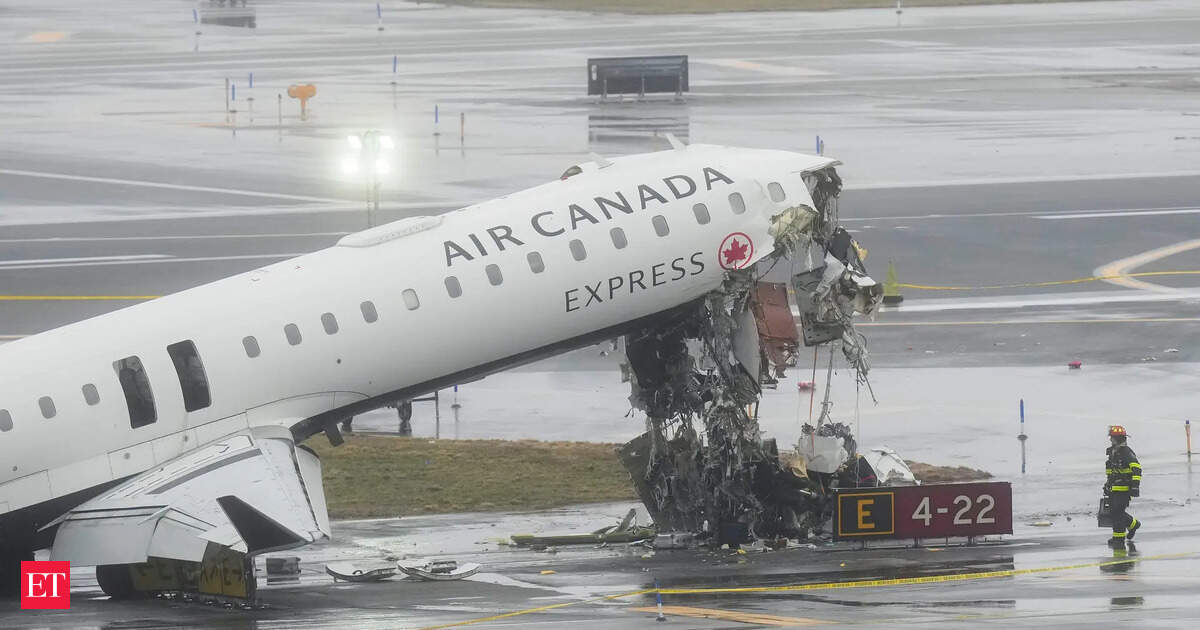
A traveller walks past striking Air Canada flight attendants at Vancouver International Airport in Richmond, B.C., Saturday, Aug. 16, 2025. (Ethan Cairns/The Canadian Press)
Ever wondered why your flight ticket often comes with a seemingly arbitrary add-on? You’re not alone. Many travelers are perplexed by the extra charges that inflate the final price of their airfare, with "ground pay" being a particularly common and often confusing term. This article dives into what this fee truly represents and why it’s becoming an increasingly prevalent part of air travel costs.
Essentially, "ground pay" is an umbrella term used by airlines to cover a range of operational costs incurred on the ground before and after your flight. It’s not a single, universally defined fee, but rather a way for airlines to recoup expenses related to the intricate logistics of getting an aircraft and its passengers from departure to arrival. Think of it as the backstage crew’s payment for making the show happen.
These costs can encompass a surprisingly diverse set of expenses. For starters, it includes aircraft maintenance, both routine checks and more extensive repairs, ensuring your plane is airworthy and safe. Ground crew salaries and training are also a significant component. This covers everyone from baggage handlers and aircraft mechanics to gate agents and customer service representatives who manage the passenger experience on the tarmac and within the terminal.
Furthermore, "ground pay" often accounts for the costs associated with ground handling services. This includes the fueling of the aircraft, the towing of planes to and from gates, the provision of essential ground support equipment, and even the cleaning and provisioning of the aircraft with supplies like food and beverages. The fees charged by airports for using their facilities, such as gates, runways, and terminal space, are also frequently bundled into these charges.
The rise of "ground pay" reflects a broader industry trend towards unbundling services and being more transparent about the various costs associated with air travel. While it might seem like an added burden, airlines argue that it allows them to better manage their finances and offer more competitive base fares. By itemizing these expenses, they can potentially provide travelers with more control over what they pay for, though the opaque nature of "ground pay" often makes this difficult in practice.
For travelers, understanding "ground pay" is crucial for budgeting and comparing flight options. It highlights that the advertised base fare is rarely the final price. When researching flights, it’s always advisable to look at the total cost, including all taxes and fees, to get an accurate picture. While the term itself might remain somewhat elusive, recognizing that it represents the vital, behind-the-scenes operations that make your journey possible can demystify this common airline charge.
Read the Complete Article.
Get curated travel AI insights — choose the newsletters that matter to you.
This spot is reserved for brands with a compelling story for the travel trade. They use this space to cut...
Read moreDetailsTravel One Technologies launches the world’s first Traveler DNA Platform, targeting the structural data gap at the core of an...
Read moreDetails