




No products in the cart.
- Latest
- Trending


(CBC Archives)
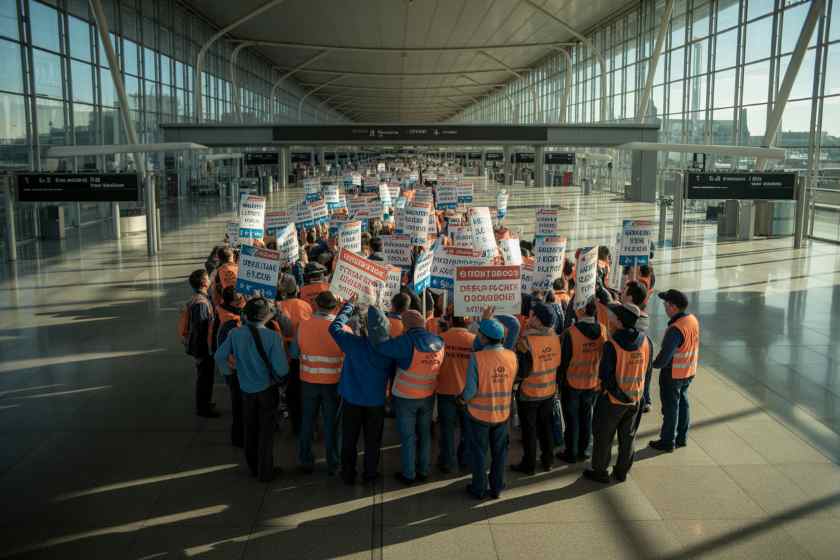
In the annals of Canadian labor history, the 1985 Air Canada flight attendant strike stands as a significant, albeit often forgotten, chapter. This industrial action, which lasted for a tense 17 days, brought the nation’s flagship airline to a near standstill, impacting thousands of travelers and highlighting the evolving landscape of worker rights in the aviation sector.
The strike, initiated by the Canadian Airline Employees Association (CALEA), which represented approximately 3,000 flight attendants, was primarily fueled by a dispute over wages and working conditions. At the heart of the disagreement were demands for improved pay scales, better benefits, and more equitable scheduling. Flight attendants argued that their compensation had not kept pace with inflation and the increasing demands of their profession, which had become more complex with evolving safety regulations and passenger service expectations.
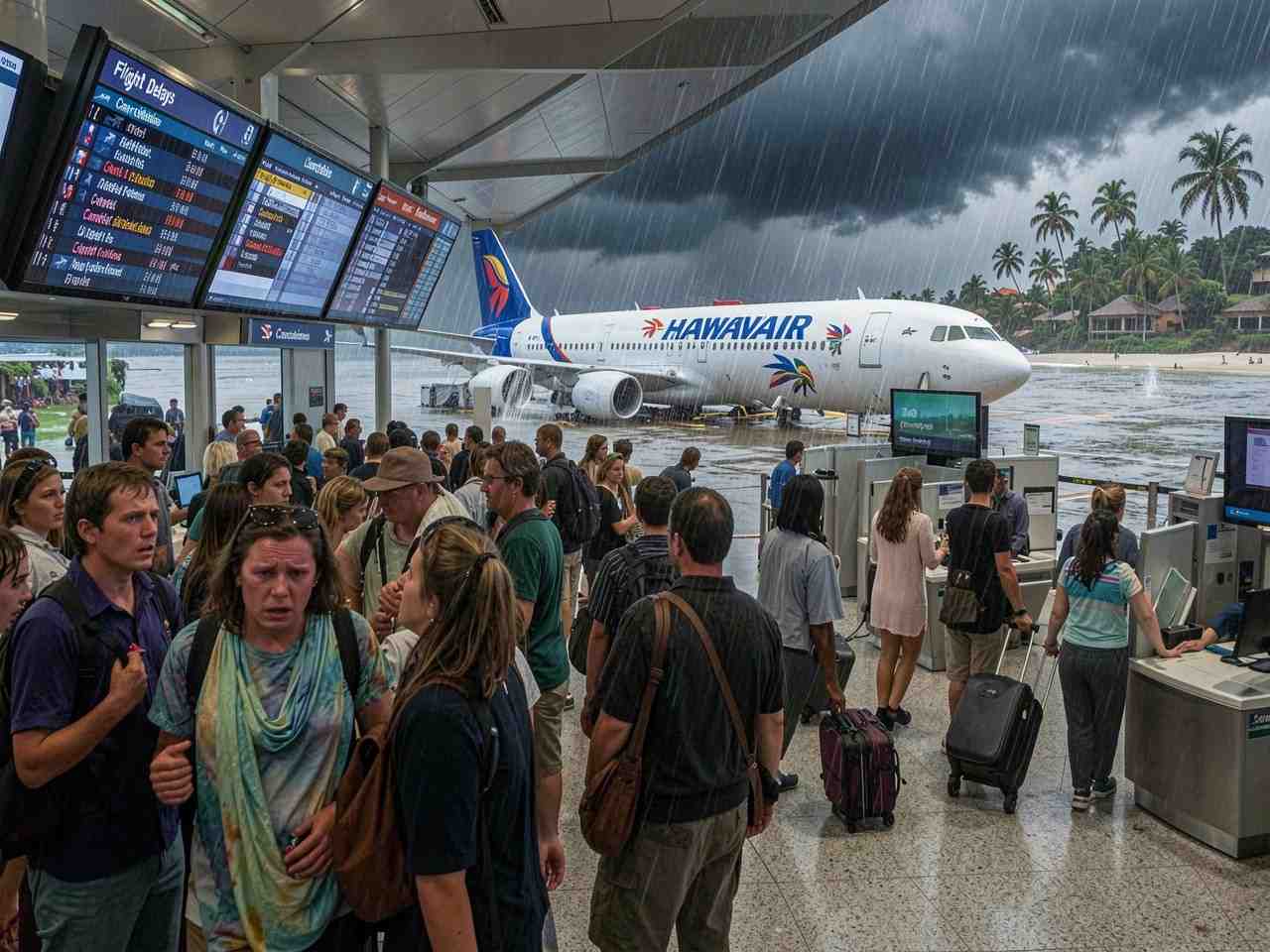
The impact of the strike was immediate and far-reaching. Air Canada was forced to cancel a significant portion of its flights, leaving many passengers stranded at airports across the country and internationally. The airline implemented contingency plans, utilizing management personnel and other available staff to operate a reduced schedule, but the disruption was undeniable. The economic consequences were felt not only by Air Canada through lost revenue but also by businesses and individuals whose travel plans were disrupted.
Negotiations between CALEA and Air Canada management were protracted and at times fraught with tension. The federal government, under Prime Minister Brian Mulroney, played a role in facilitating discussions, but ultimately, a resolution was reached through direct bargaining between the parties. The eventual agreement saw flight attendants secure some of their key demands, including modest wage increases and improvements to certain working conditions.
The 1985 strike served as a powerful reminder of the crucial role flight attendants play in the operational integrity and public perception of an airline. It underscored the importance of fair labor practices and the collective bargaining power of unions in ensuring the well-being of employees in demanding industries. While the specific details of the contract settlement may have faded from public memory for many, the event remains a pivotal moment in understanding the history of labor relations within Canada’s vital transportation network.
Read the Complete Article.
Get curated travel AI insights — choose the newsletters that matter to you.
This spot is reserved for brands with a compelling story for the travel trade. They use this space to cut...
Read moreDetailsTravel One Technologies launches the world’s first Traveler DNA Platform, targeting the structural data gap at the core of an...
Read moreDetails