





No products in the cart.
- Latest
- Trending

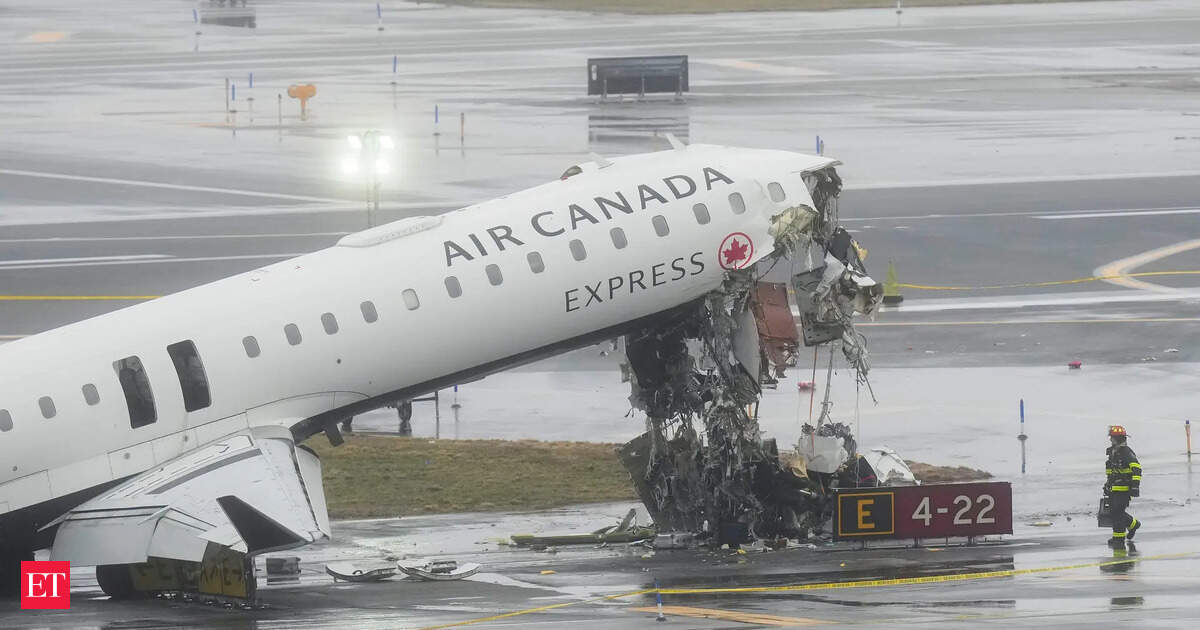
After a tense period of industrial action, Air Canada has successfully resumed its full flight schedule following intervention by the Canadian federal government. The government enacted legislation to end the strike by over 4,000 Air Canada Technical Services and Supply Chain employees, represented by Unifor, on Monday, June 3rd. This move aimed to restore stability to the national airline’s operations and mitigate further economic disruption.
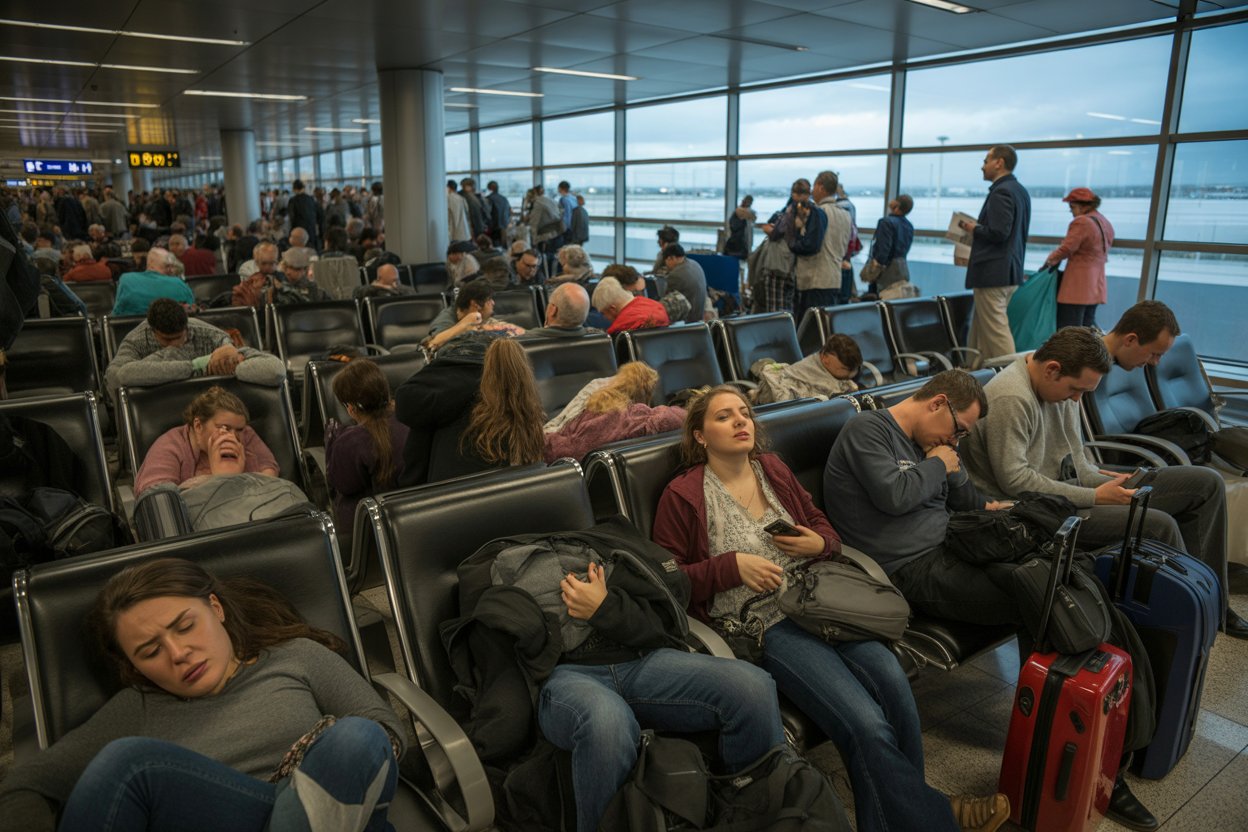
The strike, which commenced at midnight on Sunday, June 2nd, had immediate and widespread consequences for travelers. Flights were cancelled across Canada, impacting thousands of passengers who faced uncertainty and disruption to their travel plans. The grounding of services not only affected individual journeys but also had ripple effects on various sectors reliant on air transport, including tourism and business.
The federal government’s decision to impose a back-to-work legislation was a decisive step to resolve the dispute. This legislative measure compelled the striking workers to return to their duties, effectively ending the job action and allowing Air Canada to recommence its operations. The swift action by Ottawa underscores the critical nature of Air Canada’s services to the Canadian economy and the government’s commitment to ensuring the continuity of essential transportation networks.
While specific details of the agreement reached between Air Canada and Unifor were not immediately available in the initial reporting, the resumption of flights signifies a resolution to the immediate crisis. The underlying issues that led to the strike are likely to be addressed through further negotiations or the terms stipulated in the legislation. The focus now shifts to rebuilding passenger confidence and ensuring the smooth functioning of Air Canada’s extensive network.
The impact of the strike, though temporary, highlights the vulnerability of the travel industry to labor disputes. For passengers, the disruption serves as a reminder of the importance of staying informed about potential disruptions and having flexible travel plans. The successful resolution, facilitated by government intervention, demonstrates a mechanism for addressing such critical situations, though the long-term implications for labor relations within the airline industry will continue to be monitored. Air Canada is now working to re-accommodate affected passengers and return to its normal operating rhythm.
Key Points
Read the Complete Article.
Get curated travel AI insights — choose the newsletters that matter to you.
This spot is reserved for brands with a compelling story for the travel trade. They use this space to cut...
Read moreDetailsTravel One Technologies launches the world’s first Traveler DNA Platform, targeting the structural data gap at the core of an...
Read moreDetails