









No products in the cart.
- Latest
- Trending

Air Canada, Canada’s flag carrier, is currently navigating a critical juncture as its customer service employees, represented by the Canadian Union of Public Employees (CUPE), have voted overwhelmingly in favor of a strike. This development has cast a shadow of uncertainty over countless travel plans, raising concerns about potential disruptions to Air Canada’s operations.
The core of the dispute lies in contract negotiations between Air Canada and CUPE, which represents approximately 2,100 customer service agents, baggage handlers, and reservation agents. These employees are crucial to the smooth functioning of the airline, handling everything from check-in and boarding to baggage management and customer assistance. A strike by these workers could lead to significant delays, cancellations, and a considerable decline in the customer experience.
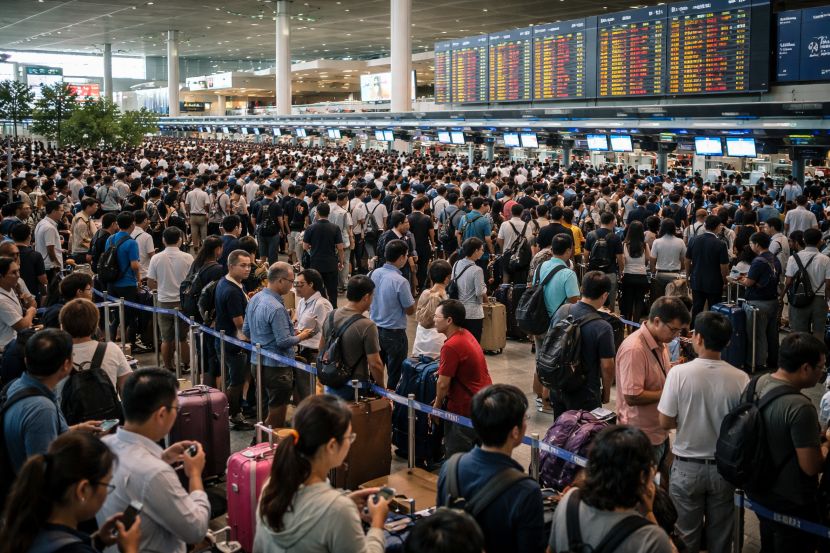
CUPE has expressed dissatisfaction with the current contract, citing issues related to wages, benefits, and working conditions. The union is pushing for improvements that they believe are commensurate with the essential role their members play in the airline’s success. For travelers, this means the possibility of facing longer queues, reduced staffing at airports, and potential flight disruptions if a resolution isn’t reached.
Air Canada, on the other hand, has stated its commitment to reaching a negotiated agreement with CUPE. The airline is keen to avoid any industrial action that could negatively impact its operations and its ability to serve its passengers. Negotiations are ongoing, and the two parties are reportedly engaging in discussions to find common ground.
The union has indicated that they have provided notice of their intent to strike, but a specific date has not yet been set. This “open-ended” notice means that a strike could be called with as little as 72 hours’ warning, adding an element of unpredictability for those with upcoming Air Canada flights.
For passengers booked on Air Canada flights, it is crucial to stay informed. Travelers are advised to monitor Air Canada’s official website and social media channels for the latest updates on flight status and any potential service disruptions. Flexible booking options, such as the ability to change flights without penalty, might also be available. Checking travel insurance policies for strike-related coverage is also a prudent step.
The potential for a strike highlights the ongoing challenges faced by the airline industry in balancing operational efficiency with the needs of its workforce. The outcome of these negotiations will have a significant impact not only on Air Canada and its employees but also on the millions of travelers who rely on the airline for their journeys. The coming days will be pivotal as both sides work towards a resolution that ensures continued service for passengers.
Key Points
Read the Complete Article.
Get curated travel AI insights — choose the newsletters that matter to you.
This spot is reserved for brands with a compelling story for the travel trade. They use this space to cut...
Read moreDetailsTravel One Technologies launches the world’s first Traveler DNA Platform, targeting the structural data gap at the core of an...
Read moreDetails