







No products in the cart.
- Latest
- Trending


British, Air France, Brussels, Finnair, Lufthansa, Air Canada, ITA, Emirates and More Slammed by Tra...
Travelers across Europe are facing significant disruption as a cascade of issues has led to hundreds of flight cancellations and delays. Over 390 flights have been affected, impacting major carriers including British Airways, Air France, Brussels Airlines, Finnair, Lufthansa, Air Canada, ITA Airways, and Emirates. The widespread chaos stems from a combination of factors, leaving passengers stranded and airlines scrambling to manage the fallout.
The root cause of this extensive disruption appears to be a perfect storm of operational challenges. While specific details vary by airline, common threads include air traffic control (ATC) staffing shortages, industrial action by airline staff, and adverse weather conditions. These elements, often in isolation, can cause significant delays, but their convergence has created a widespread and persistent problem.
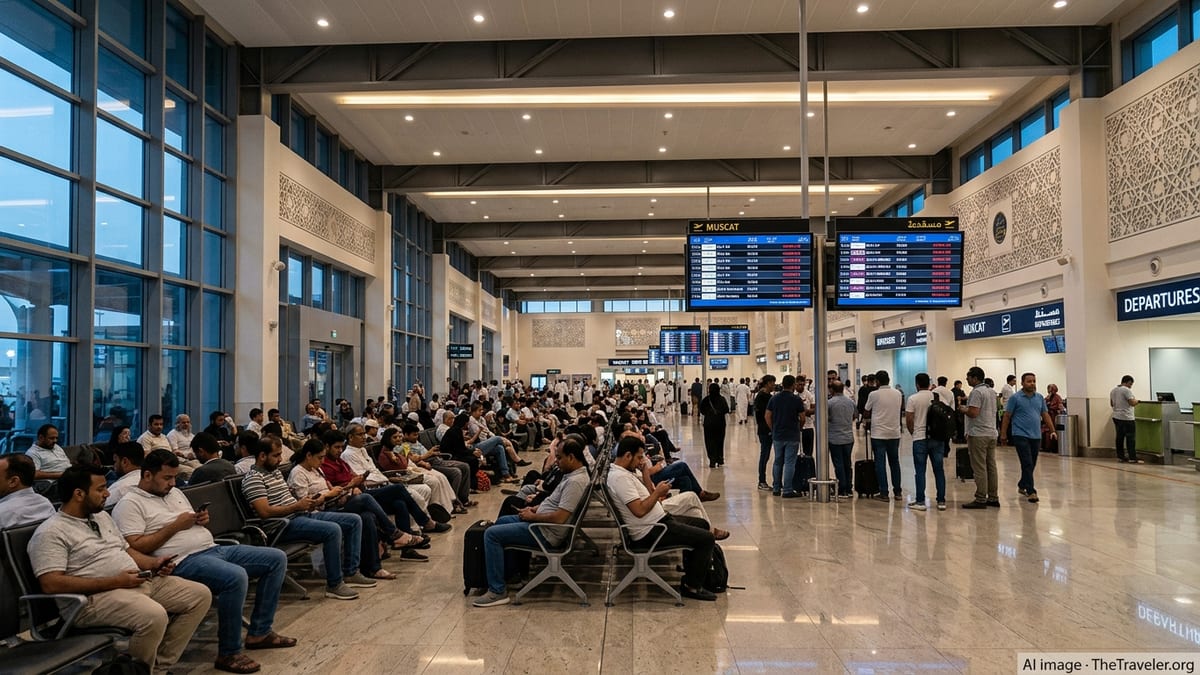
For passengers, the impact is immediate and frustrating. Missed connections, prolonged waits in airports, and the uncertainty of rescheduled flights are becoming the norm for many. The economic consequences for airlines are also substantial, with the cost of accommodating stranded passengers, rebooking flights, and potential compensation claims adding up quickly. This situation highlights the fragility of modern air travel and its susceptibility to even minor operational hiccups when systems are already stretched.
The geographical spread of the disruptions is particularly concerning, affecting key travel hubs and routes across the continent, including significant impacts in Spain and Germany. This suggests that the underlying issues are not isolated to specific regions but are systemic within the European air travel network. The knock-on effects extend beyond immediate flight cancellations, impacting hotel bookings, onward travel arrangements, and the overall efficiency of the travel ecosystem.
Airlines are working to mitigate the impact, but the scale of the problem means that a swift resolution is unlikely. Passengers are advised to stay updated with their airline’s latest information and to be prepared for potential changes to their travel plans. The current situation underscores the need for greater resilience and contingency planning within the aviation industry to weather such widespread operational challenges. The coming days will be crucial in determining how quickly these disruptions can be resolved and how the industry will adapt to prevent similar widespread issues in the future.
Read the Complete Article.
Get curated travel AI insights — choose the newsletters that matter to you.
This spot is reserved for brands with a compelling story for the travel trade. They use this space to cut...
Read moreDetailsTravel One Technologies launches the world’s first Traveler DNA Platform, targeting the structural data gap at the core of an...
Read moreDetails