








No products in the cart.
- Latest
- Trending


More Than 30 New Flights Cancelled Across Canada as Air Canada, WestJet, and Others Face Disruptions...
Canada’s aviation sector is experiencing significant turbulence as adverse weather conditions have led to the cancellation of over 30 flights across the country. Major carriers, including Air Canada and WestJet, along with numerous other airlines, are grappling with the impact of severe weather systems affecting key regions like Ontario, British Columbia, and Quebec. Travelers are advised to stay informed and expect further delays and cancellations as the situation evolves.
The disruptions stem from a complex interplay of weather phenomena, including heavy snow, ice, and strong winds. These conditions directly impact airport operations, leading to ground stops, reduced visibility for pilots, and a general inability to maintain safe flight schedules. Airports in major hubs such as Toronto Pearson International Airport and Vancouver International Airport have been particularly hard hit, with a ripple effect being felt across domestic and international routes.
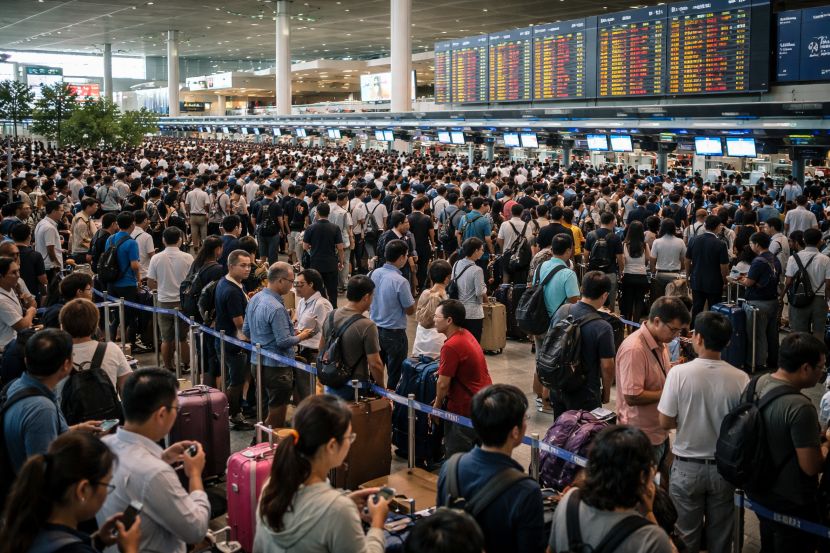
Passengers have been left stranded or facing significant rerouting, causing widespread frustration and impacting travel plans. Airlines are working to re-accommodate affected passengers, but the sheer volume of disruptions is stretching resources thin. The situation highlights the ongoing vulnerability of air travel to extreme weather events and the critical need for resilient airport infrastructure and contingency planning.
In Ontario, a significant portion of the cancellations are linked to snow squalls and freezing rain, which have made runways treacherous and reduced air traffic control capacity. British Columbia, meanwhile, is contending with winter storms that have brought heavy snowfall and icy conditions to its coastal and interior regions, impacting flights into and out of Vancouver and other key airports. Quebec is also experiencing a similar pattern of weather-related flight cancellations, exacerbating travel difficulties for residents and visitors alike.
The ripple effect of these cancellations extends beyond immediate passenger inconvenience. The economic impact on airlines, airports, and associated businesses is substantial, with lost revenue and increased operational costs. The industry is constantly striving to mitigate the effects of such disruptions, but the unpredictability of weather remains a significant challenge. Travelers are strongly encouraged to check their flight status directly with their airline before heading to the airport and to build flexibility into their travel plans during periods of inclement weather.
Key Points
Read the Complete Article.
Get curated travel AI insights — choose the newsletters that matter to you.
This spot is reserved for brands with a compelling story for the travel trade. They use this space to cut...
Read moreDetailsTravel One Technologies launches the world’s first Traveler DNA Platform, targeting the structural data gap at the core of an...
Read moreDetails