












Article Summary:
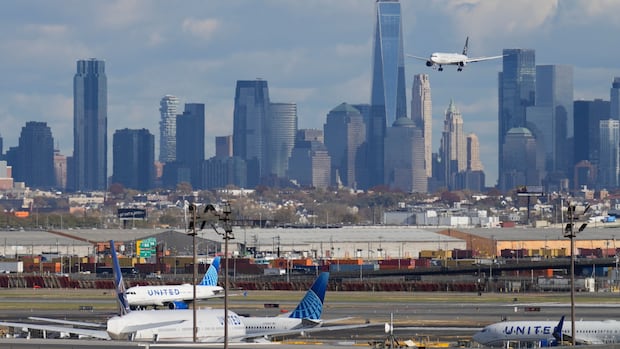
The article discusses the potential impact of a federal government shutdown in the United States on Canadian travelers planning to visit the U.S. While international flights are exempt from the FAA’s plan to reduce air traffic by 10% across 40 major U.S. airports, Canadians may still face cancellations and delays due to the cascading effects of the shutdown. The article provides a closer look at what travelers should know regarding these potential disruptions.
Key Points:
- The FAA has announced a 10% reduction in flights across 40 major U.S. airports, including major hubs, due to the federal government shutdown.
- Canadians traveling to the U.S. in the coming days may experience cancellations and delays, despite international flights being exempt from the reduction.
- The article emphasizes the cascading effects of the shutdown on air traffic and travel plans, highlighting the need for travelers to check their flights.
Actionable Takeaways:
- Monitor Flight Statuses: Canadian travelers should regularly check the status of their flights to major U.S. destinations, as cancellations and delays are possible due to the FAA’s traffic reduction measures.
- Plan for Flexibility: Given the potential for disruptions, travelers should consider flexible booking options, such as refundable tickets or travel insurance, to mitigate the impact of unexpected cancellations.
- Stay Informed: Keep abreast of updates from the FAA and relevant travel advisories to stay informed about any further changes or developments in air traffic and travel regulations.
Contextual Insights:
The article reflects the ongoing challenges faced by the travel industry due to federal government shutdowns, which can have cascading effects on air traffic and travel logistics. This situation underscores the importance of flexibility and preparedness for travelers, particularly those planning international trips. The reduction in flights highlights the vulnerability of the aviation sector to government policies and underscores the need for robust contingency planning in the travel sector. Additionally, the article points to the broader implications for travel startups and fintech innovations, as companies may need to develop more resilient systems to manage disruptions and enhance customer communication and support during such crises.
Read the Complete Article.



