



No products in the cart.
- Latest
- Trending


Over 190 Flights Canceled and Thousands Delayed Across US as Air Canada, Delta, United, American and...
Summer Storms Unleash Travel Chaos: Flights Canceled and Delayed Across the US
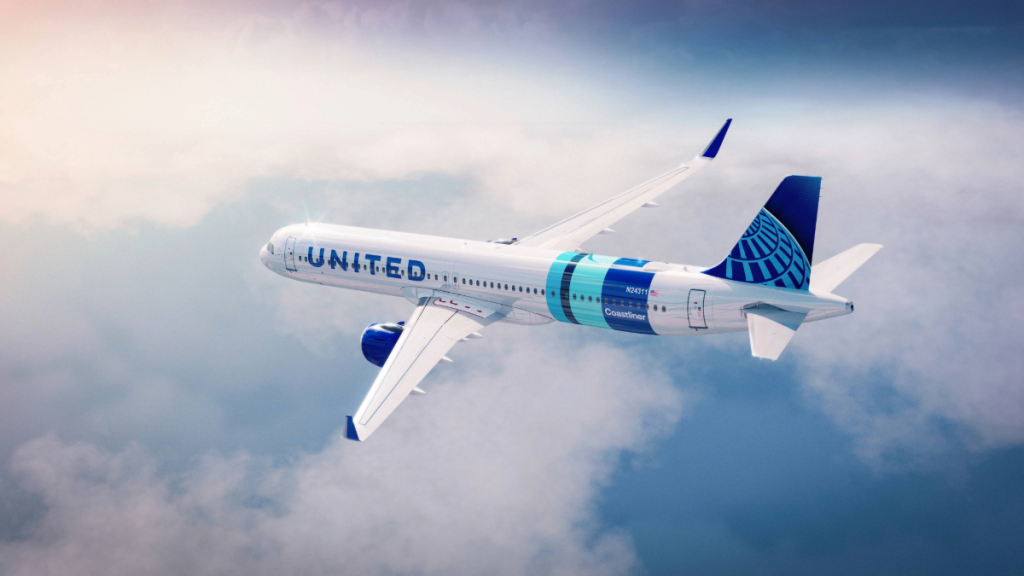
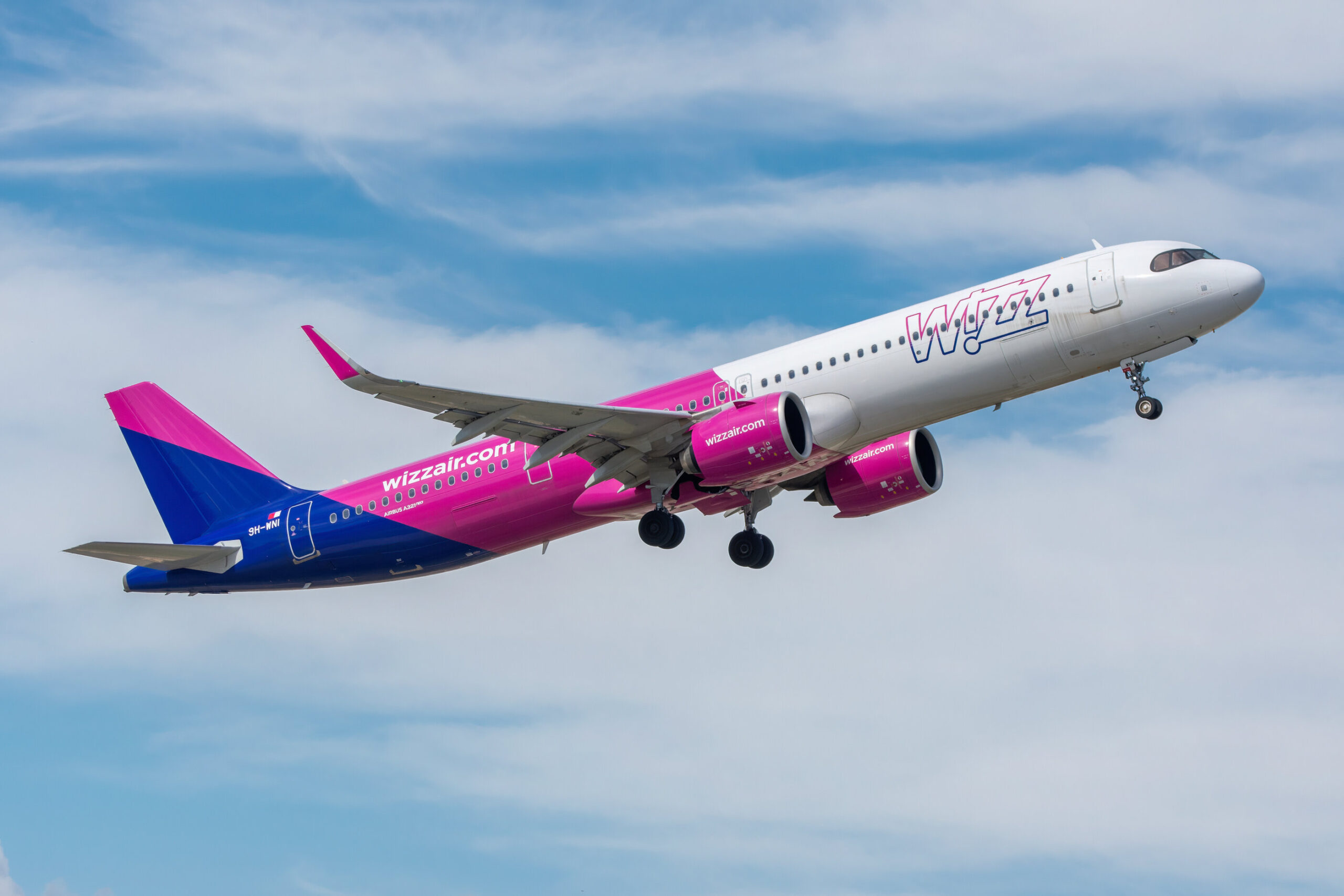
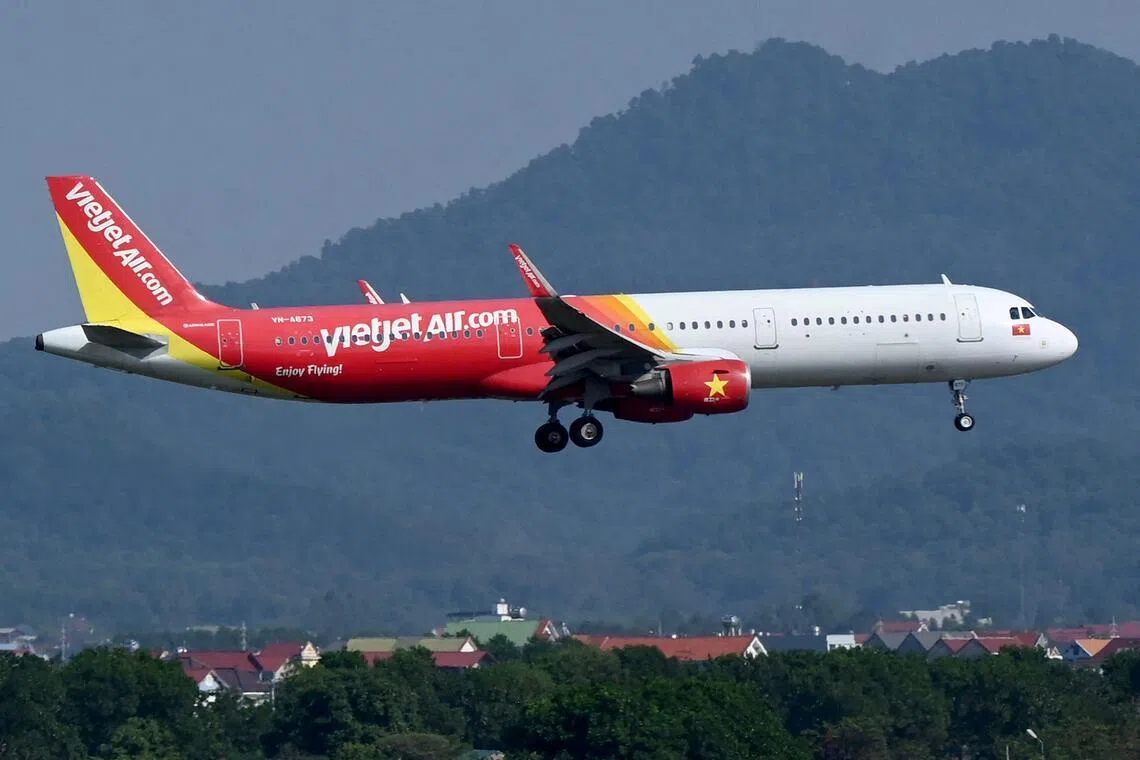
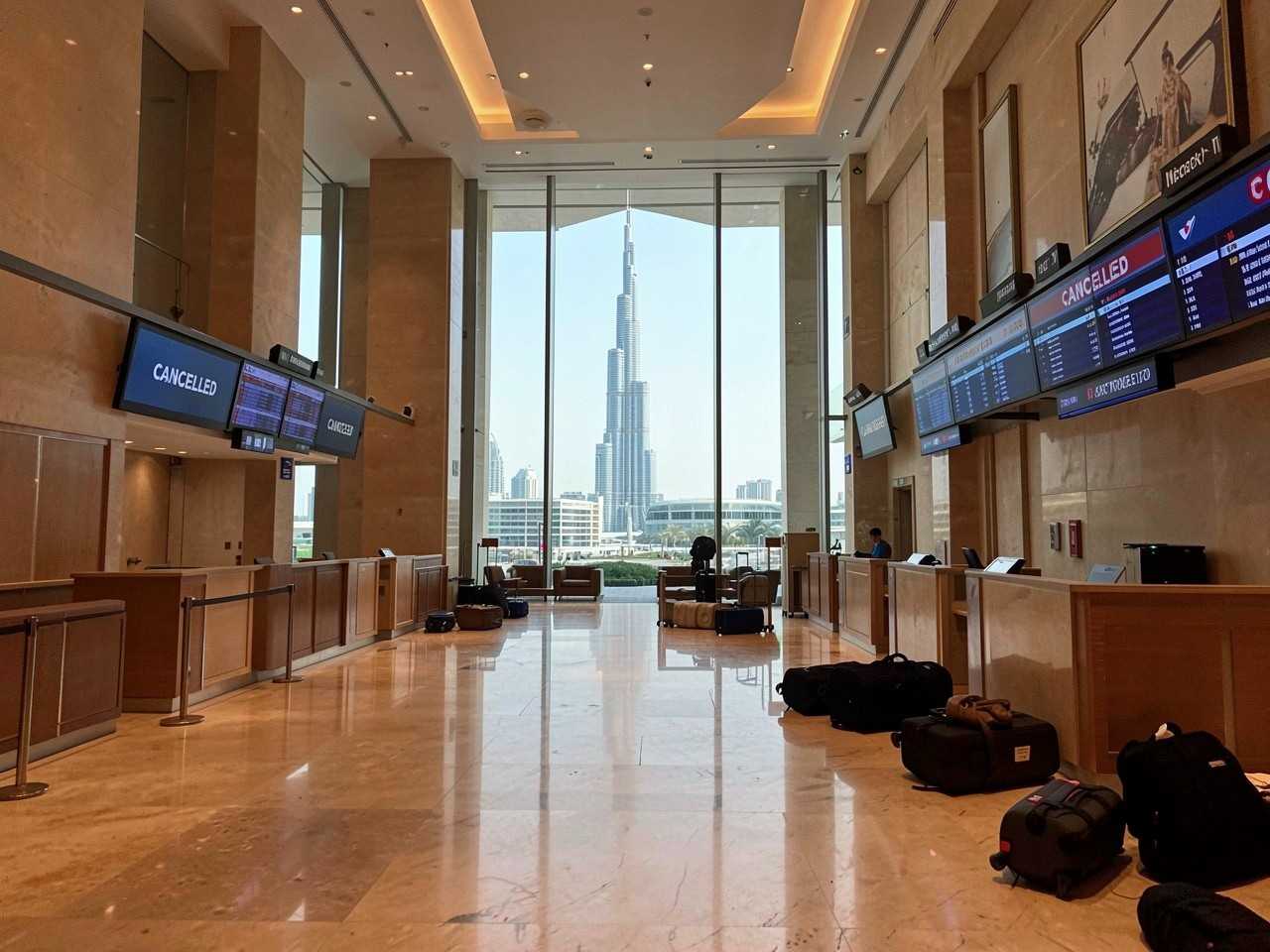
The summer travel season is facing significant disruptions as severe weather conditions continue to batter the United States, leading to widespread flight cancellations and delays. Over 190 flights have already been grounded, with thousands more experiencing substantial delays, impacting major carriers such as Air Canada, Delta Air Lines, United Airlines, American Airlines, and Alaska Airlines. This ongoing turmoil highlights the vulnerability of air travel to extreme weather events and the cascading effects on passengers and airline operations.
The primary culprit behind this widespread disruption is the intensification of summer storms, characterized by heavy rainfall, strong winds, and even hail in some regions. These conditions directly affect flight safety, leading to ground stops, reduced air traffic control capacity, and the inability for aircraft to operate. Airports in affected areas are experiencing significant backlogs, with ripple effects felt across the national air traffic system.
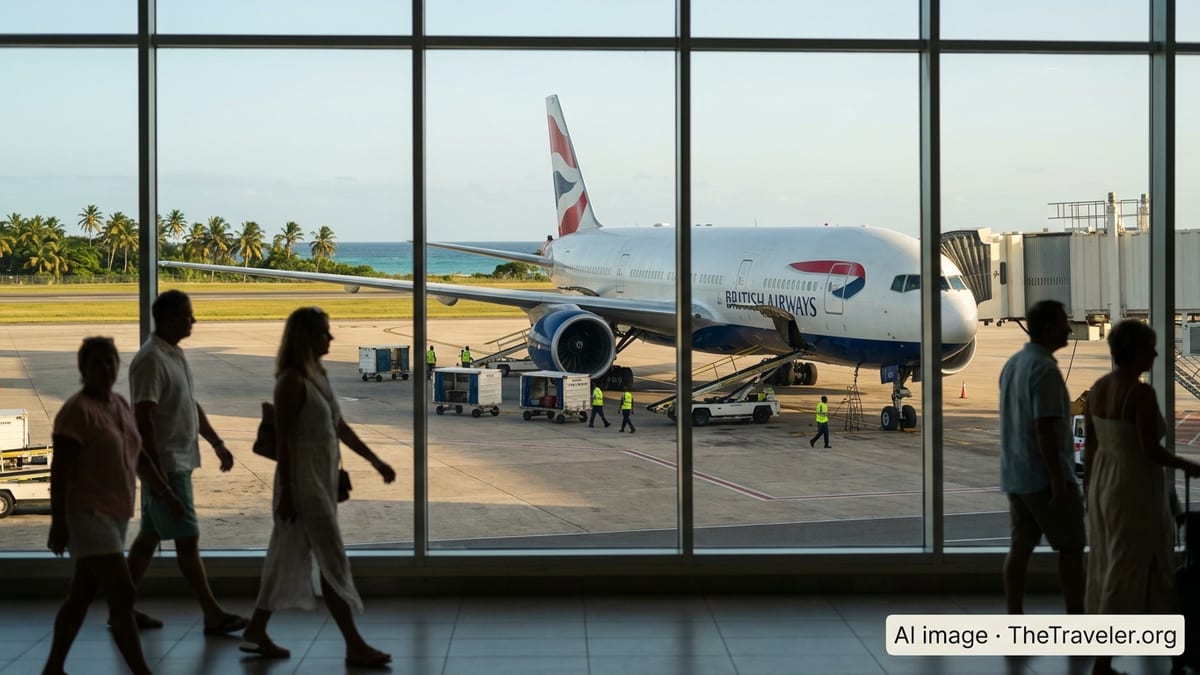
Passengers are bearing the brunt of these disruptions, facing extended waits at airports, missed connections, and the uncertainty of when their travel plans can resume. The cancellations and delays not only impact leisure travelers but also business professionals whose schedules are meticulously planned. Airlines are working to re-route passengers and accommodate those affected, but the sheer volume of disruptions is stretching their resources.
Understanding the Impact and Looking Ahead
The current situation underscores the need for increased resilience in the aviation industry. While airlines are adept at managing operational challenges, the frequency and intensity of extreme weather events pose a growing concern. Travelers are advised to stay informed about their flight status through their airline’s official channels and to build flexibility into their travel plans, especially during the peak summer months.
Airlines are implementing contingency plans, including positioning aircraft and crew in advance of anticipated weather events, but the unpredictable nature of storms makes complete mitigation difficult. The economic impact of these disruptions is also significant, not only for airlines in terms of operational costs and potential compensation for passengers but also for the broader travel and tourism sector, which relies on smooth and predictable travel.
As the summer progresses, the industry will be closely monitoring weather patterns and adapting strategies to minimize future disruptions. Enhanced communication with passengers, flexible rebooking policies, and ongoing investment in weather forecasting and air traffic management technologies are crucial for navigating these challenges. The current wave of cancellations and delays serves as a stark reminder of the dynamic interplay between weather and modern travel.
Key Points
Read the Complete Article.
Get curated travel AI insights — choose the newsletters that matter to you.
This spot is reserved for brands with a compelling story for the travel trade. They use this space to cut...
Read moreDetailsTravel One Technologies launches the world’s first Traveler DNA Platform, targeting the structural data gap at the core of an...
Read moreDetails