








No products in the cart.
- Latest
- Trending

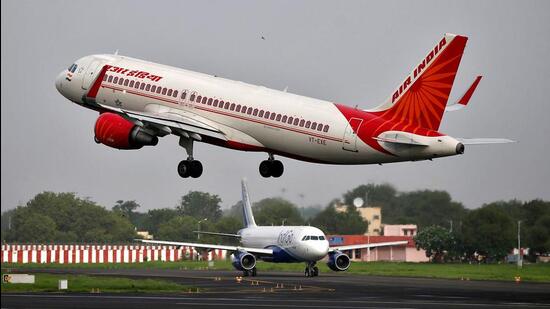
The CEO said Air India’s network and schedules have become highly volatile. (Reuters)
Comprehensive Summarization:
Air India has significantly reduced its flight operations to West Asia, canceling around 2,500 flights over the past three weeks, due to the ongoing Iran conflict. As a result, the airline is currently operating at only about 30% of its normal schedule in the region. This drastic reduction in operations is attributed to the volatile situation in the Middle East, impacting the airline’s network and schedules. The CEO, Campbell Wilson, highlighted in an internal communication to employees that Air India’s network and schedules have become highly volatile. The article also touches upon the broader impact of the conflict on the region and the travel industry, emphasizing the ongoing challenges faced by airlines in maintaining regular operations amidst geopolitical tensions.
Key Points:
Actionable Takeaways:
Operational Adjustments Required: Airlines must be prepared to make significant operational adjustments in response to geopolitical conflicts. This includes the potential for substantial reductions in flight schedules and the need for flexible scheduling to adapt to changing conditions. Understanding the impact of geopolitical events on travel operations is crucial for airlines to manage expectations and maintain customer trust.
Focus on Customer Communication: Effective communication with customers during periods of reduced service is essential. Airlines should proactively inform passengers about schedule changes and cancellations, providing clear and timely updates. This not only helps in managing customer expectations but also in maintaining brand loyalty and trust during challenging times.
Invest in Resilient Travel Tech: The article underscores the importance of resilient travel technology in navigating disruptions caused by geopolitical conflicts. Airlines should invest in advanced travel management systems that can quickly adapt to changes in flight schedules and routes. This includes leveraging AI and machine learning for real-time data analysis and decision-making, ensuring that airlines can respond swiftly to emerging challenges.
Contextual Insights:
The cancellation of flights by Air India due to the Iran conflict highlights the vulnerability of the travel industry to geopolitical tensions. The ongoing conflict in the Middle East has far-reaching implications, affecting not only the airlines operating in the region but also the broader travel industry. The reduction in flight schedules to 30% of normal operations underscores the significant impact of such conflicts on airline networks and schedules. This situation serves as a reminder of the need for the travel industry to be agile and adaptable in the face of geopolitical uncertainties.
In the context of current industry trends, the article reflects the growing importance of travel tech in managing disruptions. The reliance on advanced travel management systems, AI, and machine learning is becoming increasingly critical for airlines to maintain operational efficiency and customer satisfaction during times of crisis. Furthermore, the article emphasizes the need for airlines to focus on customer communication, a trend that is gaining traction as the industry seeks to build trust and loyalty in the face of uncertainty.
Overall, the article provides valuable insights into the challenges faced by airlines like Air India in maintaining regular operations amidst geopolitical conflicts. It underscores the importance of operational flexibility, effective communication, and investment in resilient travel technology as key strategies for navigating the complexities of the modern travel industry.
Read the Complete Article.
Get curated travel AI insights — choose the newsletters that matter to you.
This spot is reserved for brands with a compelling story for the travel trade. They use this space to cut...
Read moreDetailsALTOUR Expands into Thailand, Strengthening Corporate Travel Network Across Southeast Asia BANGKOK, THAILAND (25 March, 2026) – ALTOUR, a leading...
Read moreDetails


Comprehensive Summarization: The article announces significant updates to SAP Concur and American Express Global Business Travel's (Amex GBT) joint travel...
Read moreDetails