Article Summary:
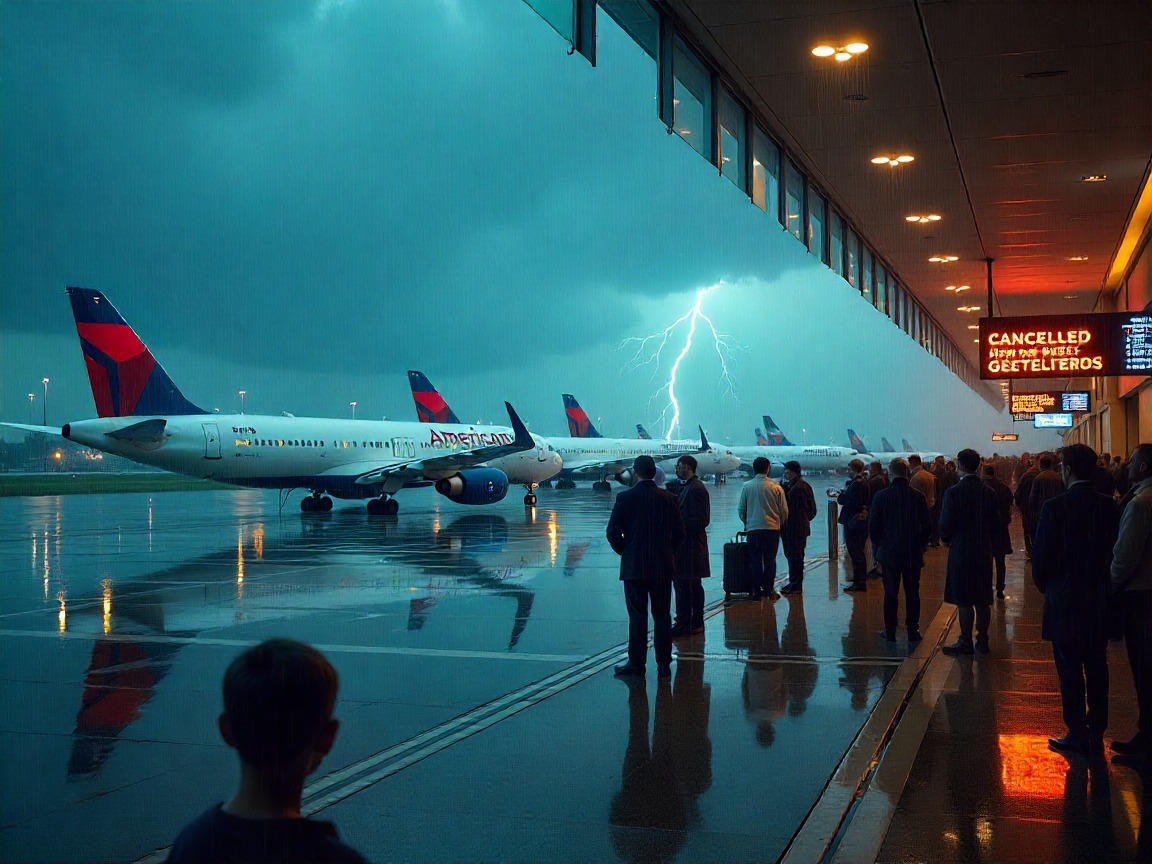
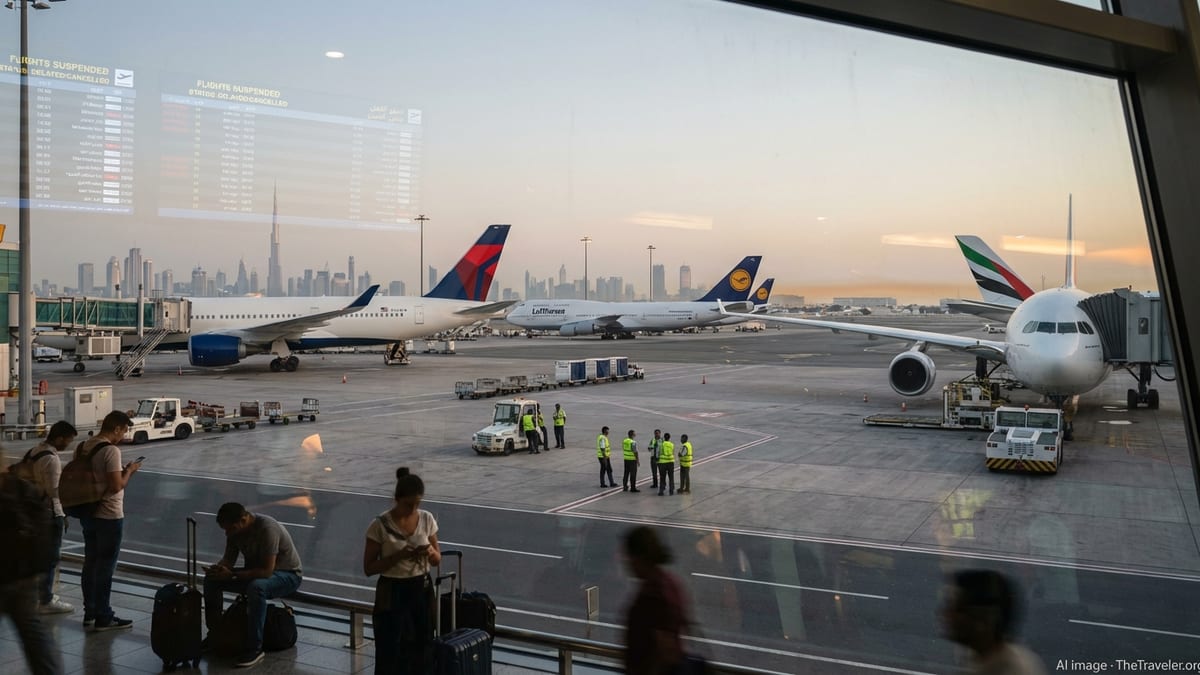
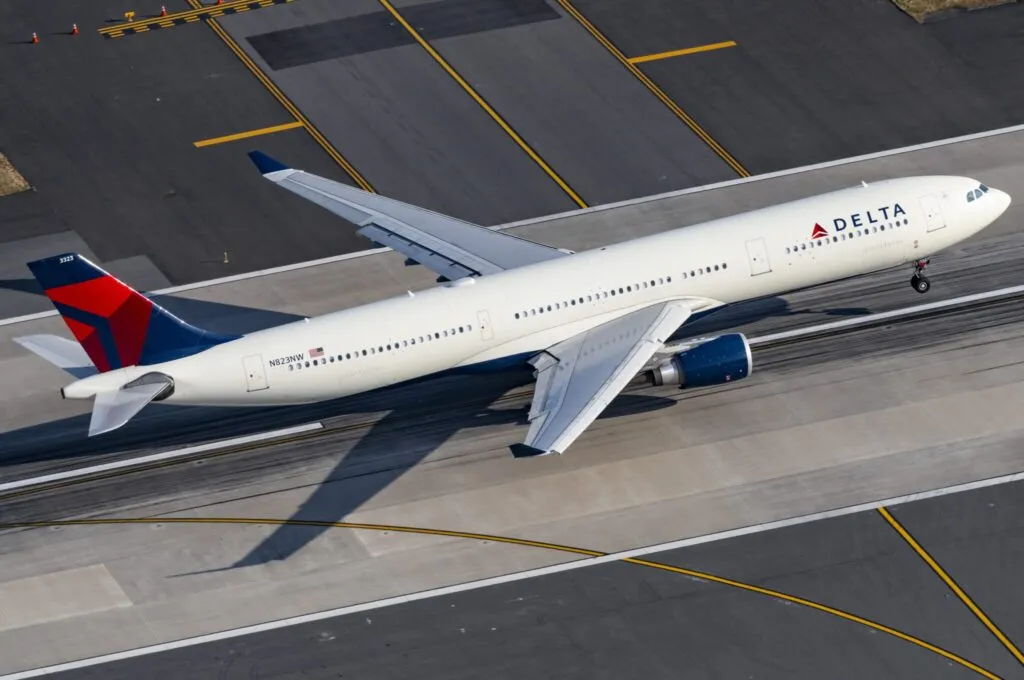
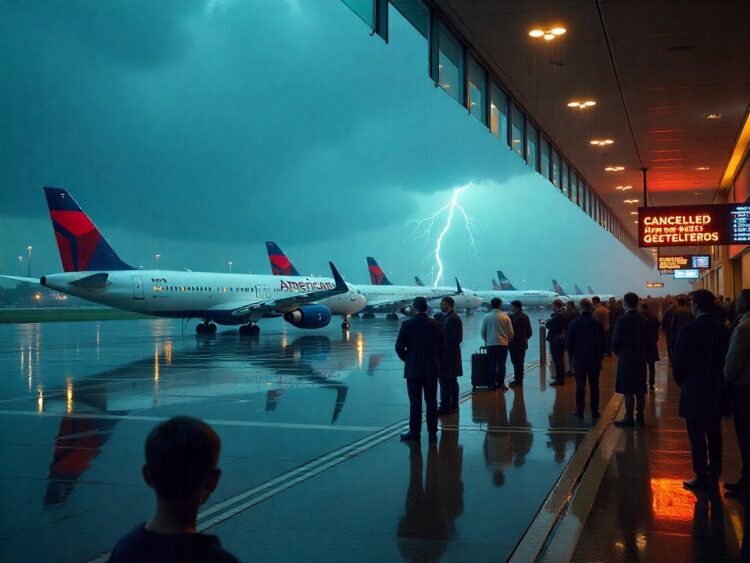
Delta Airlines, American Airlines, and Southwest Airlines are grappling with significant flight delays and cancellations due to California’s deadly atmospheric river storm. The storm has caused record rainfall, leading to widespread flooding and mudslides, which have severely disrupted travel plans across the region. The article highlights the challenges these major airlines are facing in managing the unprecedented number of disruptions, emphasizing the impact on both passengers and the broader travel industry.
Key Points:
- Severe Weather Impact: The atmospheric river storm has resulted in record rainfall, causing severe flooding and mudslides in California, directly affecting flight operations.
- Operational Challenges: Delta, American Airlines, and Southwest Airlines are experiencing substantial delays and cancellations, straining their operational capabilities.
- Passenger Disruption: The storm has left numerous travelers stranded, highlighting the critical need for effective crisis management in the airline sector.
- Industry-wide Concern: The article underscores the broader implications for the travel industry, emphasizing the vulnerability of airlines to extreme weather events.
Actionable Takeaways:
-
Enhanced Weather Monitoring Systems: Airlines should invest in advanced weather monitoring and predictive analytics to anticipate and mitigate the impacts of severe weather events. This proactive approach can help in better planning and reducing the frequency of flight disruptions.
-
Flexible Passenger Policies: Implementing more flexible policies for passengers affected by cancellations or delays can improve customer satisfaction and loyalty. Offering options such as rebooking, refunds, or travel credits can mitigate the negative impact on travelers.
-
Collaborative Crisis Management: Airlines should collaborate with airports, ground transportation services, and local authorities to streamline communication and resource allocation during crises. This collaborative effort can enhance the overall resilience of the travel ecosystem.
Contextual Insights:
The atmospheric river storm in California serves as a stark reminder of the vulnerabilities within the travel industry, particularly in regions prone to extreme weather events. The disruption caused by such natural disasters highlights the need for the travel sector to adopt more resilient operational strategies. Innovations in travel tech, such as real-time flight tracking and dynamic routing systems, can play a crucial role in enhancing operational efficiency and passenger experience during such disruptions. Furthermore, the integration of fintech solutions for seamless refunds and rebooking processes can significantly alleviate the stress on both airlines and passengers. As the industry continues to evolve, staying ahead of emerging trends and leveraging technological advancements will be key to maintaining operational stability and ensuring passenger safety.
Read the Complete Article.