










No products in the cart.
- Latest
- Trending

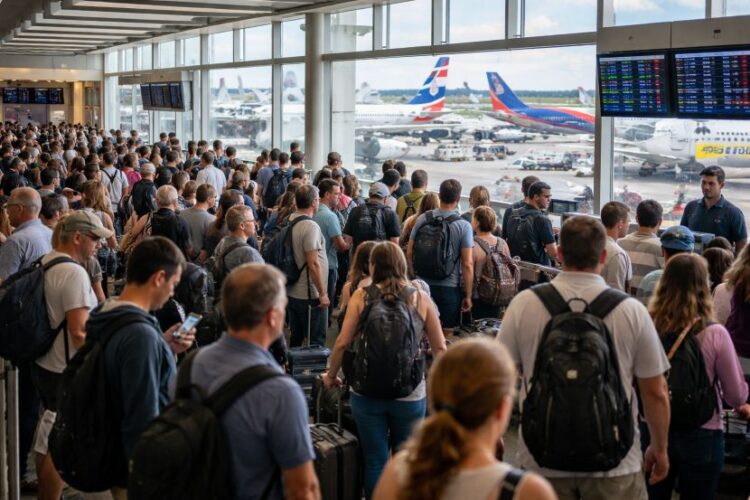
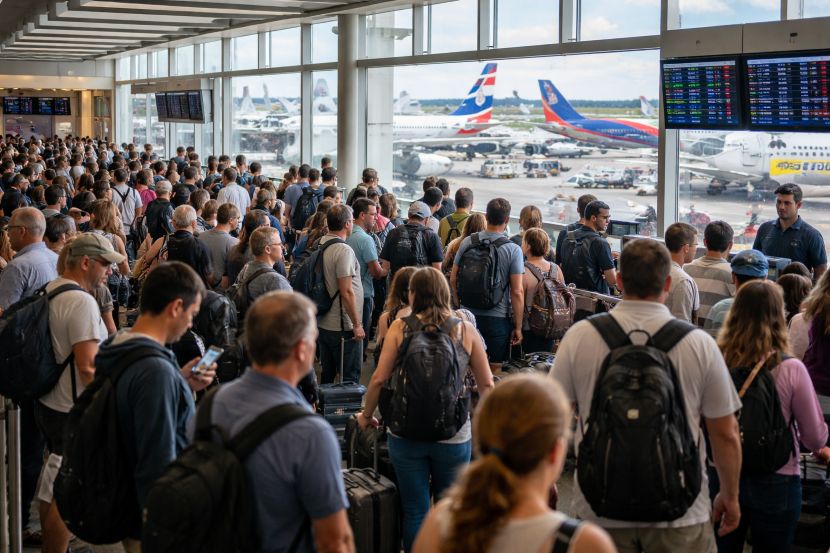
Charleston Airport Faces 12 Cancellations and 33 Delays with American Airlines, JetBlue, Southwest, ...
Comprehensive Summarization:
The article reports significant disruptions at Charleston International Airport (CHS) on March 24, 2026, due to 12 flight cancellations and 33 delays involving American Airlines, JetBlue, Southwest, Spirit, and other airlines. The disruptions affected travelers across Charleston, New York, Miami, and major US cities. The disruptions caused considerable inconvenience, with many passengers needing to alter their travel plans. The article underscores the challenges faced by travelers and the broader implications for the travel industry, particularly in terms of operational resilience and customer experience management.
Key Points:
Actionable Takeaways:
Enhanced Operational Resilience: Airlines and airports should invest in advanced scheduling and real-time tracking systems to mitigate the impact of unexpected disruptions. This includes leveraging AI and machine learning for predictive analytics to anticipate and manage potential issues before they escalate.
Improved Passenger Communication: Airlines should prioritize clear and timely communication with passengers during disruptions. Implementing automated notifications via mobile apps or SMS can help manage passenger expectations and reduce frustration. This approach not only improves customer satisfaction but also enhances the airline’s reputation for reliability.
Strategic Partnerships and Collaborations: The travel industry can benefit from strategic partnerships between airlines, airports, and technology providers. Collaborations can lead to shared resources and innovations in handling disruptions, such as joint development of more robust IT systems or shared contingency plans for large-scale events.
Contextual Understanding:
The disruptions at Charleston International Airport highlight the vulnerabilities in the current travel infrastructure, particularly in managing large-scale operational issues. The article reflects broader trends in the travel industry, such as the increasing reliance on technology to manage disruptions and the need for enhanced communication strategies. Recent advancements in AI and machine learning are being increasingly adopted to improve operational efficiency and passenger experience. Thought leaders in the travel sector emphasize the importance of agility and adaptability in responding to unforeseen challenges, suggesting that proactive measures are crucial for maintaining customer trust and loyalty.
Handling Different Article Types:
The article is a news blurb, providing factual information about a specific incident at Charleston International Airport. The summary, key points, and actionable takeaways are directly derived from the factual details provided, ensuring accuracy and relevance to the professional audience. The context analysis integrates current industry trends, such as the growing importance of technology in travel management and the need for effective communication strategies, aligning with the latest insights from travel industry experts.
Read the Complete Article.
Get curated travel AI insights — choose the newsletters that matter to you.
This spot is reserved for brands with a compelling story for the travel trade. They use this space to cut...
Read moreDetailsALTOUR Expands into Thailand, Strengthening Corporate Travel Network Across Southeast Asia BANGKOK, THAILAND (25 March, 2026) – ALTOUR, a leading...
Read moreDetails