Article Summary:
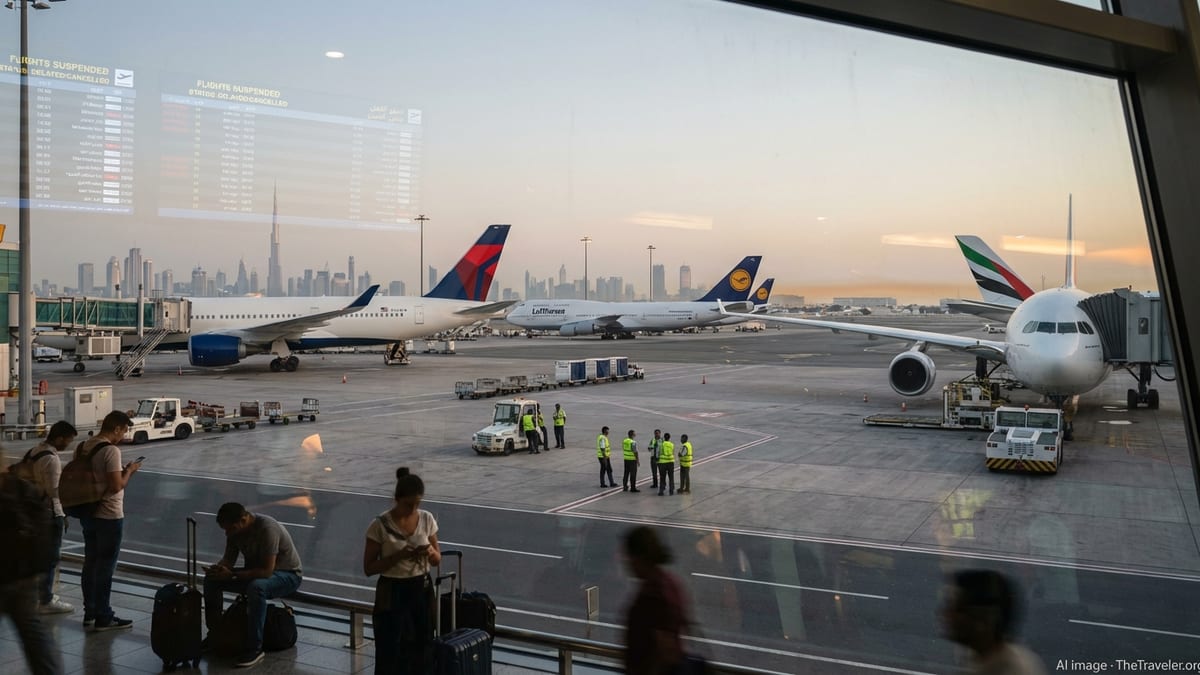
On December 27, 2025, JetBlue, Delta, American Airlines, and United Airlines faced significant flight cancellations due to a winter storm named “Devin” that swept through New York City. The storm disrupted thousands of travelers, affecting not only Americans but also Canadians, Brits, and Mexicans. The article highlights the challenges faced by major U.S. airlines in managing the extensive cancellations and the broader impact on international travelers.
Key Points:
- A major winter storm named “Devin” caused widespread flight cancellations across major U.S. airlines, including JetBlue, Delta, American Airlines, and United Airlines.
- The storm disrupted thousands of travelers, impacting not only domestic but also international passengers from Canada, the UK, and Mexico.
- The article emphasizes the operational challenges faced by airlines in managing such large-scale disruptions and the subsequent impact on global travel.
Actionable Takeaways:
- Enhanced Weather Monitoring Systems: Airlines should invest in advanced weather monitoring and predictive analytics systems to better anticipate and mitigate the impacts of severe weather events on flight operations. This could reduce the frequency and severity of cancellations, improving customer satisfaction and operational efficiency.
- Cross-Border Travel Coordination: Airlines operating in North America should improve coordination with international partners to manage the flow of travelers affected by weather disruptions. This includes better communication with passengers, streamlined rebooking processes, and enhanced support for affected travelers from Canada, the UK, and Mexico.
- Investment in Resilient Infrastructure: Airlines should consider investing in resilient infrastructure and contingency plans to handle extreme weather events. This could include backup power systems, flexible staffing models, and partnerships with ground handling companies to ensure operational continuity during severe weather disruptions.
Contextual Insights:
The article reflects the ongoing challenges faced by the travel industry in managing severe weather disruptions, particularly in regions prone to winter storms. The impact on international travelers underscores the interconnected nature of global travel networks and the need for coordinated responses across borders. Recent trends indicate a growing emphasis on technological solutions and operational resilience in the travel sector, with airlines increasingly adopting AI-driven analytics and flexible operational models to enhance their response capabilities. This article serves as a timely reminder of the importance of preparedness and adaptability in navigating unpredictable weather conditions and their broader implications for the travel industry.
Read the Complete Article.