Article Summary:
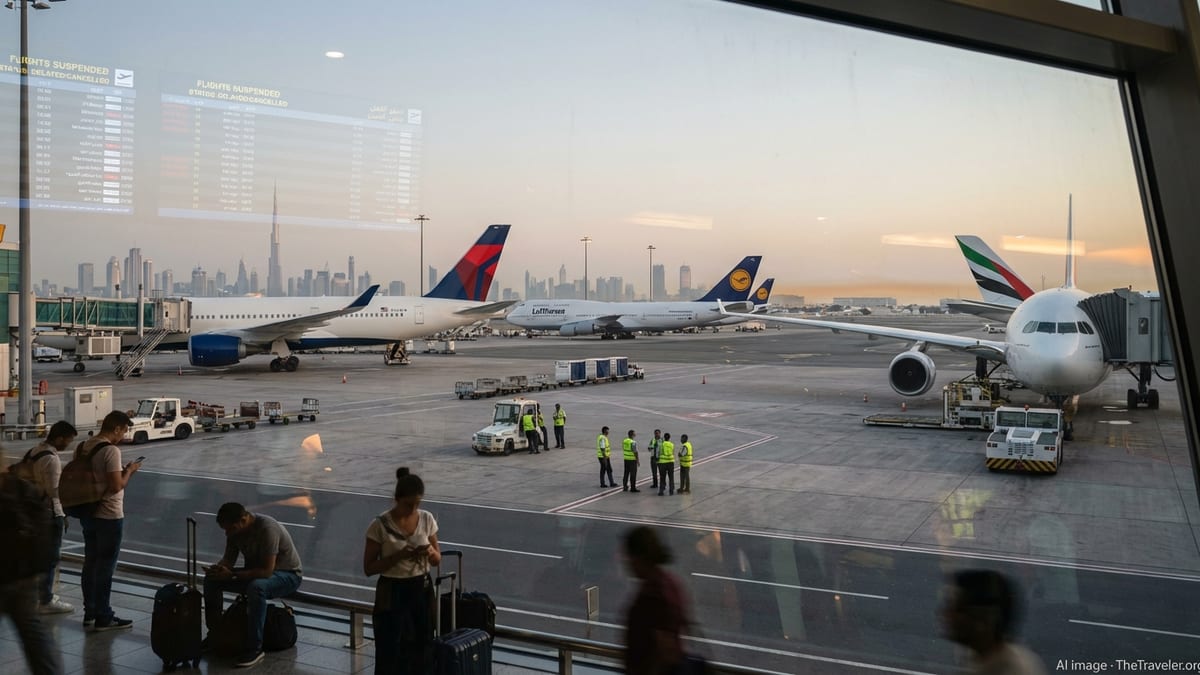
Fort Lauderdale International Airport (FLL) is experiencing significant travel disruptions due to severe weather conditions affecting multiple airlines, including JetBlue, Spirit, Delta, and American Airlines. The article reports that the airport has seen 71 flights canceled and 379 delays, impacting thousands of travelers across major U.S. airports such as New York, Philadelphia, and Orlando. The disruptions highlight the vulnerability of major airports to weather-related challenges and underscore the need for robust contingency planning in the travel industry.
Key Points:
-
Severe Weather Impact: The article details how severe weather conditions are causing widespread flight cancellations and delays at Fort Lauderdale International Airport, affecting major airlines and disrupting travel plans for thousands of passengers.
-
Geographic Reach: The disruptions are not limited to Fort Lauderdale but are impacting major U.S. airports, including New York, Philadelphia, and Orlando, indicating a broader impact on the U.S. travel infrastructure.
-
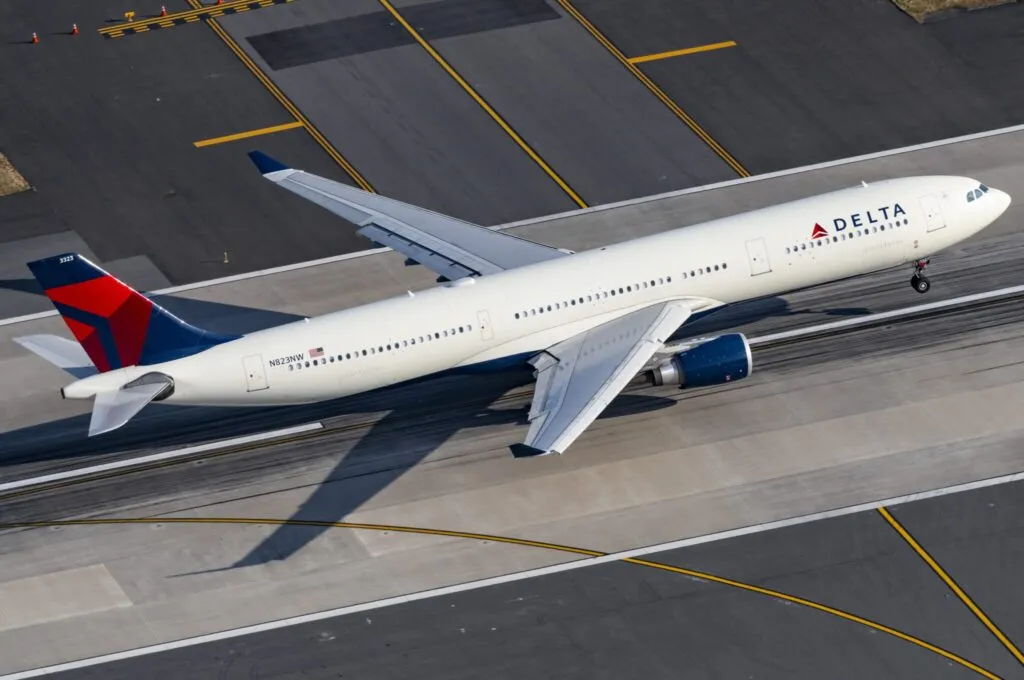
Affected Airlines: Major airlines such as JetBlue, Spirit, Delta, and American Airlines are among those experiencing significant flight disruptions, highlighting the systemic nature of the weather-related challenges.
-
Broader Airport Disruptions: The article mentions that the disruptions are affecting not just Fort Lauderdale but also other major airports, suggesting a widespread issue within the U.S. travel sector.
Actionable Takeaways:
-
Enhanced Weather Monitoring Systems: Implement advanced weather monitoring and predictive analytics systems to anticipate and mitigate the impact of severe weather on flight operations. This can help airlines proactively adjust schedules and inform passengers in advance, reducing the overall disruption caused by weather events.
-
Flexible Passenger Policies: Develop and communicate flexible passenger policies that offer options such as rebooking, refunds, or travel credits. This can help manage passenger expectations and reduce the financial and logistical burden on airlines during weather-related disruptions.
-
Invest in Resilient Infrastructure: Invest in resilient airport infrastructure that can withstand severe weather conditions. This includes upgrading runways, drainage systems, and other critical facilities to minimize the impact of adverse weather on flight operations.
Contextual Insights:
The article reflects the ongoing challenges faced by the travel industry in managing weather-related disruptions, particularly at major hubs like Fort Lauderdale International Airport. Recent trends indicate an increased frequency and severity of weather events, which are straining the capacity of airports and airlines to maintain operational efficiency. Thought leaders in the travel sector emphasize the importance of technological innovation and strategic planning to enhance resilience against such disruptions. The current situation underscores the need for continuous investment in technology and infrastructure to ensure that airports can quickly adapt to and recover from severe weather events, thereby safeguarding the travel experience for millions of passengers.
Read the Complete Article.