






No products in the cart.
- Latest
- Trending

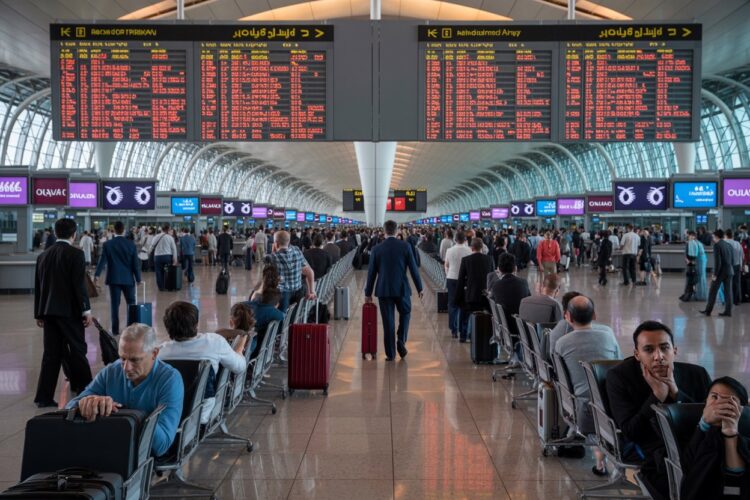
Hundreds of Passengers Stranded in Newark, New Jersey, USA as Newark Liberty International Airport D...
Comprehensive Summarization:
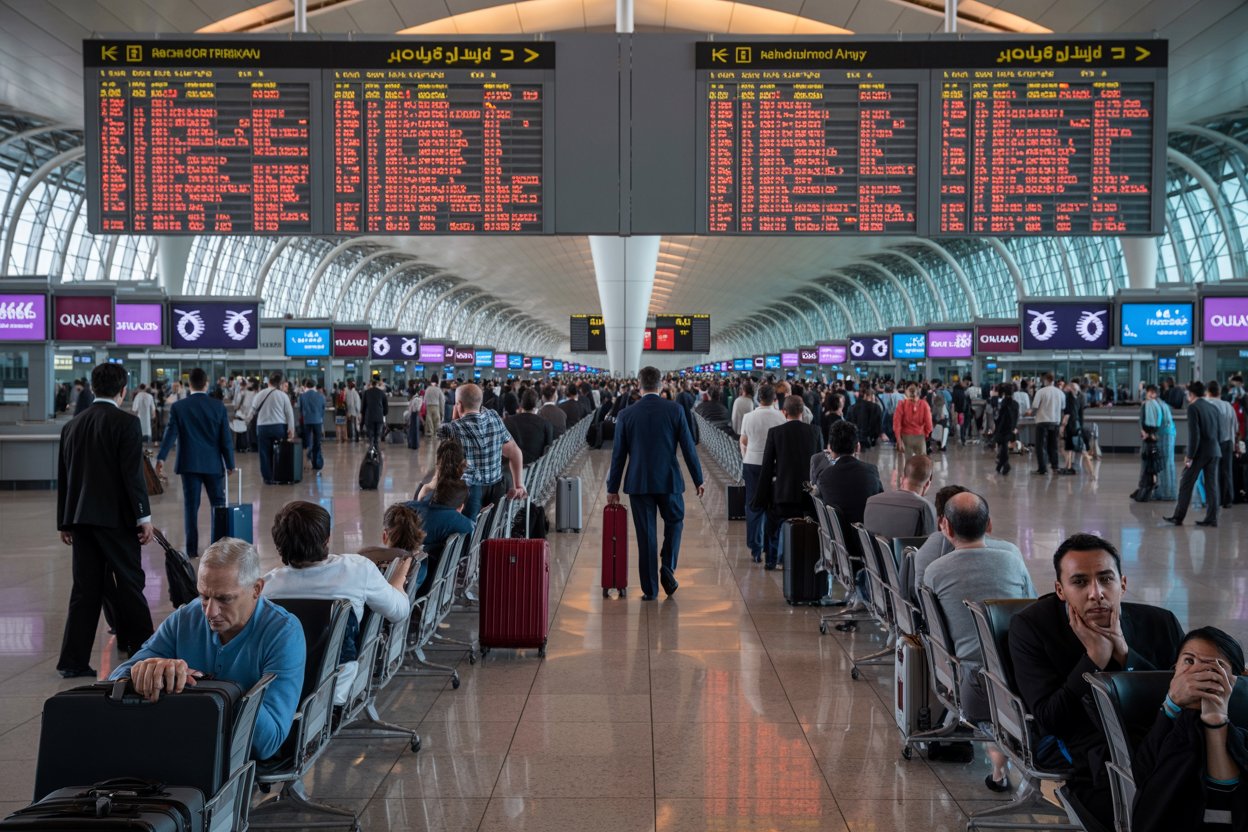
The article reports on significant disruptions at Newark Liberty International Airport (EWR) on March 23, 2026, where hundreds of passengers were stranded due to delays and cancellations. Newark Liberty International Airport experienced 168 flight delays and canceled 10 flights, affecting routes to major destinations including Chicago, Miami, and Orlando. Airlines such as United Airlines, Delta, and American Airlines were notably impacted. The disruption caused considerable travel chaos, stranding passengers across key domestic and international connections. The image accompanying the article depicts the dramatic scene at the airport, highlighting the scale of the disruption.
Key Points:
Actionable Takeaways:
Contextual Insights:
The disruption at Newark Liberty International Airport underscores the vulnerabilities within the current travel infrastructure, particularly in managing large-scale operational challenges. This incident highlights the critical need for robust communication systems and flexible policies to manage passenger expectations and minimize the impact on travelers. The article also reflects broader trends in the travel industry, such as the increasing reliance on technology for operational efficiency and passenger experience enhancement. Forward-looking insights suggest that the integration of predictive analytics and AI-driven solutions could play a pivotal role in future travel disruptions, offering a proactive approach to managing operational challenges. Additionally, the incident emphasizes the importance of continuous innovation in travel tech to adapt to evolving market demands and enhance the overall travel experience.
Read the Complete Article.
Get curated travel AI insights — choose the newsletters that matter to you.
This spot is reserved for brands with a compelling story for the travel trade. They use this space to cut...
Read moreDetailsALTOUR Expands into Thailand, Strengthening Corporate Travel Network Across Southeast Asia BANGKOK, THAILAND (25 March, 2026) – ALTOUR, a leading...
Read moreDetails


Comprehensive Summarization: British Airways has announced a significant expansion of its long-haul network for the upcoming winter season. This strategic...
Read moreDetails