Article Summary:
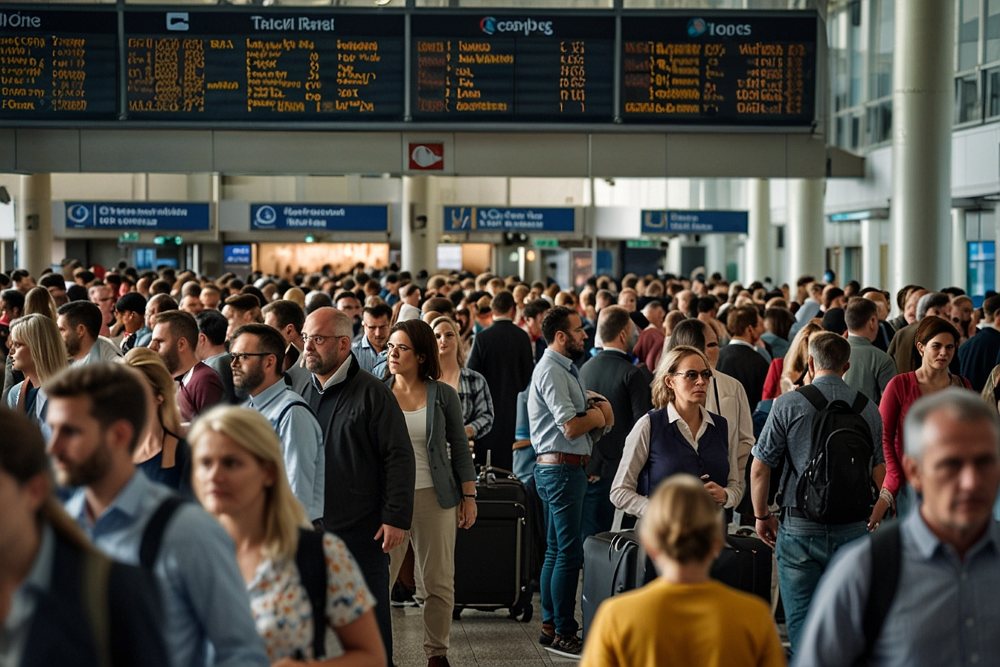
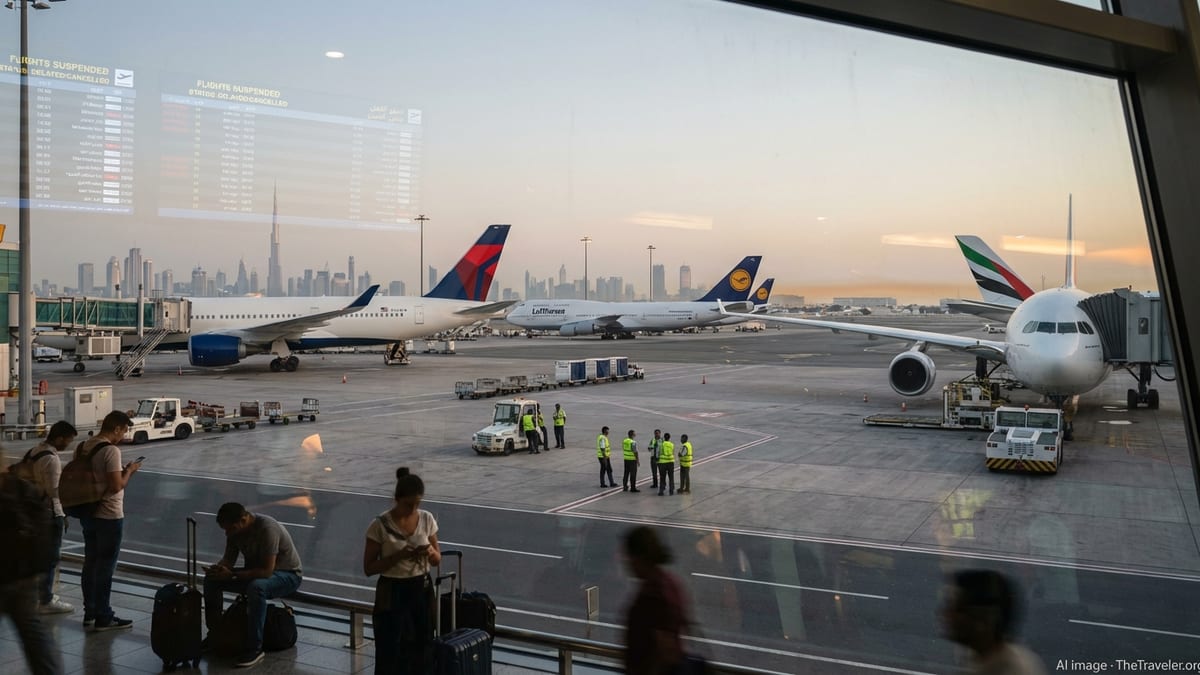
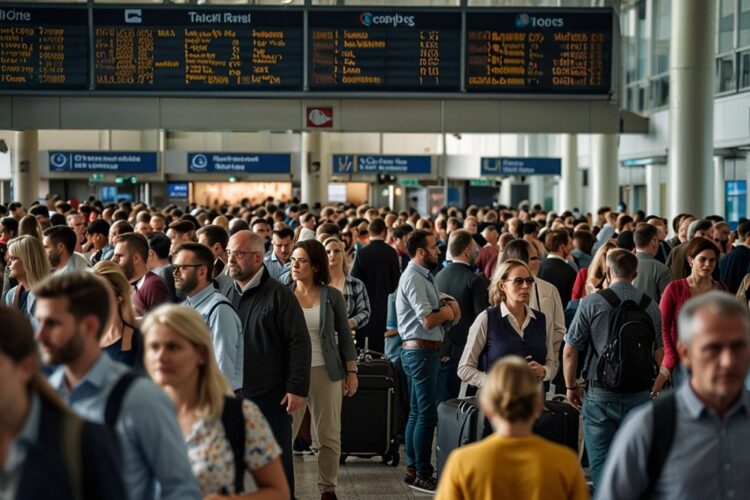
On December 23, 2025, thousands of travelers in the U.S. are experiencing significant travel disruptions as major airlines such as American, Delta, Spirit, Southwest, and others cancel 105 flights and delay 2,997 more. These disruptions are affecting key travel hubs including Fort Lauderdale, Dallas, Los Angeles, and Miami. The article highlights the operational challenges faced by these airlines and the broader implications for travelers and the travel industry.
Key Points:
- Flight Cancellations and Delays: Major airlines have canceled 105 flights and delayed 2,997 more, impacting thousands of travelers across major U.S. travel hubs.
- Geographic Impact: The disruptions are particularly severe in regions such as Fort Lauderdale, Dallas, Los Angeles, and Miami, indicating a widespread issue affecting multiple travel corridors.
- Operational Challenges: The article underscores the operational challenges faced by airlines, likely due to unforeseen circumstances such as weather, staffing issues, or other logistical problems.
- Industry-wide Impact: The disruptions highlight broader systemic issues within the U.S. travel industry, affecting both passenger experience and airline operations.
Actionable Takeaways:
-
Enhanced Communication Strategies: Airlines should improve communication with travelers regarding flight changes and delays. Clear, timely updates can mitigate traveler frustration and improve brand loyalty. Relevance: In the current travel climate, transparency and proactive communication are crucial for maintaining customer trust and satisfaction.
-
Investment in Resilient Operations: Airlines should invest in more resilient operational systems to handle unforeseen disruptions. This could include better staffing models, flexible scheduling, and contingency plans for adverse weather or other disruptions. Relevance: As the travel industry continues to recover from pandemic-related challenges, building operational resilience will be key to maintaining service levels and customer satisfaction.
-
Focus on Customer Experience Recovery: Travel companies should prioritize enhancing the customer experience during disruptions. This could involve offering additional amenities, compensation, or loyalty points to affected travelers. Relevance: As travelers become more discerning, providing exceptional service during disruptions can differentiate airlines and travel providers in a competitive market.
Contextual Insights:
The disruptions in U.S. travel highlight the ongoing challenges faced by the industry in the post-pandemic era. Recent trends indicate a growing emphasis on digital transformation and operational efficiency within airlines and travel service providers. Thought leaders emphasize the importance of leveraging technology to enhance customer experience and operational resilience. For instance, AI-driven predictive analytics can help airlines anticipate and mitigate potential disruptions before they impact travelers. Additionally, the rise of travel startups focused on innovative solutions such as real-time flight tracking and enhanced customer support platforms reflects a broader industry shift towards integrating technology to improve travel experiences. These insights suggest that the travel industry is moving towards more data-driven and customer-centric operations, which will be critical in managing future disruptions effectively.
Read the Complete Article.