





No products in the cart.
- Latest
- Trending

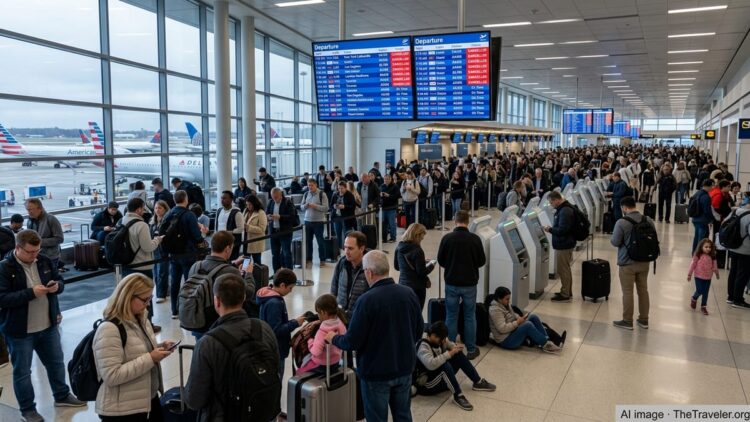
US Flight Disruptions Hit Major Routes as Cancellations Mount
Comprehensive Summarization:
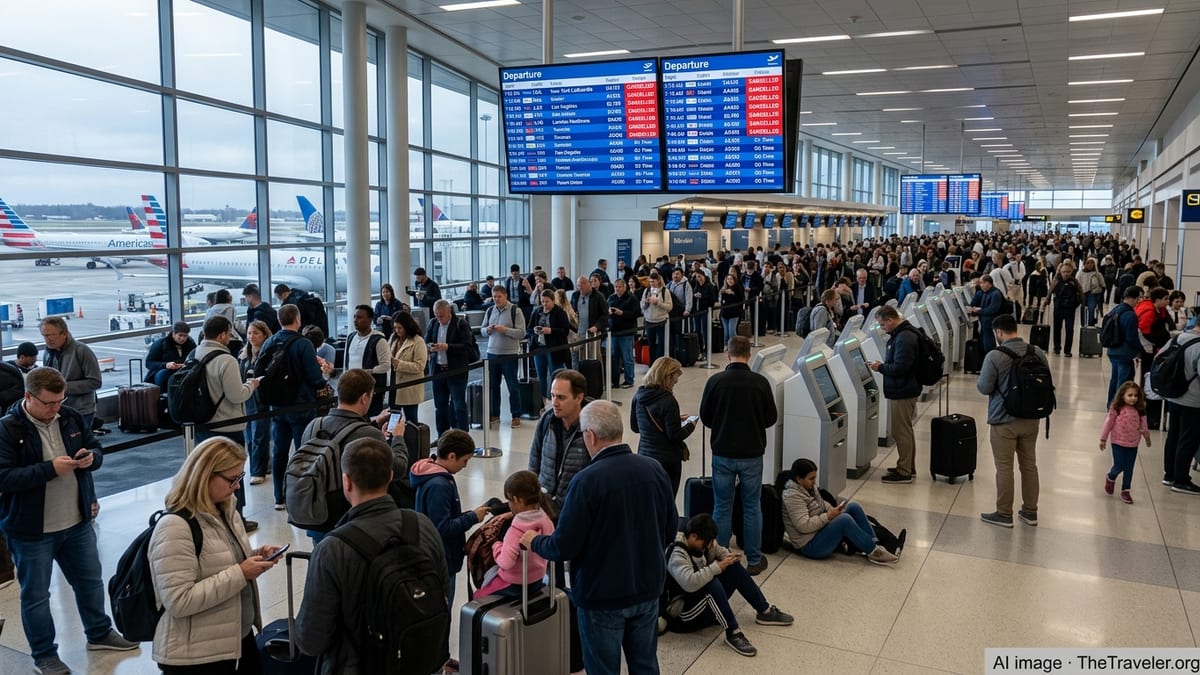
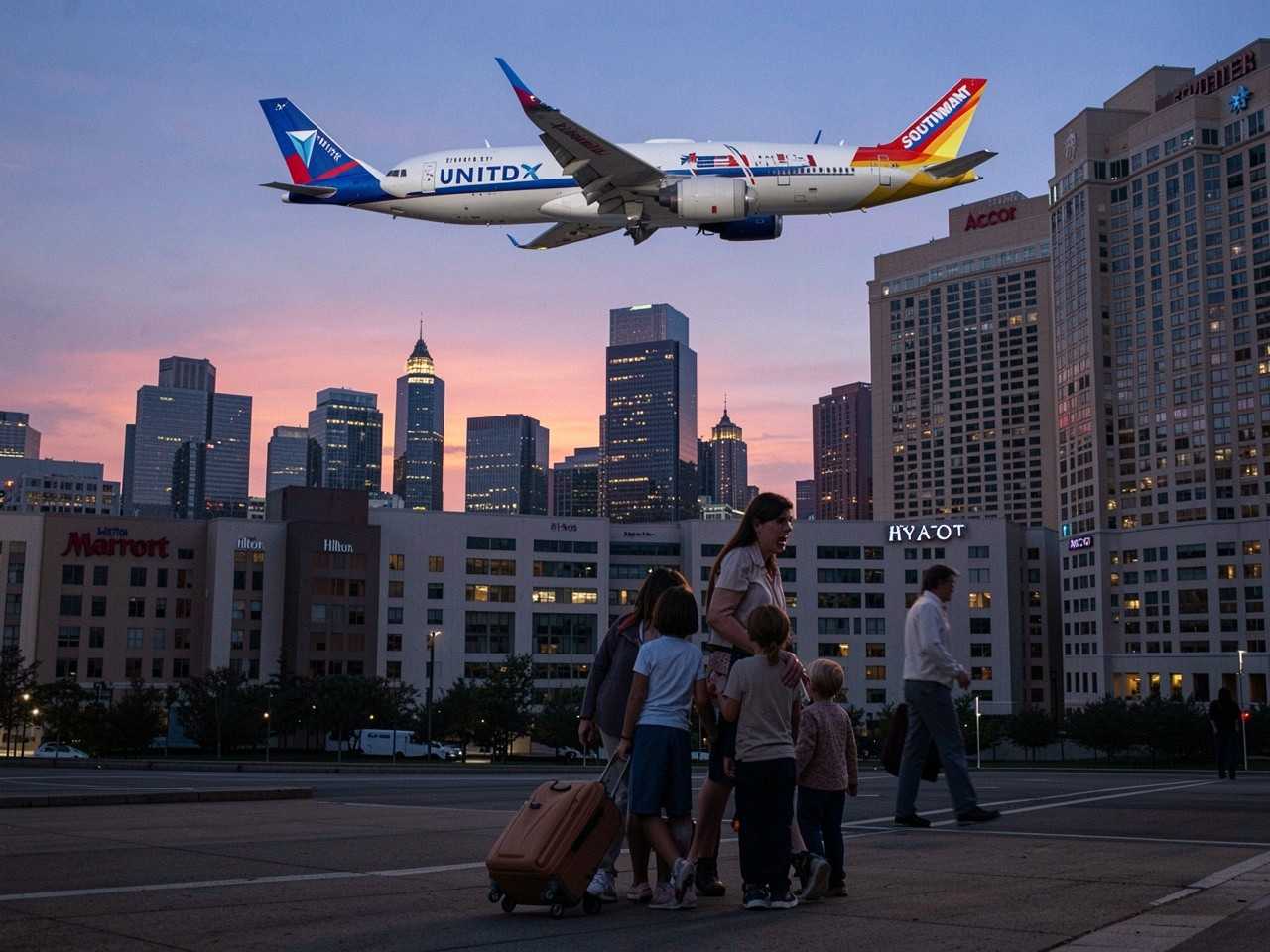
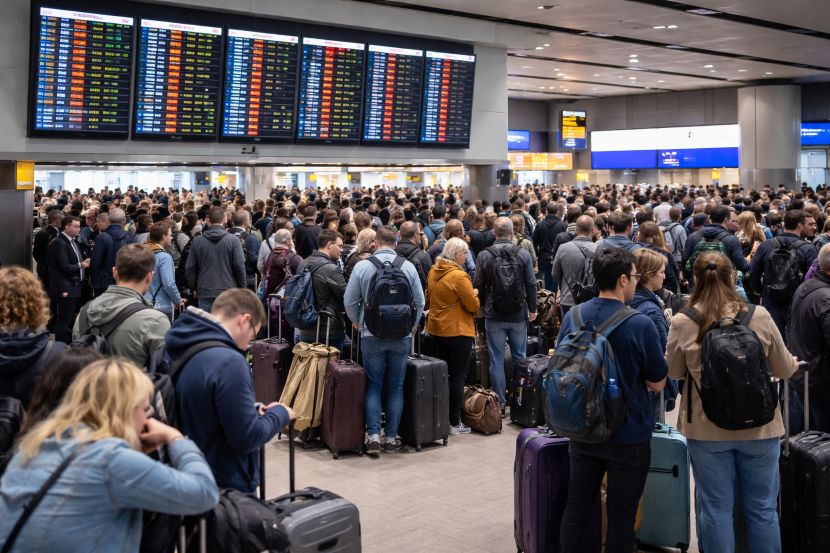
On March 24, 2026, travelers across the United States experienced significant disruptions as over 140 flights were cancelled by major carriers including Delta Air Lines, American Airlines, United Airlines, and Southwest Airlines. The cancellations affected key routes to major hubs such as New York’s LaGuardia, Miami, Los Angeles, London, Toronto, and other domestic and international destinations. This disruption highlights ongoing challenges in the travel industry, particularly in managing flight schedules amidst unforeseen circumstances, and underscores the need for robust contingency planning and communication strategies to mitigate the impact on passengers.
Key Points:
Actionable Takeaways:
Enhanced Communication Protocols: Airlines should implement real-time communication systems to promptly inform passengers of cancellations and provide alternative travel options. This proactive approach can significantly reduce passenger frustration and improve overall satisfaction.
Flexible Rebooking Policies: Offering flexible rebooking options with minimal penalties can help mitigate the financial impact on travelers and encourage loyalty among passengers. This aligns with current industry trends towards customer-centric policies in travel services.
Investment in Resilient IT Systems: Airlines should invest in advanced IT systems to enhance operational resilience, enabling real-time tracking of flight statuses and automated adjustments to schedules. This technological advancement can help prevent future disruptions by quickly identifying and addressing potential issues before they escalate.
Contextual Insights:
The recent flight cancellations reflect ongoing challenges within the travel industry, particularly in managing operational complexities and maintaining high service standards amidst unpredictable events. The disruption underscores the critical role of technology in modernizing travel operations, from real-time flight tracking to automated rebooking systems. As the industry continues to evolve, embracing innovative solutions such as AI-driven predictive analytics and blockchain for secure transaction processing can enhance operational efficiency and passenger experience. Furthermore, the incident highlights the importance of strategic partnerships between airlines, technology providers, and regulatory bodies to ensure a cohesive response to disruptions, fostering a more resilient travel ecosystem.
Read the Complete Article.
Get curated travel AI insights — choose the newsletters that matter to you.
This spot is reserved for brands with a compelling story for the travel trade. They use this space to cut...
Read moreDetailsTravel One Technologies launches the world’s first Traveler DNA Platform, targeting the structural data gap at the core of an...
Read moreDetails