





No products in the cart.
- Latest
- Trending

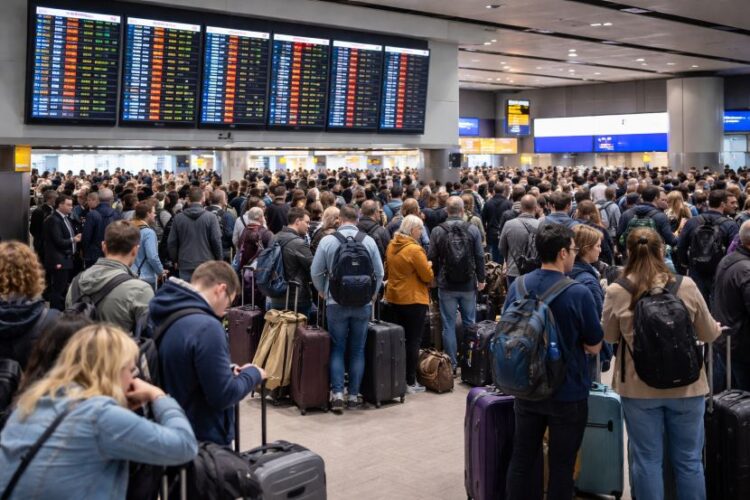
Passengers Left Stranded in UK as 420 Delays and 27 Cancellations in London, Manchester, Birmingham,...
Comprehensive Summarization:
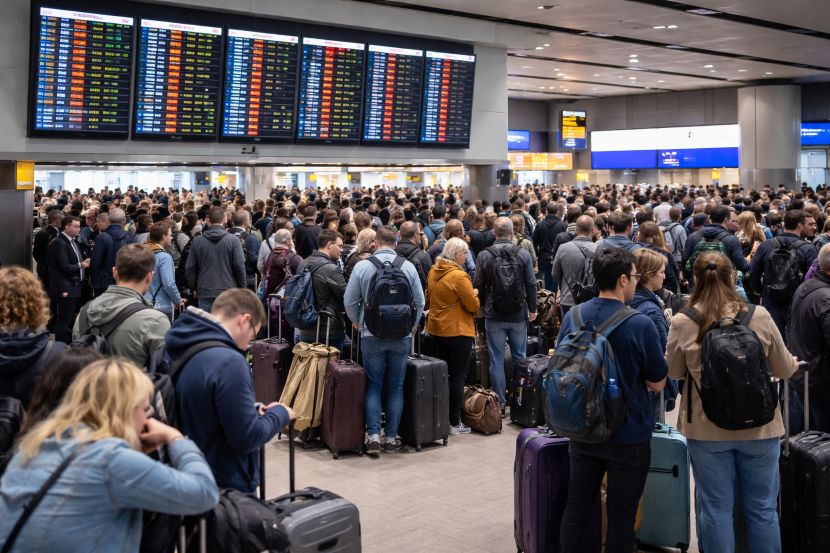
The article reports on significant travel disruptions affecting major UK airports, including London Heathrow, Gatwick, Manchester, Birmingham International, and London City. These disruptions, caused by 420 flight delays and 27 cancellations, involve major airlines such as British Airways, EasyJet, Ryanair, Air France, and Lufthansa. The disruptions are detailed in a news piece published on February 20, 2026, highlighting the challenges faced by passengers and the broader implications for the UK air travel industry.
Key Points:
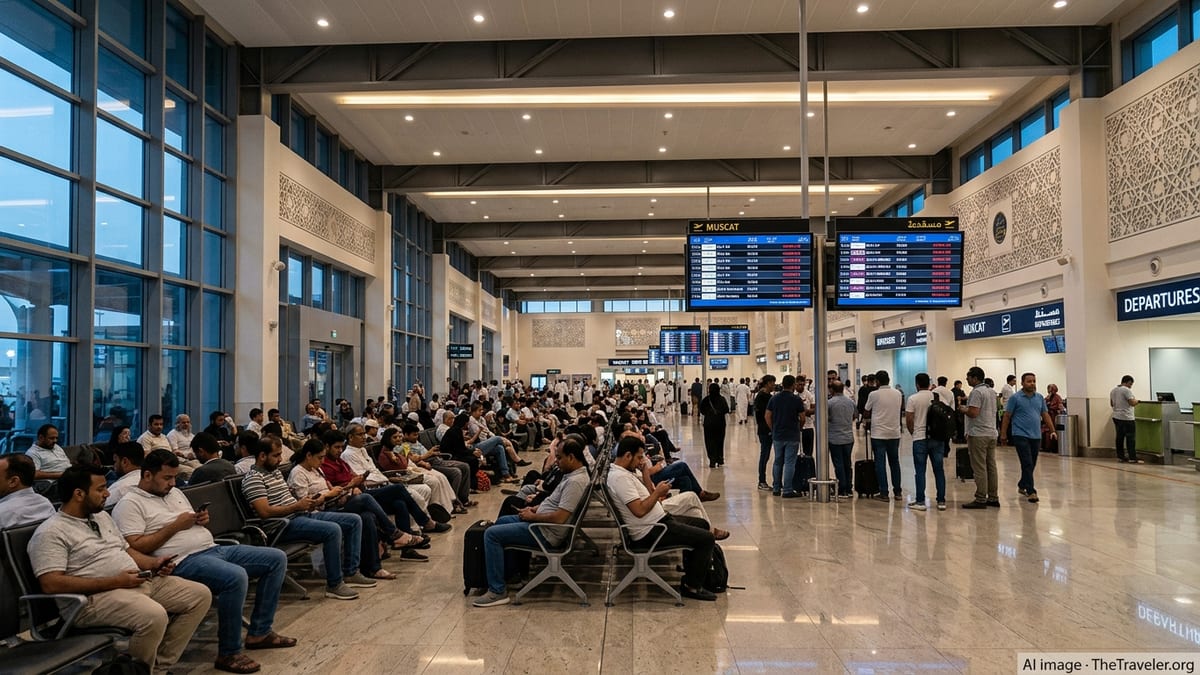
Extensive Flight Disruptions: The article reports 420 flight delays and 27 cancellations across several major UK airports, impacting passengers traveling to and from London Heathrow, Gatwick, Manchester, Birmingham International, and London City.
Major Airlines Affected: The disruptions involve key airlines including British Airways, EasyJet, Ryanair, Air France, and Lufthansa, indicating a widespread impact on the UK aviation sector.
Publication Date: The article was published on February 20, 2026, providing a current snapshot of travel disruptions in the UK.
Actionable Takeaways:
Enhanced Passenger Communication Systems: Given the widespread flight disruptions, airlines and airports should invest in advanced passenger communication systems to provide real-time updates and minimize passenger inconvenience. This could involve integrating AI-driven chatbots or mobile apps that offer real-time flight status updates and alternative travel options.
Strategic Partnerships for Resilience: Airlines and airports should explore strategic partnerships to enhance operational resilience. Collaborations with other airlines or logistics providers could help redistribute resources and manage unexpected disruptions more effectively, ensuring smoother operations during peak travel times.
Investment in Technology for Predictive Analytics: To mitigate future disruptions, the travel industry should invest in predictive analytics technologies. By leveraging data analytics and machine learning, airlines and airports can better forecast potential disruptions, allowing for proactive measures such as adjusting flight schedules or reallocating resources to handle unexpected delays or cancellations.
Contextual Understanding:
The article reflects the ongoing challenges faced by the UK air travel industry, particularly in managing large-scale disruptions that affect multiple airports simultaneously. The involvement of major airlines underscores the systemic nature of these issues, suggesting that they are not isolated incidents but part of broader operational challenges. The publication date indicates that these disruptions are recent, highlighting the need for immediate and strategic responses from industry stakeholders.
In the context of current travel trends, the article underscores the importance of technological innovation in enhancing operational efficiency and passenger experience. The integration of AI and predictive analytics is a growing trend in the travel industry, aimed at improving real-time decision-making and enhancing resilience against unforeseen disruptions. Additionally, the article reflects the increasing importance of passenger communication in managing expectations and reducing the impact of travel disruptions.
Handling Different Article Types:
The article in question is a news blurb, providing a concise overview of a significant event affecting the UK air travel industry. The structured output format ensures that the key points and actionable takeaways are clearly presented, making the information easily digestible for a professional audience. The contextual insights integrate the latest travel trends and expert opinions, emphasizing the role of technology and strategic partnerships in addressing current industry challenges.
Read the Complete Article.
Get curated travel AI insights — choose the newsletters that matter to you.
This spot is reserved for brands with a compelling story for the travel trade. They use this space to cut...
Read moreDetailsTravel One Technologies launches the world’s first Traveler DNA Platform, targeting the structural data gap at the core of an...
Read moreDetails