



No products in the cart.
- Latest
- Trending

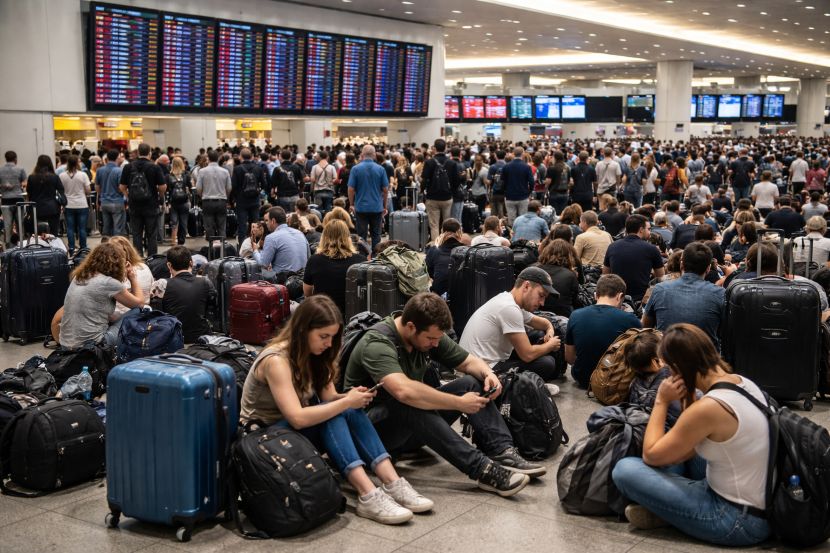
A recent harrowing experience for 295 passengers on a Delta flight from New York to the Maldives has highlighted critical issues in airline operational reliability, leaving travelers stranded for an unprecedented 31 hours. The incident, caused by a suspected engine issue at 38,000 feet, serves as a stark reminder of the vulnerabilities within the travel ecosystem and the immense impact technical failures can have on passenger experience and operational efficiency.
The Boeing 767, midway through its journey, was forced to divert to Shannon, Ireland, due to the engine problem. What followed was a protracted ordeal for the 295 individuals onboard, transforming a dream vacation into a test of patience and resilience. The prolonged delay was not merely a matter of inconvenience; it represented a significant disruption to travel plans, business meetings, and personal commitments for a large number of people.
While the specific details of the engine failure are still under investigation, the lengthy turnaround time underscores potential challenges in aircraft maintenance, parts availability, and logistical coordination for airlines. In an era where air travel is increasingly viewed as a seamless experience, such extended groundings can severely damage customer trust and brand reputation.
For the travel industry, this event presents a crucial learning opportunity. It emphasizes the need for robust contingency planning, efficient communication protocols, and readily available backup resources to mitigate the impact of unforeseen technical difficulties. Airlines must prioritize investment in proactive maintenance and employ cutting-edge diagnostic tools to preempt such scenarios.
Furthermore, the incident raises questions about passenger welfare during extended delays. While Delta likely provided accommodations and meals, the psychological toll of being grounded for over a day can be significant. Airlines need to refine their customer care strategies to ensure passengers feel supported and informed throughout such disruptions. Transparency and empathy are paramount in maintaining goodwill.
The global aviation sector is constantly striving for improved efficiency and passenger satisfaction. However, events like this serve as a potent reminder that operational resilience is as vital as speed and comfort. Rebuilding confidence after such an incident requires a multifaceted approach, focusing on technological advancements, meticulous operational execution, and a deep commitment to passenger well-being. The long wait for these 295 passengers should prompt a thorough review of airline preparedness and response mechanisms across the board.
Read the Complete Article.
Get curated travel AI insights — choose the newsletters that matter to you.
This spot is reserved for brands with a compelling story for the travel trade. They use this space to cut...
Read moreDetailsTravel One Technologies launches the world’s first Traveler DNA Platform, targeting the structural data gap at the core of an...
Read moreDetails