











Sail Through Time: Discover the Timeless Wonders of Upper Egypt Aboard Kenzy Dahabeya
Experience the magic of the Nile aboard Kenzy Dahabeya, a luxury boutique sailing cruise that offers an unforgettable journey between...
Read moreDetails
NYSE:DAL Insider Trading Volume June 13th 2025
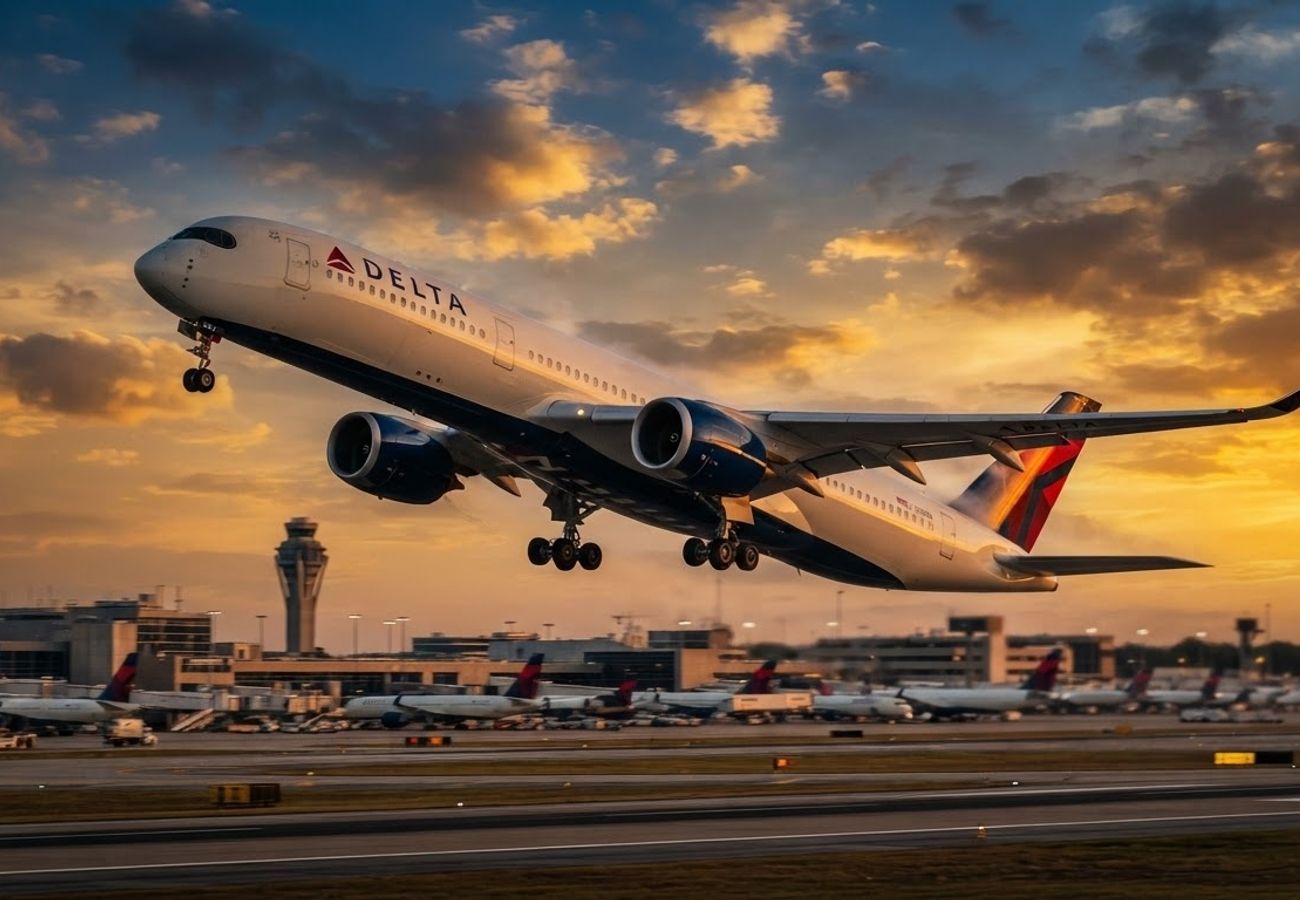
Delta Air Lines, a titan of the skies, is currently presenting a complex picture for both investors and everyday travelers. Recent financial analyses reveal a series of signals that warrant attention, suggesting potential shifts in the airline’s trajectory. Understanding these indicators is crucial for anyone interested in the future of air travel and Delta’s performance.
One of the primary concerns highlighted is the potential for a "bearish" market signal, a term used by financial analysts to describe a situation where stock prices are expected to decline. This outlook is often influenced by a variety of economic and industry-specific factors. For Delta, this could translate into a period of price sensitivity for consumers, potentially offering more competitive fares as the airline aims to stimulate demand amidst anticipated challenges. However, it also signals caution for those holding Delta stock, suggesting a period of potential volatility.
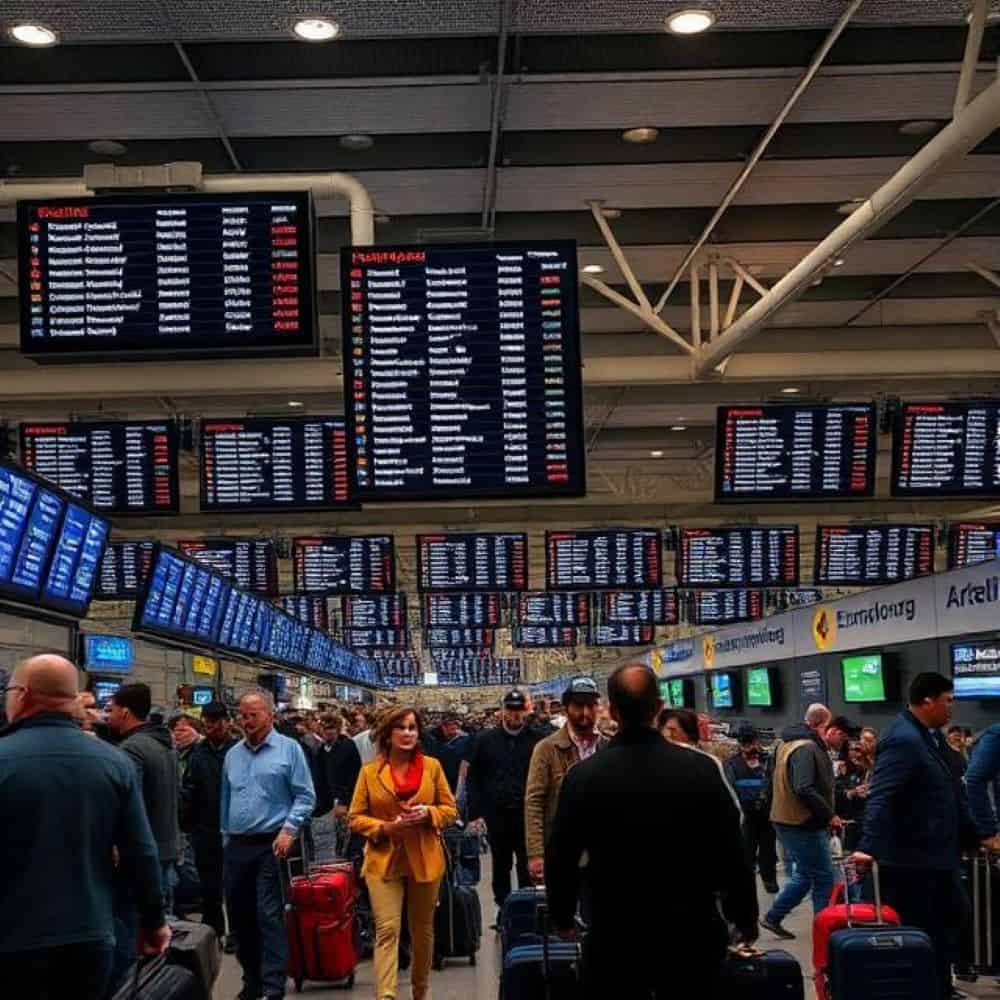
The article points to several key areas influencing this outlook. A slowdown in corporate travel spending is a significant factor. As businesses tighten their belts in response to economic uncertainties, fewer employees are taking to the skies for meetings and conferences. This reduction in a traditionally lucrative segment of the market can have a ripple effect on an airline’s overall revenue and profitability. For travelers, this might mean a more dynamic pricing environment, with potential opportunities for deals, especially on routes that heavily rely on business passengers.
Furthermore, the report touches upon the ongoing inflationary pressures impacting the broader economy. While inflation can sometimes lead to higher ticket prices as airlines pass on increased costs, it can also dampen consumer spending on discretionary items like travel. This delicate balancing act means Delta, like its competitors, must carefully manage its pricing strategies to remain attractive to a wider audience. Travelers might find themselves scrutinizing their travel budgets more closely, seeking out the best value for their money.
Despite these potential headwinds, it’s important to note that the airline industry is inherently cyclical and resilient. Airlines often adapt to changing market conditions by optimizing their routes, focusing on cost efficiencies, and exploring new revenue streams. Delta’s ability to navigate these current signals will depend on its strategic decisions in the coming months. For travelers, staying informed about market trends and booking in advance can often secure more favorable prices, regardless of broader economic trends. The airline industry is a constant dance between supply, demand, and external economic forces, and Delta’s current signals are a reminder of this intricate interplay.
Read the Complete Article.
Experience the magic of the Nile aboard Kenzy Dahabeya, a luxury boutique sailing cruise that offers an unforgettable journey between...
Read moreDetails



