



No products in the cart.
- Latest
- Trending

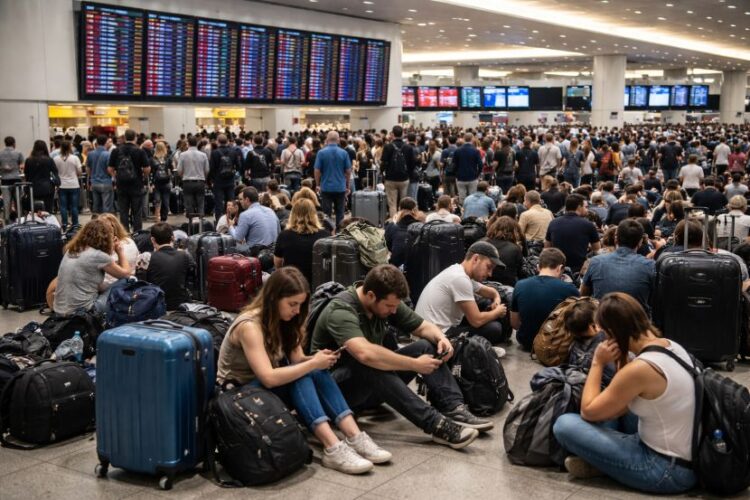
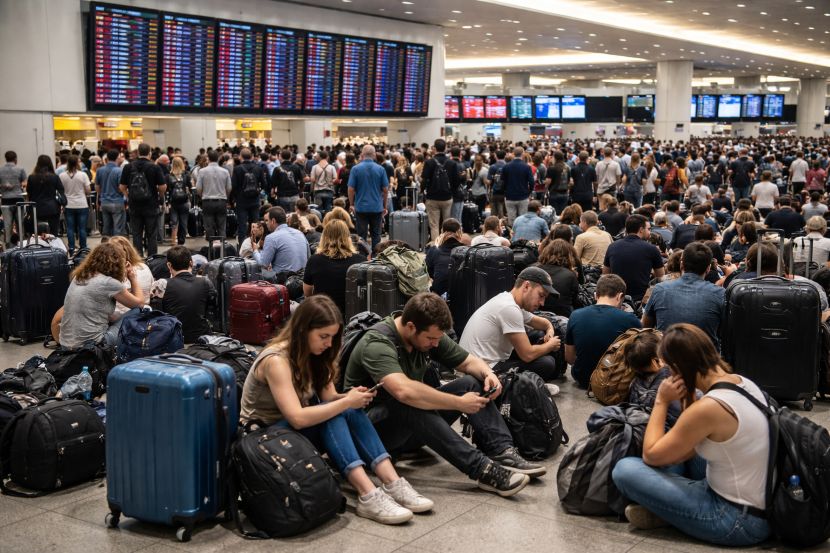
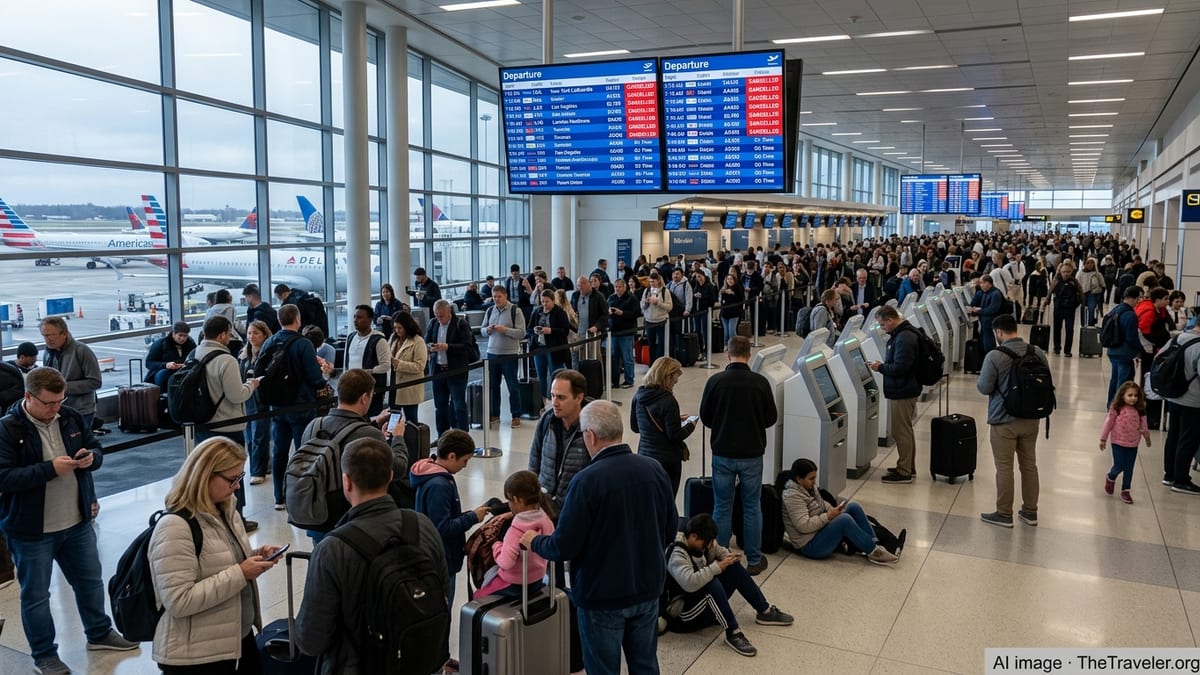
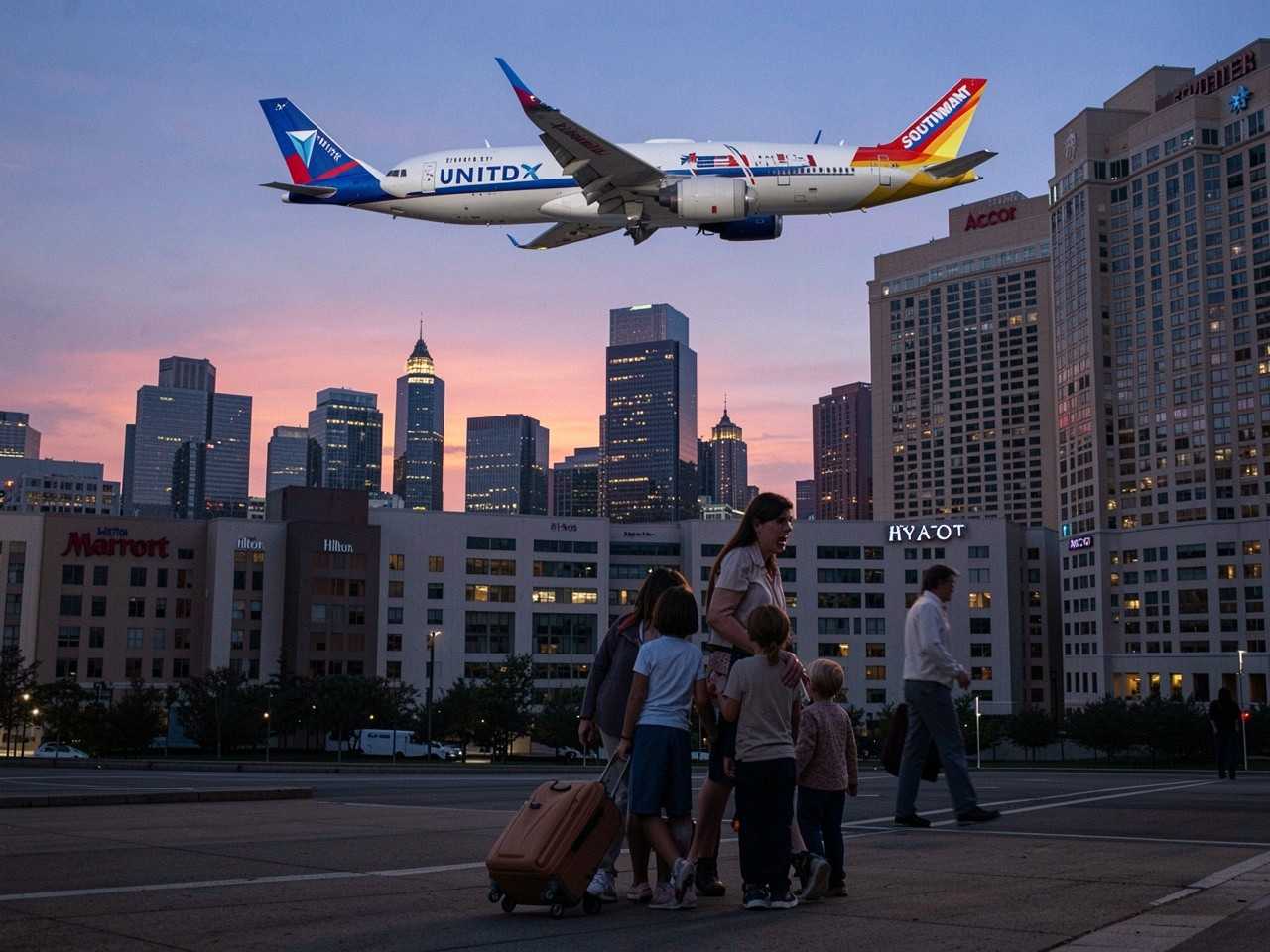
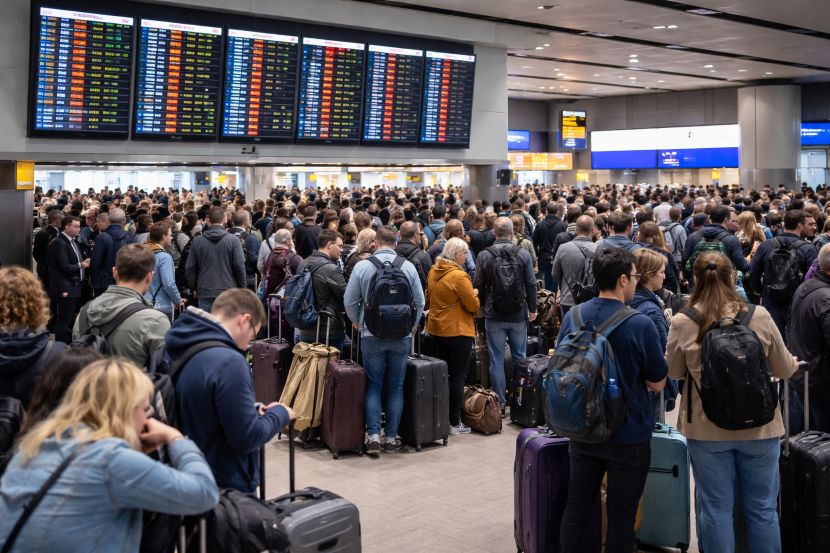
Hundreds of Passengers Left Stranded at Hartsfield-Jackson Atlanta International Airport as Delta, S...
Comprehensive Summarization:
The article reports significant travel disruptions at Hartsfield-Jackson Atlanta International Airport (ATL), where Delta, Spirit, American Airlines, and Southwest Airlines collectively faced 190 flight delays and 34 cancellations across major US cities including New York, Miami, and Chicago. This disruption highlights the vulnerability of major airports to operational challenges, impacting thousands of passengers. The article underscores the critical need for robust travel tech solutions to manage such disruptions efficiently, reflecting current industry trends and the importance of real-time data analytics and flexible scheduling in the travel sector.
Key Points:
Actionable Takeaways:
Invest in Advanced Travel Tech Solutions: Implement real-time data analytics and flexible scheduling systems to mitigate the impact of flight disruptions. This investment can enhance operational efficiency and improve passenger experience during unforeseen events.
Enhance Communication Protocols: Develop and refine communication strategies to promptly inform passengers of delays and cancellations. Clear and timely communication can reduce passenger frustration and improve overall satisfaction.
Focus on Resilience Planning: Develop comprehensive contingency plans for major airports to handle unexpected disruptions. This includes backup staffing, alternative routing options, and partnerships with other airlines to manage load balancing effectively.
Contextual Insights:
The disruptions at ATL reflect broader challenges within the travel industry, particularly the reliance on a few major hubs that can become bottlenecks during peak travel times. The article aligns with current industry trends emphasizing the need for technological innovation to enhance resilience and adaptability. Thought leaders in travel tech are increasingly advocating for the integration of AI and machine learning to predict and manage disruptions proactively. This incident serves as a reminder of the critical role that technology plays in modernizing travel operations and ensuring passenger safety and satisfaction. As the industry continues to evolve, startups focusing on travel tech solutions are likely to gain traction, offering innovative approaches to manage operational challenges and improve service delivery.
Read the Complete Article.
Get curated travel AI insights — choose the newsletters that matter to you.
This spot is reserved for brands with a compelling story for the travel trade. They use this space to cut...
Read moreDetailsTravel One Technologies launches the world’s first Traveler DNA Platform, targeting the structural data gap at the core of an...
Read moreDetails