









No products in the cart.
- Latest
- Trending

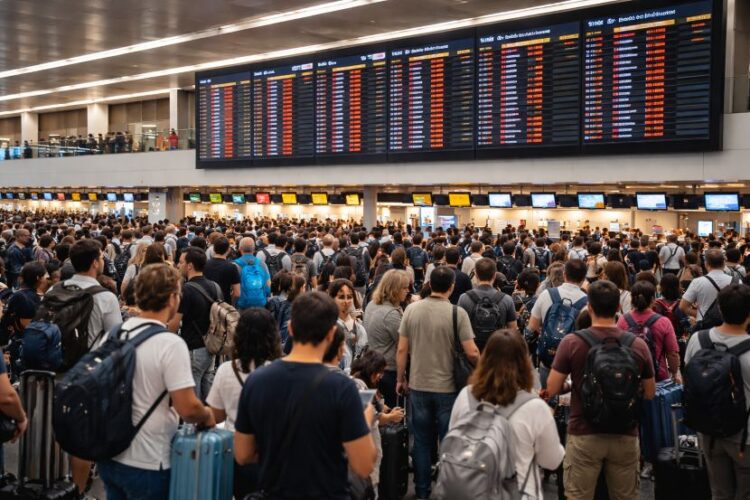
Travel Disruptions at Ministro Pistarini Airport Affect Buenos Aires, São Paulo, Miami, and New York...
Comprehensive Summarization:
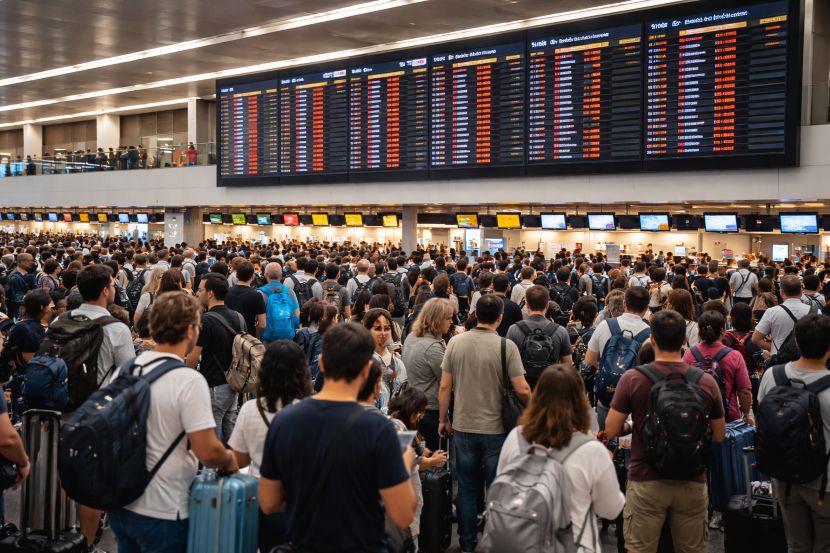
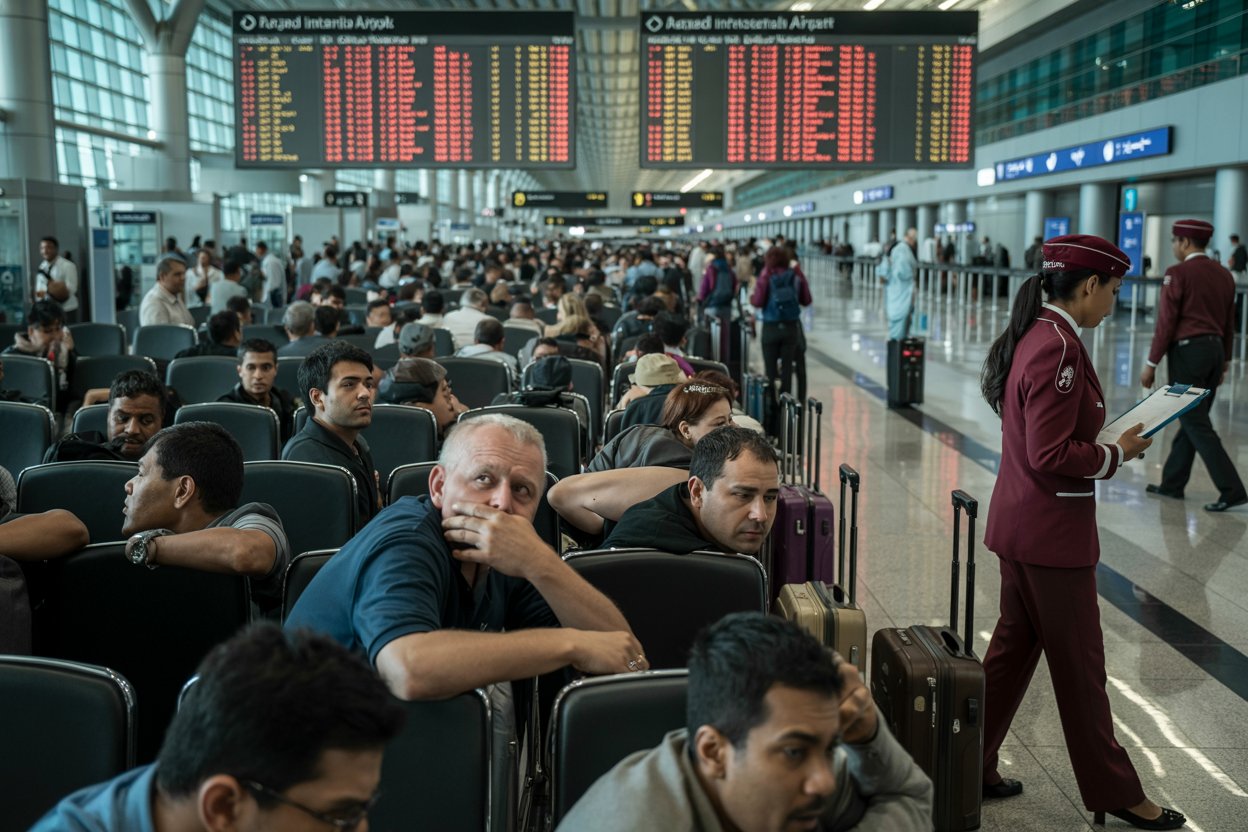
The article reports significant travel disruptions at Ministro Pistarini International Airport (Ezeiza) in Buenos Aires, Argentina, on March 23, 2026. The disruptions, affecting Ministro Pistarini Airport in Buenos Aires, São Paulo, Miami, and New York, involve Flybondi, Aerolineas Argentinas, Delta Air Lines, and Ethiopian Airlines. There were a total of 17 disruptions, including 6 cancellations and 11 delays. The disruptions highlight ongoing challenges in the travel sector, impacting major airlines and potentially affecting thousands of travelers across these key destinations.
Key Points:
Actionable Takeaways:
Enhanced Communication Strategies: Airlines should improve communication with travelers regarding potential disruptions. Clear and timely updates can help manage traveler expectations and reduce anxiety, which is crucial in maintaining customer satisfaction during travel disruptions.
Investment in Resilient IT Systems: The article underscores the importance of robust IT systems in managing disruptions. Airlines and airports should invest in advanced technologies to monitor and predict potential issues, allowing for proactive management of disruptions rather than reactive responses.
Focus on Customer Experience Recovery: Airlines should prioritize customer experience recovery by offering compensation or alternative travel options to affected passengers. This not only helps in retaining customer loyalty but also in mitigating the negative impact of disruptions on the airline’s reputation.
Contextual Insights:
The disruptions at Ministro Pistarini Airport reflect broader challenges within the global travel industry, particularly in managing operational complexities across multiple time zones and destinations. The article highlights the need for airlines to adopt innovative technologies and strategies to mitigate such disruptions. Current travel trends indicate a growing emphasis on digital solutions and customer-centric approaches to enhance resilience in the face of operational challenges. Thought leaders emphasize the importance of leveraging data analytics and AI to anticipate and manage disruptions effectively, ensuring a seamless travel experience for passengers. This context underscores the necessity for the travel industry to continuously evolve and adapt to maintain operational efficiency and customer satisfaction.
Read the Complete Article.
Get curated travel AI insights — choose the newsletters that matter to you.
This spot is reserved for brands with a compelling story for the travel trade. They use this space to cut...
Read moreDetailsTravel One Technologies launches the world’s first Traveler DNA Platform, targeting the structural data gap at the core of an...
Read moreDetails