




No products in the cart.
- Latest
- Trending

Breathtaking pictures of Nupur Sanon and Stebin Ben's stylish Hindu wedding
Article Summary:
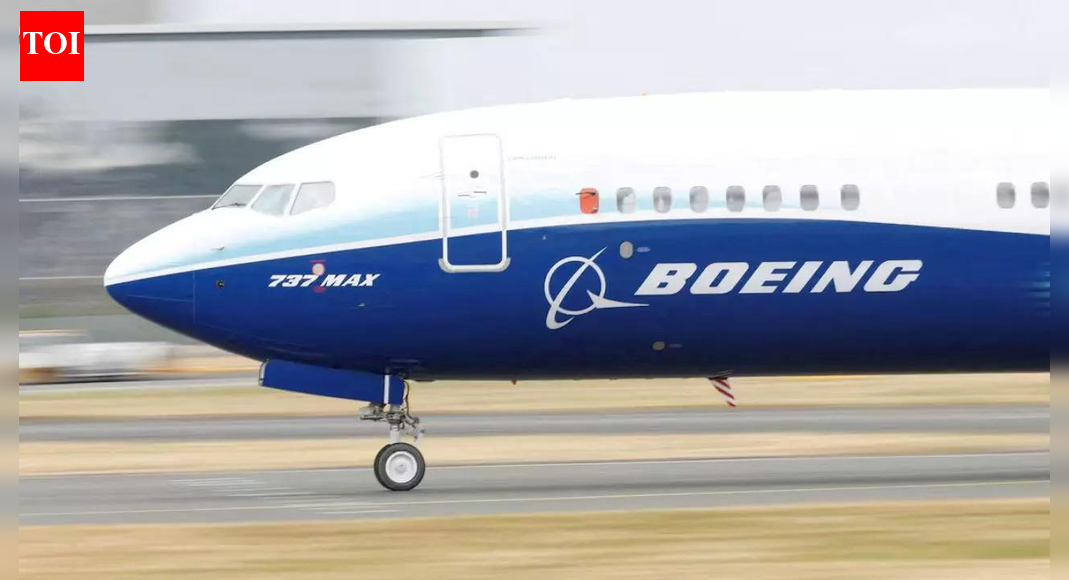
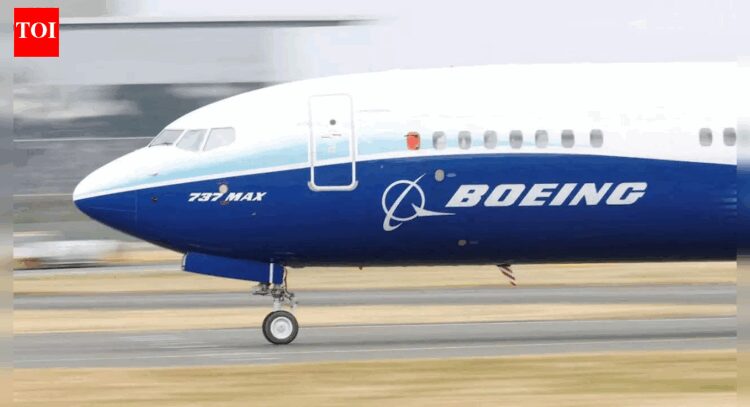
On Monday, a US federal court in Chicago commenced a second damages trial against Boeing concerning the fatal 2019 Ethiopian Airlines Flight 302 crash. The plaintiff, Manant Vaidya, is seeking compensation for the loss of his sister and parents, who were among the 157 people killed in the crash. The case highlights ongoing legal challenges and compensation claims related to Boeing’s 737 MAX aircraft following the series of incidents involving this model.
Key Points:
Actionable Takeaways:
Contextual Insights:
The article reflects the current challenges faced by the aviation industry, particularly in the aftermath of multiple incidents involving the Boeing 737 MAX. It underscores the importance of stringent safety measures and regulatory compliance in the aerospace sector. The legal battles also highlight the need for transparency and accountability in the manufacturing and operation of commercial aircraft. Looking forward, the travel industry may see increased emphasis on safety innovations and enhanced regulatory oversight to prevent similar incidents in the future. Additionally, the case serves as a reminder for travel companies to invest in comprehensive insurance and compensation frameworks to protect passengers and maintain trust in the industry.
Read the Complete Article.
Get curated travel AI insights — choose the newsletters that matter to you.
This spot is reserved for brands with a compelling story for the travel trade. They use this space to cut...
Read moreDetailsTravel One Technologies launches the world’s first Traveler DNA Platform, targeting the structural data gap at the core of an...
Read moreDetails