










No products in the cart.
- Latest
- Trending


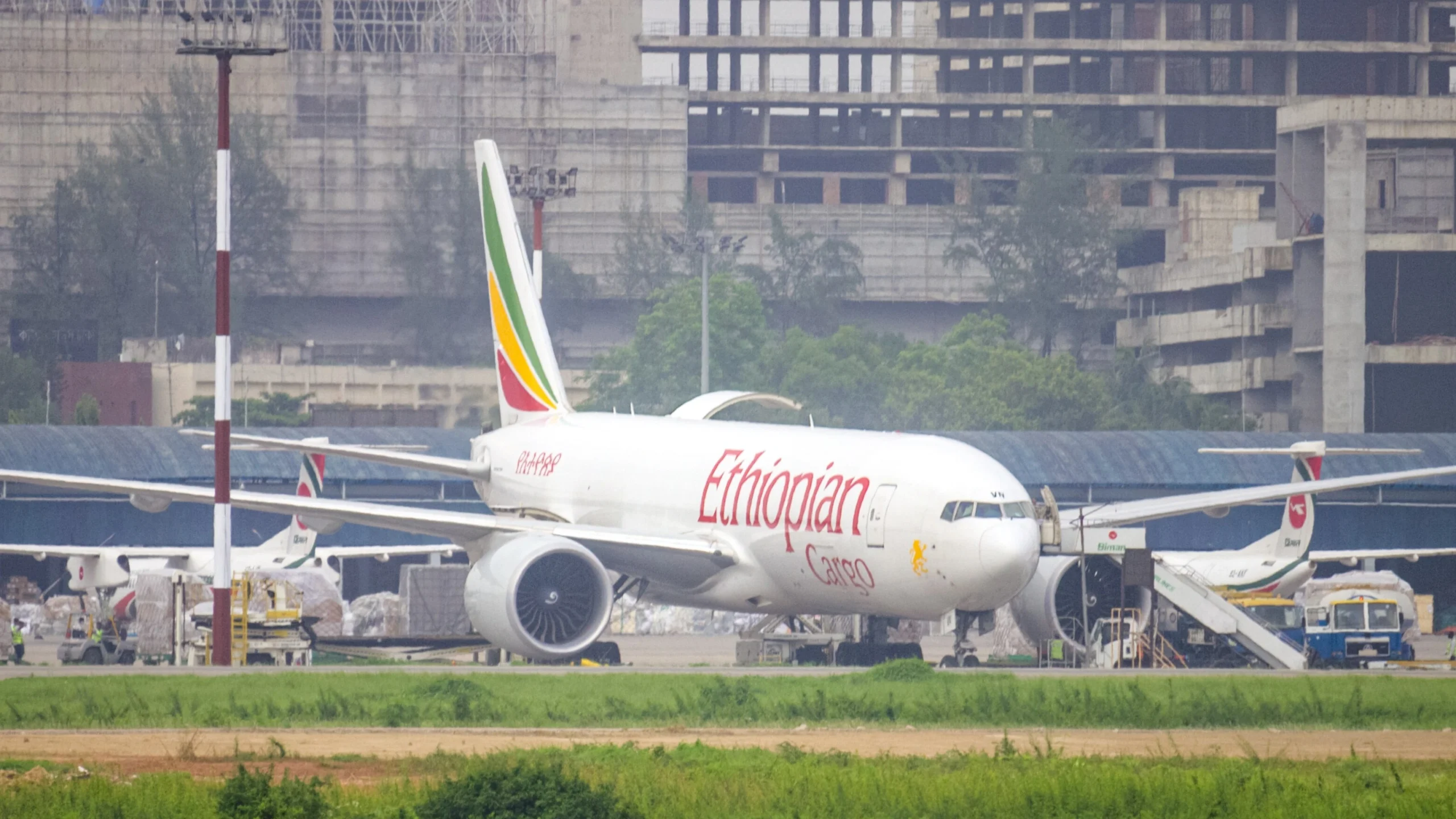
Photo: Windmemories via Wikimedia Commons
Comprehensive Summarization:
On January 13, 2026, Budapest Liszt Ferenc International Airport (BUD) experienced significant operational disruption due to wild winter weather, including heavy freezing rain and black ice. The adverse conditions led to a notable incident where Ethiopian Airlines (ET) flight ET3707, operated by a Boeing 777F freighter, skidded off the icy taxiway and came to rest in a grassy verge beside Taxiway A6. This unexpected excursion resulted in flight delays and temporary closures, highlighting the challenges faced by the airport in managing winter weather disruptions. The article underscores the importance of robust winter response operations and the potential impact of severe weather on airport operations and travel schedules.
Key Points:
Actionable Takeaways:
Enhanced Winter Weather Preparedness: Airports should invest in advanced weather monitoring systems and improve winter response operations to minimize disruptions caused by severe weather. This includes ensuring runway safety, managing taxiway conditions, and having contingency plans for flight delays and closures.
Integration of Advanced Technologies: The use of technology, such as real-time weather tracking and predictive analytics, can help airports anticipate and mitigate the impact of winter weather disruptions. Implementing these technologies can enhance operational efficiency and improve passenger experience during adverse weather conditions.
Collaboration with Airlines and Service Providers: Close collaboration between airports, airlines, and service providers is crucial during winter weather disruptions. Sharing real-time data and coordinating response efforts can help minimize delays and ensure smoother operations.
Contextual Insights:
The incident at Budapest Liszt Ferenc International Airport highlights the ongoing challenges faced by the travel industry in managing severe winter weather conditions. Recent trends indicate an increased focus on enhancing operational resilience and leveraging technology to improve weather-related response capabilities. Thought leaders emphasize the importance of proactive measures, such as advanced weather forecasting and real-time communication, to mitigate the impact of winter weather on airport operations. As climate change continues to affect weather patterns, the travel industry must adapt by investing in robust infrastructure, innovative technologies, and collaborative strategies to ensure safety and efficiency during extreme weather events. This forward-looking perspective underscores the need for continuous improvement in airport operations to meet the evolving demands of the travel industry.
Read the Complete Article.
Get curated travel AI insights — choose the newsletters that matter to you.
This spot is reserved for brands with a compelling story for the travel trade. They use this space to cut...
Read moreDetailsTravel One Technologies launches the world’s first Traveler DNA Platform, targeting the structural data gap at the core of an...
Read moreDetails