









No products in the cart.
- Latest
- Trending

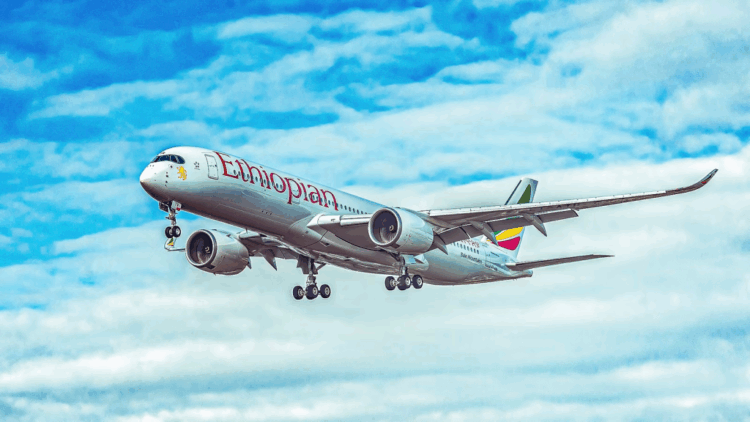
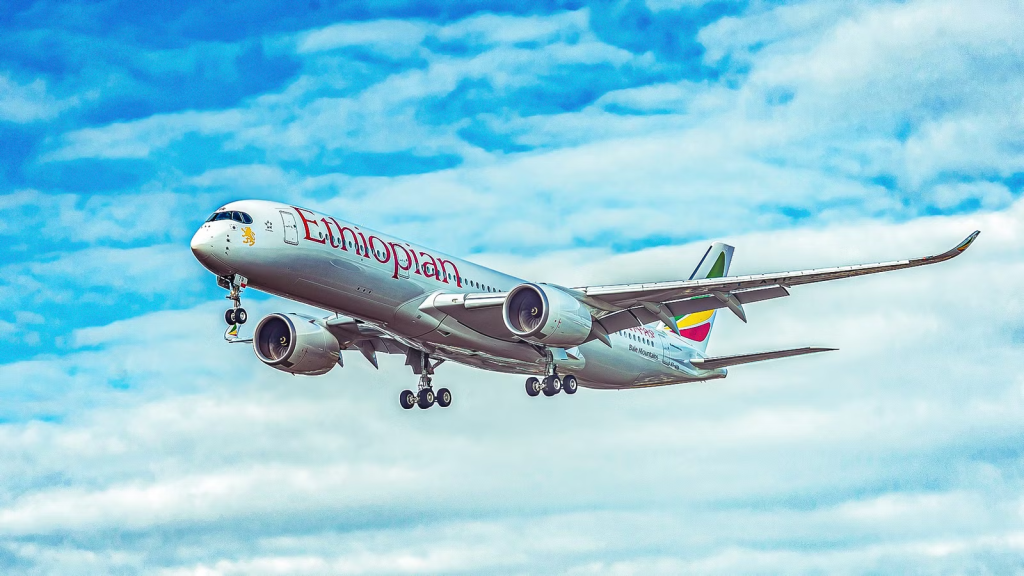
Ethiopian Airlines’s building Africa’s first mega-hub with $12.5bn airport – Business A.M
Article Summary:
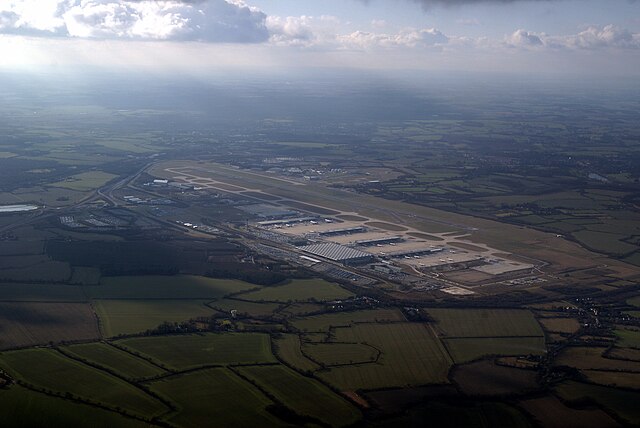
Ethiopian Airlines is spearheading a $12.5 billion project to build Africa’s first mega-hub airport, set to become the largest in the continent by 2030. This new facility is expected to handle over 100 million passengers annually, addressing the current capacity constraints of the airline’s existing hub.
Key Points:
Actionable Takeaways:
Contextual Insights:
The development of Africa’s first mega-hub by Ethiopian Airlines reflects a broader trend in the travel industry towards expanding airport capacities to meet the rising demand for air travel. As global passenger numbers continue to grow, airports are increasingly investing in mega-hub projects to ensure they can handle the influx of travelers. This initiative by Ethiopian Airlines not only positions the airline as a key player in the African aviation sector but also sets a precedent for other airlines to consider similar large-scale projects. Furthermore, the focus on passenger capacity aligns with the industry’s ongoing efforts to enhance travel efficiency and passenger experience, leveraging technology and innovation to overcome existing infrastructure limitations. This development is likely to have a ripple effect across the African aviation landscape, potentially spurring further investments in airport infrastructure and fostering a more interconnected and efficient travel network across the continent.
Read the Complete Article.
Get curated travel AI insights — choose the newsletters that matter to you.
This spot is reserved for brands with a compelling story for the travel trade. They use this space to cut...
Read moreDetailsTravel One Technologies launches the world’s first Traveler DNA Platform, targeting the structural data gap at the core of an...
Read moreDetails