








No products in the cart.
- Latest
- Trending

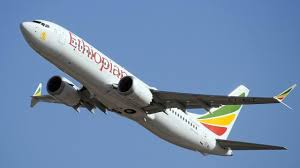
Ethiopian Airlines plans route expansion, orders 9 Boeing 787-9 dreamliner airplanes
Comprehensive Summarization:
Ethiopian Airlines Group has announced the acquisition of nine Boeing 787-9 aircrafts, with deliveries scheduled between 2031 and 2033. This strategic move aims to bolster the airline’s connectivity and expand its route network. The announcement was made by Ethiopian Airlines Group Chief Executive Officer, Mr. Mesfin Tasew, during a statement in Lagos. The acquisition reflects a commitment to enhancing the airline’s operational capabilities and connectivity, aligning with broader industry trends towards expanding air travel networks and improving passenger experience.
Key Points:
Actionable Takeaways:
Strategic Expansion: The acquisition of nine Boeing 787-9 aircrafts signifies Ethiopian Airlines’ strategic expansion plans. This move is likely to increase the airline’s capacity to serve more destinations, thereby enhancing its market presence and competitiveness in the global aviation sector. For stakeholders, this could indicate a robust growth trajectory for the airline, potentially leading to increased market share and revenue opportunities.
Focus on Connectivity: By enhancing its route network, Ethiopian Airlines is likely to improve connectivity for travelers, making it easier for passengers to reach various destinations. This could be particularly beneficial for business travelers and tourists looking to explore new regions. For industry observers, this move underscores the importance of connectivity in driving passenger demand and could serve as a benchmark for other airlines considering similar expansions.
Investment in Modern Fleet: The purchase of Boeing 787-9 aircrafts, known for their efficiency and passenger comfort, indicates Ethiopian Airlines’ investment in a modern fleet. This could lead to improved operational efficiency, reduced fuel consumption, and enhanced passenger experience. For the travel industry, this highlights the ongoing trend of airlines investing in newer, more efficient aircraft to meet rising passenger expectations and regulatory requirements.
Contextual Insights:
The announcement of Ethiopian Airlines’ aircraft acquisition aligns with current industry trends towards expanding air travel networks and improving passenger experience. As global travel rebounds post-pandemic, airlines are increasingly focusing on enhancing connectivity and operational efficiency to meet growing passenger demand. The acquisition of newer aircraft models, such as the Boeing 787-9, reflects a broader industry shift towards modernizing fleets to offer better fuel efficiency, passenger comfort, and reduced environmental impact.
Moreover, the strategic move by Ethiopian Airlines underscores the importance of route expansion in driving market growth. As airlines seek to capture new market segments and increase their global footprint, investments in aircraft acquisitions play a crucial role in expanding service offerings and reaching untapped markets. This trend is likely to continue as airlines explore new destinations and partnerships to diversify their route networks.
In the context of travel tech and fintech, the expansion plans of Ethiopian Airlines could also influence the development of travel-related services and innovations. For instance, increased connectivity may spur demand for travel booking platforms, loyalty programs, and digital payment solutions tailored to meet the needs of travelers accessing new routes. This could present opportunities for startups and established players in the travel tech sector to innovate and capture market share in the evolving travel landscape.
Handling Different Article Types:
The article in question is a news blurb, providing factual information about a significant development in the aviation sector. The structured output format ensures that the key points and actionable takeaways are clearly presented, making it easy for readers to digest and act upon the information. For opinion pieces or feature articles, the approach would involve analyzing the author’s perspective, evaluating the implications of the discussed trends or innovations, and providing insights that align with the article’s broader context and the current state of the travel industry.
Read the Complete Article.
Get curated travel AI insights — choose the newsletters that matter to you.
This spot is reserved for brands with a compelling story for the travel trade. They use this space to cut...
Read moreDetailsTravel One Technologies launches the world’s first Traveler DNA Platform, targeting the structural data gap at the core of an...
Read moreDetails