











No products in the cart.
- Latest
- Trending


New Warning for Travelers: Ethiopian Airlines Joins Global Safety Push with Power Bank Restrictions ...
Comprehensive Summarization:
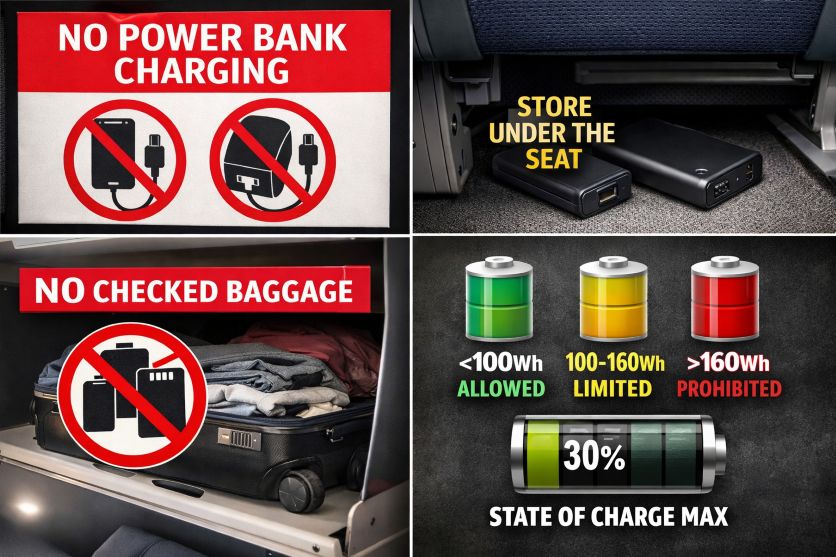
The article highlights a significant shift in aviation safety regulations, specifically targeting Ethiopian Airlines and several international carriers. These airlines have introduced stringent new rules regarding the transport and use of lithium-ion batteries. The primary objective is to prevent incidents such as lithium battery fires on flights, which pose a severe safety risk. This move is part of a broader global effort to enhance aviation safety standards, reflecting the evolving landscape of travel technology and regulatory compliance in the industry.
Key Points:
Actionable Takeaways:
Adherence to New Regulations: Travel companies and airlines should ensure compliance with the new regulations regarding lithium-ion batteries. This includes proper packaging, storage, and transportation of these items to mitigate fire risks during flights.
Investment in Battery Safety Technology: Companies in the travel industry should invest in developing and adopting advanced battery safety technologies. This could include innovations in battery design, containment systems, and monitoring technologies to prevent thermal runaway incidents.
Contextual Understanding:
The article reflects the ongoing global emphasis on enhancing aviation safety, particularly in the context of lithium battery safety. Recent events, such as incidents involving lithium battery fires on flights, have underscored the need for stricter regulations and safety measures. This context is crucial as the travel industry continues to evolve, integrating new technologies and adhering to stringent safety protocols. The insights provided align with current industry trends, emphasizing the importance of safety, innovation, and regulatory compliance in shaping the future of air travel.
Handling Different Article Types:
The article in question is a news blurb, providing factual information about recent developments in aviation safety regulations. The summary, key points, and actionable takeaways are structured to reflect the concise and factual nature of the content. For opinion pieces or feature articles, the approach would involve analyzing the author’s perspective, evaluating the implications of the discussed trends or innovations, and providing forward-looking insights based on the presented information. However, in this case, the factual nature of the article necessitates a straightforward and direct presentation of the key points and actionable recommendations.
Read the Complete Article.
Get curated travel AI insights — choose the newsletters that matter to you.
This spot is reserved for brands with a compelling story for the travel trade. They use this space to cut...
Read moreDetailsTravel One Technologies launches the world’s first Traveler DNA Platform, targeting the structural data gap at the core of an...
Read moreDetails