



No products in the cart.
- Latest
- Trending

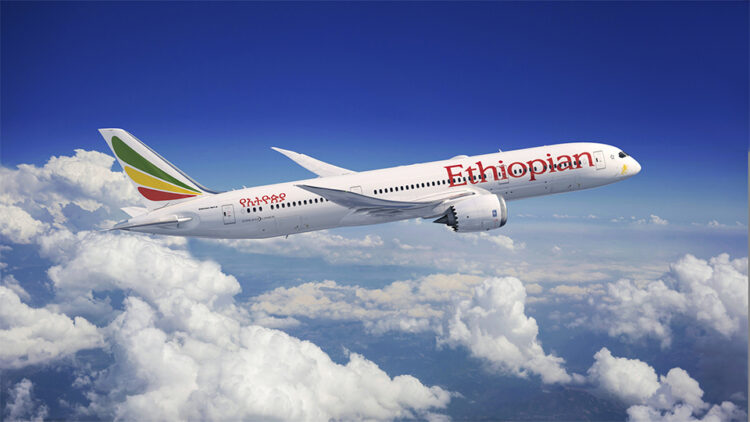
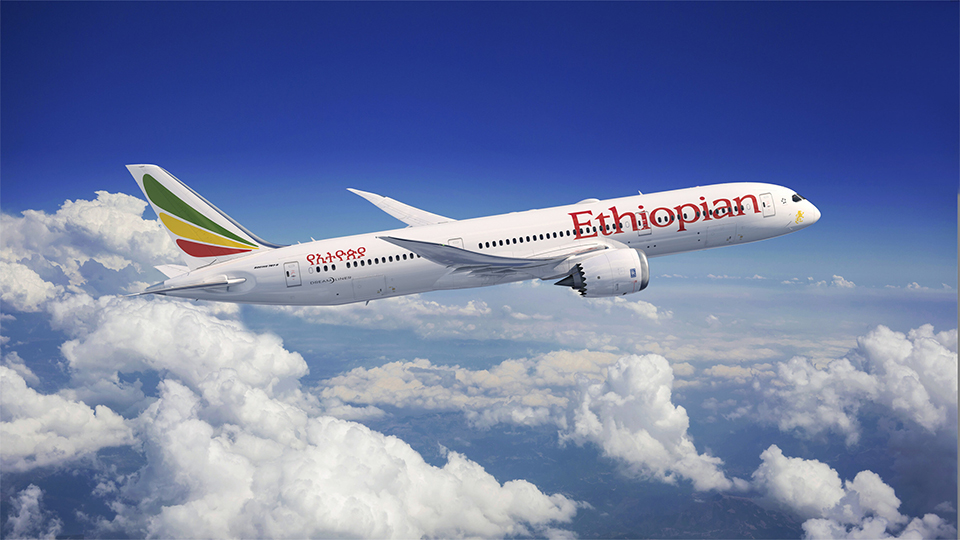
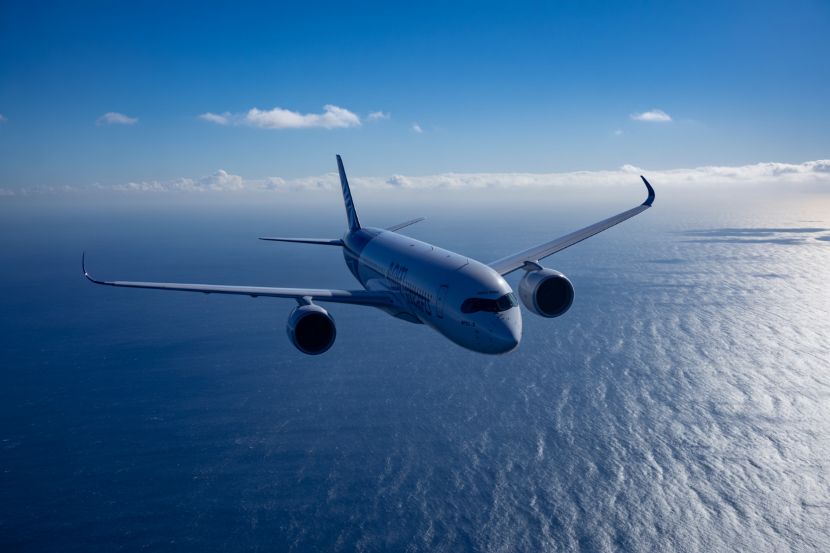
Ethiopian Airlines orders nine B787 Dreamliners
Comprehensive Summarization:
Ethiopian Airlines, the flag carrier of Ethiopia, has placed an order for nine Boeing 787 Dreamliner aircraft, reflecting the growing demand for long-haul travel. This announcement comes amid a broader trend in the airline industry where carriers are increasing orders for widebody aircraft to meet rising international travel demand. The aviation sector is witnessing a shift towards more fuel-efficient jets as airlines seek to manage rising operating costs and capacity constraints. The acquisition of these Boeing 787 Dreamliners is part of Ethiopian Airlines’ strategy to expand its fleet and enhance its long-haul capabilities.
Key Points:
Actionable Takeaways:
Increased Investment in Fuel-Efficient Aircraft: Airlines are increasingly investing in fuel-efficient aircraft to manage rising operational costs. This trend is driven by the need to balance profitability with environmental sustainability. Ethiopian Airlines’ order for Boeing 787 Dreamliners exemplifies this trend, as it seeks to enhance its long-haul capabilities while reducing fuel consumption.
Focus on Long-Haul Expansion: The aviation industry is witnessing a shift towards long-haul travel, driven by growing demand for international connectivity. Companies like Ethiopian Airlines are strategically expanding their long-haul fleets to meet this demand. This move not only enhances their service offerings but also positions them to capture a larger share of the lucrative long-haul market.
Technological Advancements in Aviation: The acquisition of widebody aircraft like the Boeing 787 Dreamliner highlights the ongoing technological advancements in the aviation sector. These aircraft are designed with fuel efficiency and passenger comfort in mind, reflecting broader industry trends towards innovation and sustainability. Airlines that invest in such technologies are likely to gain a competitive edge in the market.
Contextual Insights:
The article reflects the current state of the aviation industry, characterized by a surge in demand for long-haul travel and a push towards more fuel-efficient aircraft. This trend is influenced by several factors, including rising fuel prices, increasing environmental concerns, and the need for airlines to expand their service offerings to meet global connectivity demands. Ethiopian Airlines’ strategic decision to order nine Boeing 787 Dreamliners underscores the industry’s focus on balancing operational efficiency with passenger experience. As airlines continue to navigate the challenges of rising costs and capacity constraints, the adoption of advanced aircraft technologies will play a crucial role in shaping future growth and competitiveness. Moreover, the emphasis on long-haul travel aligns with broader industry trends towards global connectivity, suggesting that airlines that invest in expanding their long-haul capabilities are well-positioned to capitalize on emerging market opportunities.
Read the Complete Article.
Get curated travel AI insights — choose the newsletters that matter to you.
This spot is reserved for brands with a compelling story for the travel trade. They use this space to cut...
Read moreDetailsTravel One Technologies launches the world’s first Traveler DNA Platform, targeting the structural data gap at the core of an...
Read moreDetails