









No products in the cart.
- Latest
- Trending

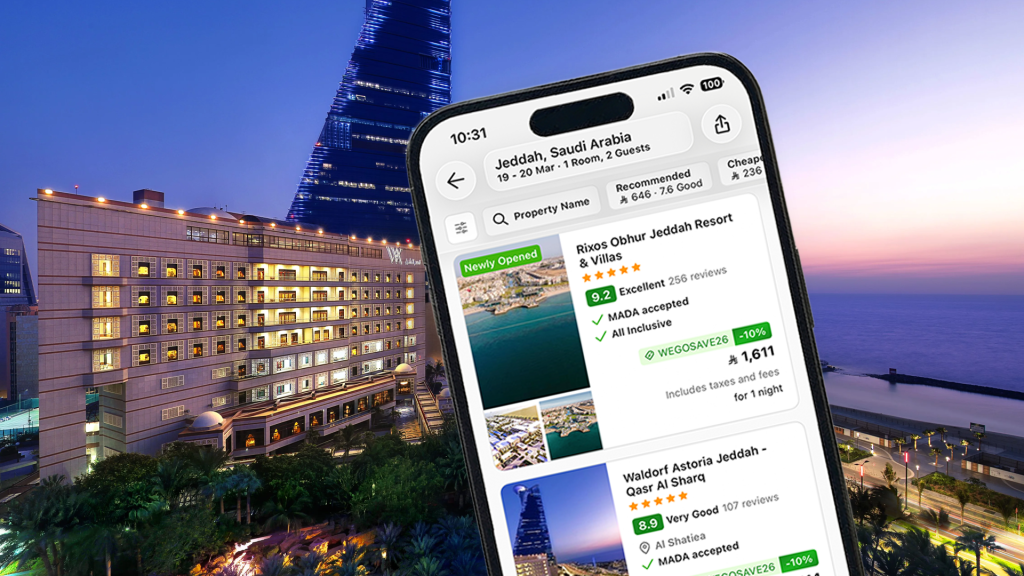
Travelers Stranded in Saudi Arabia and UAE including Jeddah, Riyadh, Dammam, Dubai with 15 Cancellat...
Article Summary:
The article reports significant disruptions in air travel across major airports in Saudi Arabia and the UAE, including Jeddah, Riyadh, Dammam, and Dubai. Over 15 flights were canceled, and 516 flights experienced delays, affecting airlines such as Saudia, FlyDubai, and Air Arabia. The disruptions are impacting major hubs like King Abdulaziz International Airport in Jeddah and King Khalid International Airport in Riyadh. The article highlights the extensive impact on travelers and the operational challenges faced by airlines in the region.
Key Points:
Actionable Takeaways:
Contextual Insights:
The article reflects the ongoing challenges faced by the aviation industry in the Middle East, particularly in regions with high travel volumes such as Saudi Arabia and the UAE. The disruptions underscore the importance of robust operational planning and contingency measures to handle unexpected events. From a broader perspective, the article highlights the need for continuous innovation in travel technology to improve resilience and customer experience. Thought leaders emphasize the role of advanced data analytics and AI-driven solutions in predicting and mitigating travel disruptions, which could become increasingly critical as travel volumes continue to rise. The current situation also highlights the potential for collaboration between airlines, airports, and technology providers to develop more resilient travel ecosystems.
Read the Complete Article.
Get curated travel AI insights — choose the newsletters that matter to you.
This spot is reserved for brands with a compelling story for the travel trade. They use this space to cut...
Read moreDetailsTravel One Technologies launches the world’s first Traveler DNA Platform, targeting the structural data gap at the core of an...
Read moreDetails