








No products in the cart.
- Latest
- Trending

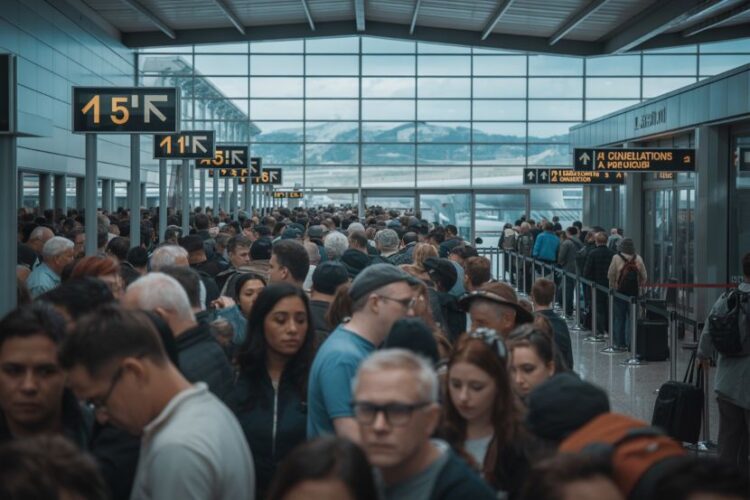
Chaos Strikes Saudi Arabia, Egypt, and UAE with 27 Flights Abandoned and 120 Delayed: FlyDubai, Saud...
Article Summary:
The article reports on severe weather conditions causing significant disruptions in air travel across Saudi Arabia, Egypt, and the UAE. FlyDubai, Saudia, and EgyptAir have canceled 27 flights and delayed 120, leading to considerable uncertainty for passengers. The disruption highlights the vulnerability of the travel industry to weather-related challenges and underscores the need for robust contingency planning and communication strategies.
Key Points:
Actionable Takeaways:
Enhanced Weather Monitoring Systems: Airlines should invest in advanced weather monitoring and predictive analytics systems to better anticipate and mitigate the impacts of severe weather on flight operations. This can help in making informed decisions about flight scheduling and passenger communication, reducing uncertainty and improving passenger experience.
Improved Passenger Communication Protocols: Airlines need to refine their communication protocols to promptly inform passengers about flight changes or cancellations. Clear, timely, and transparent communication can help manage passenger expectations and reduce anxiety, thereby enhancing customer satisfaction and loyalty.
Focus on Resilience Planning: The incident emphasizes the importance of resilience planning in the travel industry. Airlines should develop comprehensive contingency plans that include alternative routing, rebooking strategies, and support services for affected passengers. This proactive approach can minimize disruptions and ensure smoother recovery from weather-related disruptions.
Contextual Insights:
The recent weather-induced disruptions in air travel highlight the industry’s ongoing vulnerability to natural events. As climate change continues to impact global weather patterns, airlines must adapt by investing in resilient infrastructure, advanced technology solutions, and robust operational protocols. This situation also underscores the critical role of effective communication in managing passenger expectations and maintaining trust. Looking forward, the travel industry should prioritize innovations in weather forecasting and contingency planning to enhance operational resilience and improve the overall travel experience.
Read the Complete Article.
Get curated travel AI insights — choose the newsletters that matter to you.
This spot is reserved for brands with a compelling story for the travel trade. They use this space to cut...
Read moreDetailsTravel One Technologies launches the world’s first Traveler DNA Platform, targeting the structural data gap at the core of an...
Read moreDetails