










No products in the cart.
- Latest
- Trending

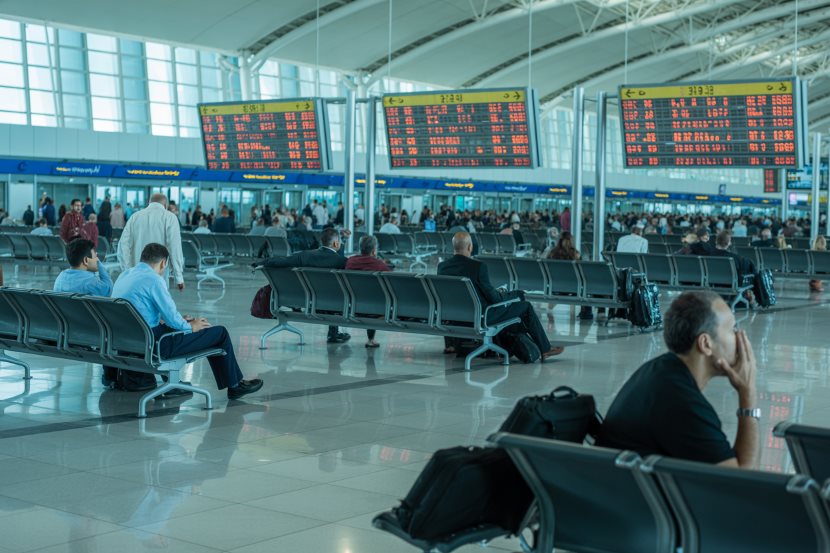
Passengers Stuck Across the Middle East, Including Saudi Arabia, UAE, Lebanon, and More, as 310 Flig...
Article Summary:
A significant travel disruption has occurred across the Middle East, affecting over 310 flights and causing 24 cancellations by major airlines including Saudia, FlyDubai, Emirates, and Etihad Airways. This disruption has left thousands of passengers stranded in major cities such as Beirut, Dubai, Riyadh, and beyond, causing considerable chaos. The article highlights the extensive impact on travel and tourism in the region, emphasizing the logistical challenges faced by affected travelers.
Key Points:
Actionable Takeaways:
Contextual Insights:
The recent travel disruptions in the Middle East underscore the vulnerabilities within the global travel infrastructure, particularly in regions prone to geopolitical and weather-related challenges. This incident highlights the critical need for robust contingency planning and communication strategies within the travel industry. As travel tech continues to evolve, innovations in real-time tracking and flexible booking policies are becoming increasingly essential. Thought leaders in the industry are advocating for greater collaboration between airlines, travel agencies, and technology providers to enhance resilience against such disruptions. The current situation also emphasizes the importance of robust customer support systems to manage the logistical challenges faced by stranded passengers, ensuring a smoother recovery and minimizing the long-term impact on the travel sector.
Read the Complete Article.
Get curated travel AI insights — choose the newsletters that matter to you.
This spot is reserved for brands with a compelling story for the travel trade. They use this space to cut...
Read moreDetailsTravel One Technologies launches the world’s first Traveler DNA Platform, targeting the structural data gap at the core of an...
Read moreDetails