






No products in the cart.
- Latest
- Trending

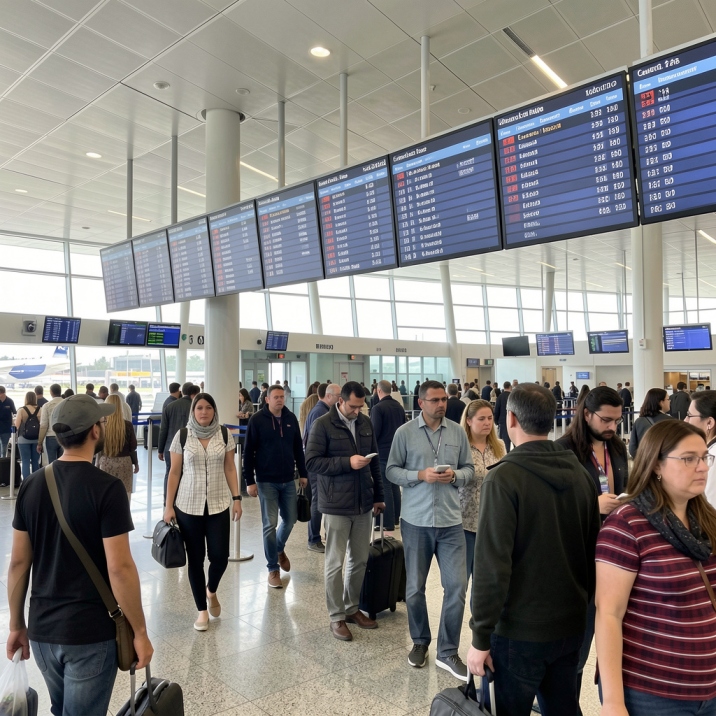
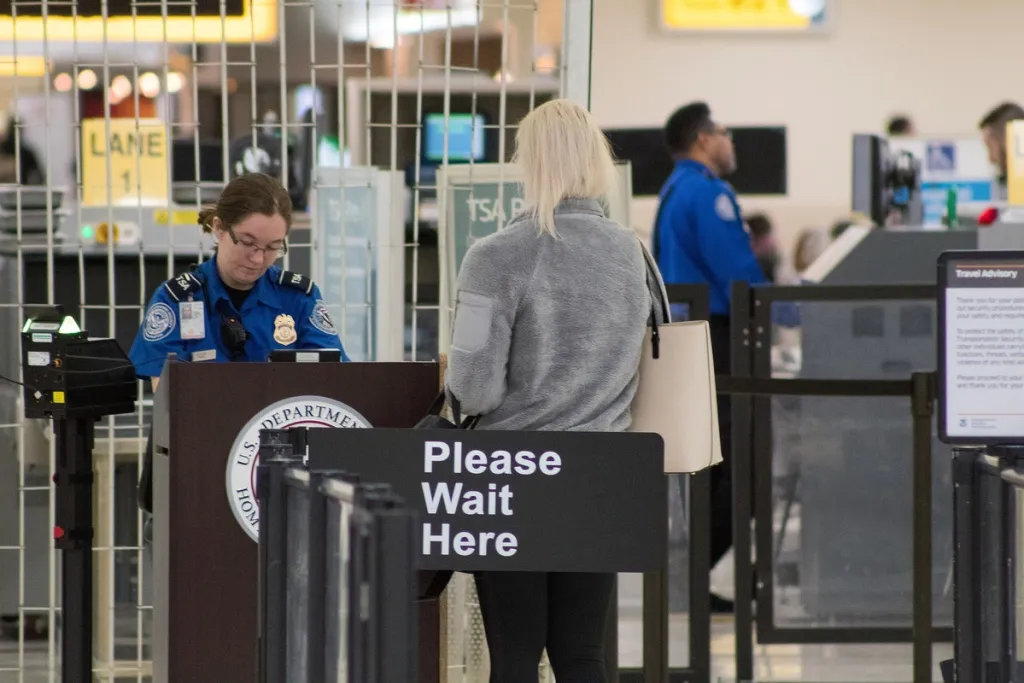
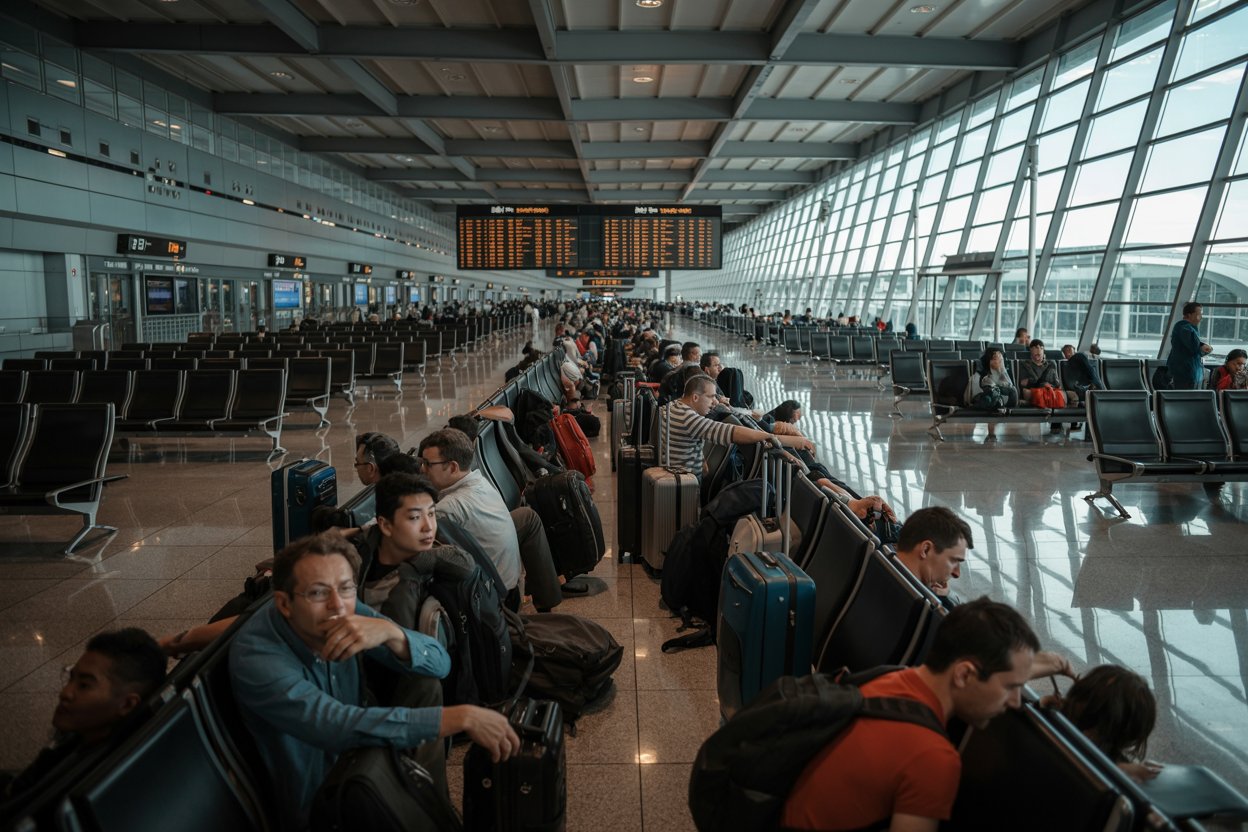
Passengers at Muharraq Experience Travel Disruption in Bahrain International Airport as Etihad Airwa...
Comprehensive Summarization:
The article reports significant travel disruptions at Bahrain International Airport in Muharraq, where 23 flights have been cancelled due to the ongoing Middle East conflict. The affected airlines include Etihad Airways, Qatar Airways, FlyDubai, Gulf Air, and several others. This disruption is part of a broader pattern of cancellations across the Middle East, as highlighted by a recent update on Kuwait International Airport also experiencing major travel disruptions. The article underscores the challenges faced by travelers and the aviation industry amidst geopolitical tensions, providing a snapshot of current travel conditions in the region.
Key Points:
Actionable Takeaways:
Monitor Geopolitical Risks: Travel companies and airlines should enhance their risk assessment and contingency planning to mitigate the impact of geopolitical conflicts on travel operations. This includes developing flexible booking policies and communication strategies to manage passenger expectations during disruptions.
Invest in Technology for Resilience: The article highlights the need for robust travel tech solutions that can quickly adapt to disruptions. Airlines and airports should invest in advanced reservation systems, real-time communication tools, and customer support platforms to enhance resilience and improve passenger experience during crises.
Contextual Insights:
The disruption at Bahrain International Airport is emblematic of the broader challenges faced by the travel industry in the Middle East due to geopolitical tensions. Recent trends indicate an increased volatility in travel due to conflicts, prompting airlines and airports to reassess their operational strategies. The integration of advanced travel technologies, such as AI-driven customer service and automated booking systems, is becoming increasingly crucial. These technologies not only help in managing disruptions more effectively but also enhance the overall travel experience by providing real-time updates and support to passengers. As geopolitical risks continue to influence travel patterns, the industry must remain agile and innovative to adapt to such challenges, ensuring sustained growth and resilience.
Read the Complete Article.
Get curated travel AI insights — choose the newsletters that matter to you.
ALTOUR Expands into Thailand, Strengthening Corporate Travel Network Across Southeast Asia BANGKOK, THAILAND (25 March, 2026) – ALTOUR, a leading...
Read moreDetails


Comprehensive Summarization: Mount Ceder has introduced Under Canvas Hideaway, a unique accommodation option featuring three canvas-tented suites along the Grootrivier...
Read moreDetails