Article Summary:
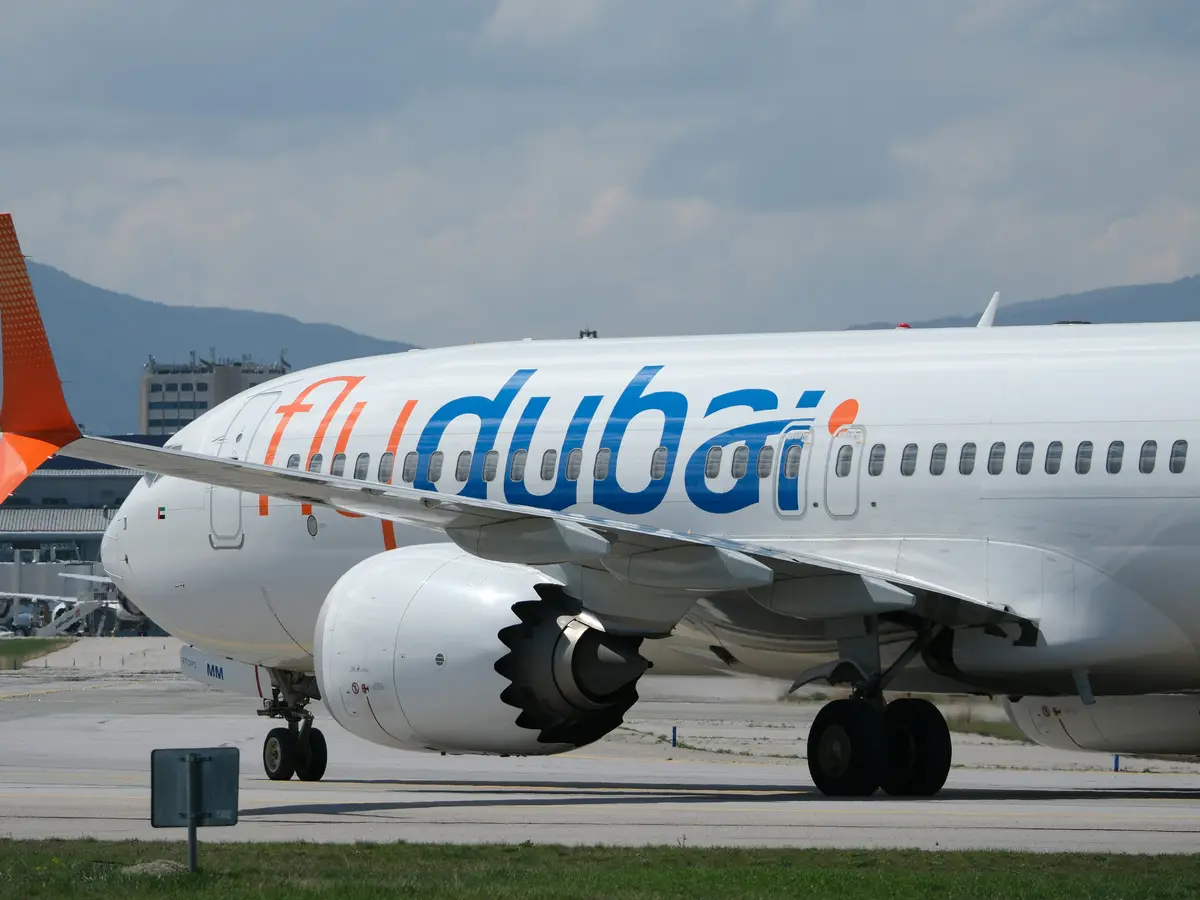
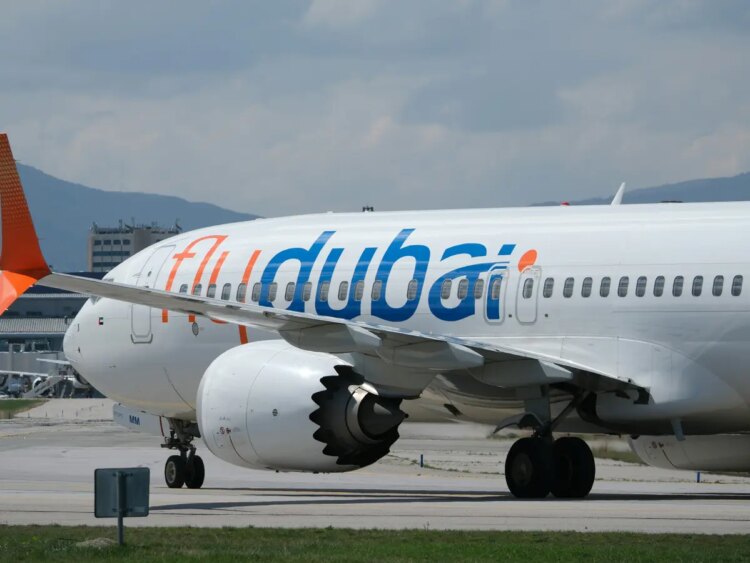
A woman’s drunken episode on a Flydubai flight to Moscow led to the flight’s delay. The incident involved the woman demanding alcohol, attacking the crew, and picking fights with other passengers. This event highlights the ongoing challenges in maintaining safety and order on commercial flights, particularly in situations involving intoxicated passengers.
A passenger on a Flydubai flight to Moscow became intoxicated and caused a disturbance, leading to the flight’s delay.
The woman demanded alcohol, attacked the crew, and engaged in aggressive behavior towards other passengers.
The incident underscores the importance of managing passenger behavior, especially in situations involving alcohol consumption on flights.
Actionable Takeaways:
Enhanced Passenger Screening and Behavior Management: Airlines should implement more robust pre-flight screening processes to identify and manage passengers who may be under the influence of alcohol or other substances. This could include additional background checks, health screenings, and behavior assessments. The relevance of this takeaway lies in its potential to prevent disruptive incidents, thereby improving flight safety and passenger experience.
Improved Crew Training on Dealing with Intoxicated Passengers: There is a need for comprehensive training programs for airline crew members to effectively handle situations involving intoxicated passengers. This training should cover de-escalation techniques, legal protocols for passenger removal, and communication strategies to maintain control of the situation. The relevance of this takeaway is in its potential to reduce the frequency and severity of incidents caused by intoxicated passengers, thereby enhancing operational efficiency and safety.
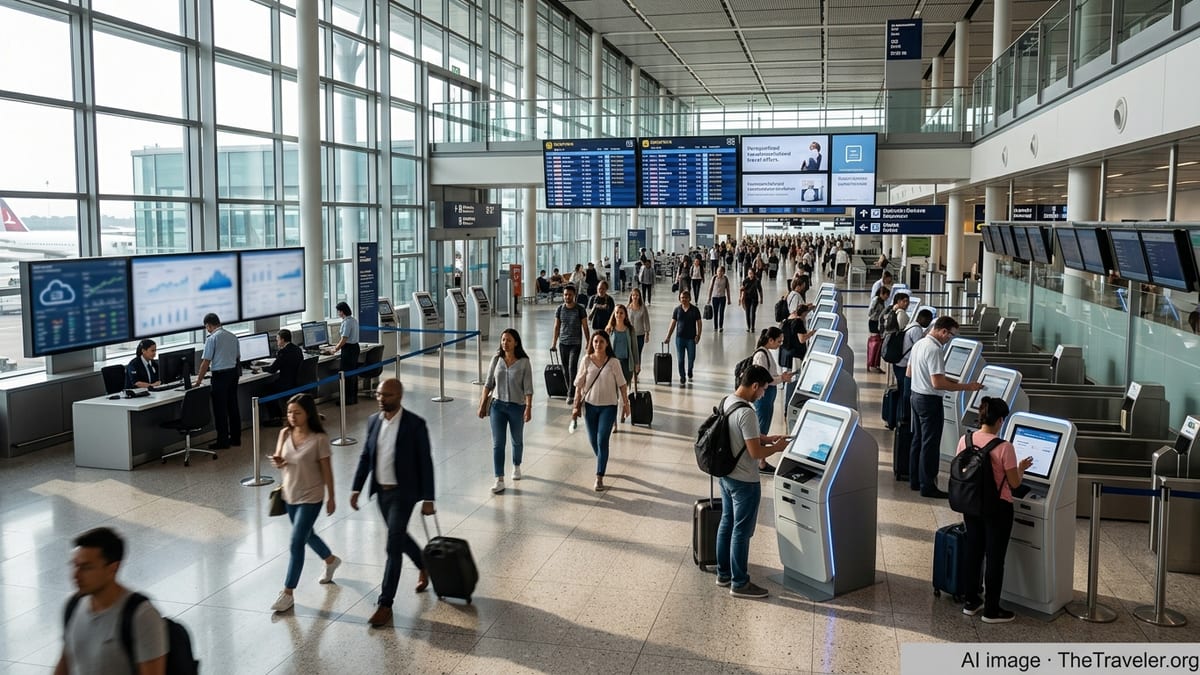
Integration of Technology for Real-Time Passenger Monitoring: Airlines could leverage technology, such as AI-driven monitoring systems, to detect signs of intoxication or disruptive behavior in real-time. These systems could analyze passenger behavior, voice patterns, and other indicators to alert crew members to potential issues before they escalate. The relevance of this takeaway is in its potential to proactively address safety concerns, thereby reducing the likelihood of disruptive incidents and improving overall flight safety.
Contextual Insights:
The incident on the Flydubai flight highlights the ongoing challenges faced by the travel industry in maintaining safety and order, particularly in situations involving intoxicated passengers. This event is reflective of broader trends in the industry, such as the increasing demand for enhanced passenger safety measures and the growing importance of technology in managing complex operational challenges. The integration of AI-driven monitoring systems and enhanced crew training aligns with current industry trends towards leveraging technology to improve safety and passenger experience. Furthermore, the incident underscores the need for airlines to adopt proactive measures to prevent disruptive incidents, thereby enhancing their reputation and operational efficiency.