







No products in the cart.
- Latest
- Trending

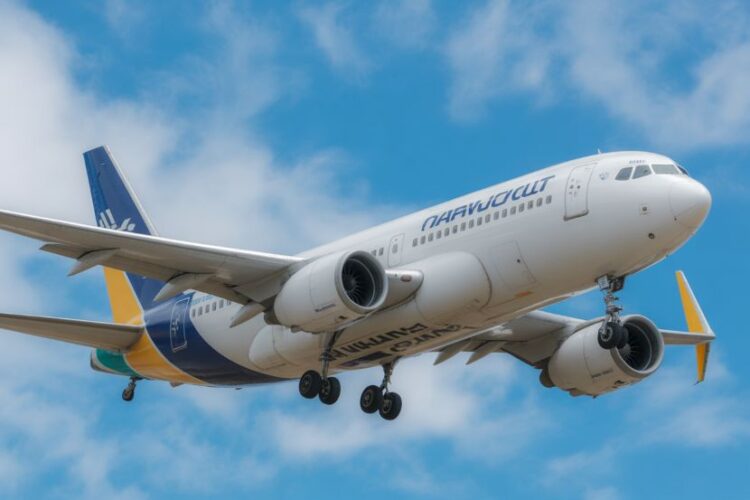
Thousand of Passengers Left Stranded as 1,960 Flights Delayed and 158 Canceled Across Dubai, Sharjah...
Article Summary:
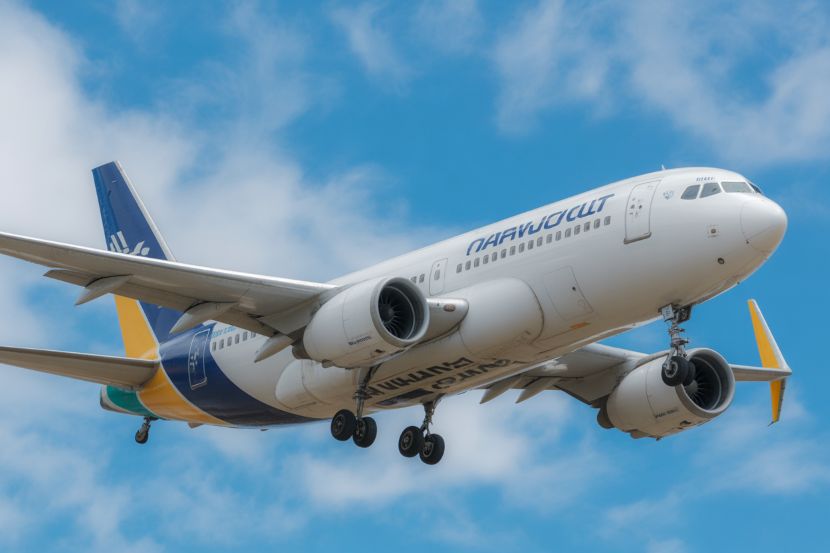
On December 19, 2025, a significant disruption was reported in the Middle East aviation sector, affecting thousands of passengers across Dubai, Sharjah, Riyadh, and Jeddah. A total of 1,960 flights were delayed, and 158 were canceled, impacting major hubs including Dubai International Airport, Sharjah International Airport, King Khalid International Airport in Saudi Arabia, and King Abdulaziz International Airport. The disruption involved major airlines such as Emirates, FlyDubai, Saudia, and others, prompting travelers to check official flight updates for the latest information.
Key Points:
Actionable Takeaways:
Contextual Insights:
The disruption in Middle East aviation highlights the vulnerabilities in the current travel infrastructure, particularly in handling large-scale operational challenges. This incident underscores the need for enhanced technological solutions and communication strategies within the industry. As travel trends continue to evolve, with a growing emphasis on digitalization and real-time data management, the travel sector must adapt to ensure resilience against such disruptions. Thought leaders suggest that integrating AI-driven predictive analytics and improving inter-airline coordination can significantly enhance operational efficiency and passenger experience. Additionally, the focus on fintech innovations, such as streamlined ticketing and payment solutions, can further support the industry in navigating unforeseen challenges.
Read the Complete Article.
Get curated travel AI insights — choose the newsletters that matter to you.
This spot is reserved for brands with a compelling story for the travel trade. They use this space to cut...
Read moreDetailsTravel One Technologies launches the world’s first Traveler DNA Platform, targeting the structural data gap at the core of an...
Read moreDetails