





No products in the cart.
- Latest
- Trending

Dubai, Abu Dhabi, Jeddah and Dammam Face New Travel Chaos as Over 890 Cancellations and Delays are R...
Article Summary:
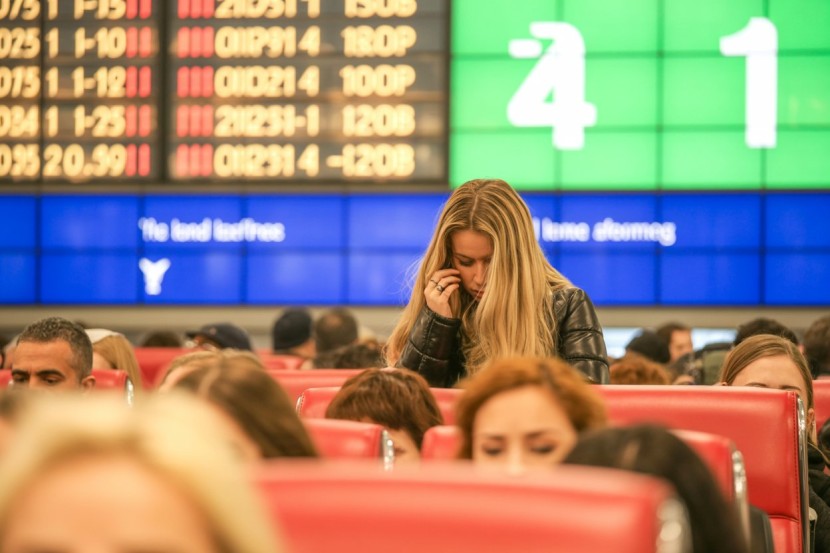
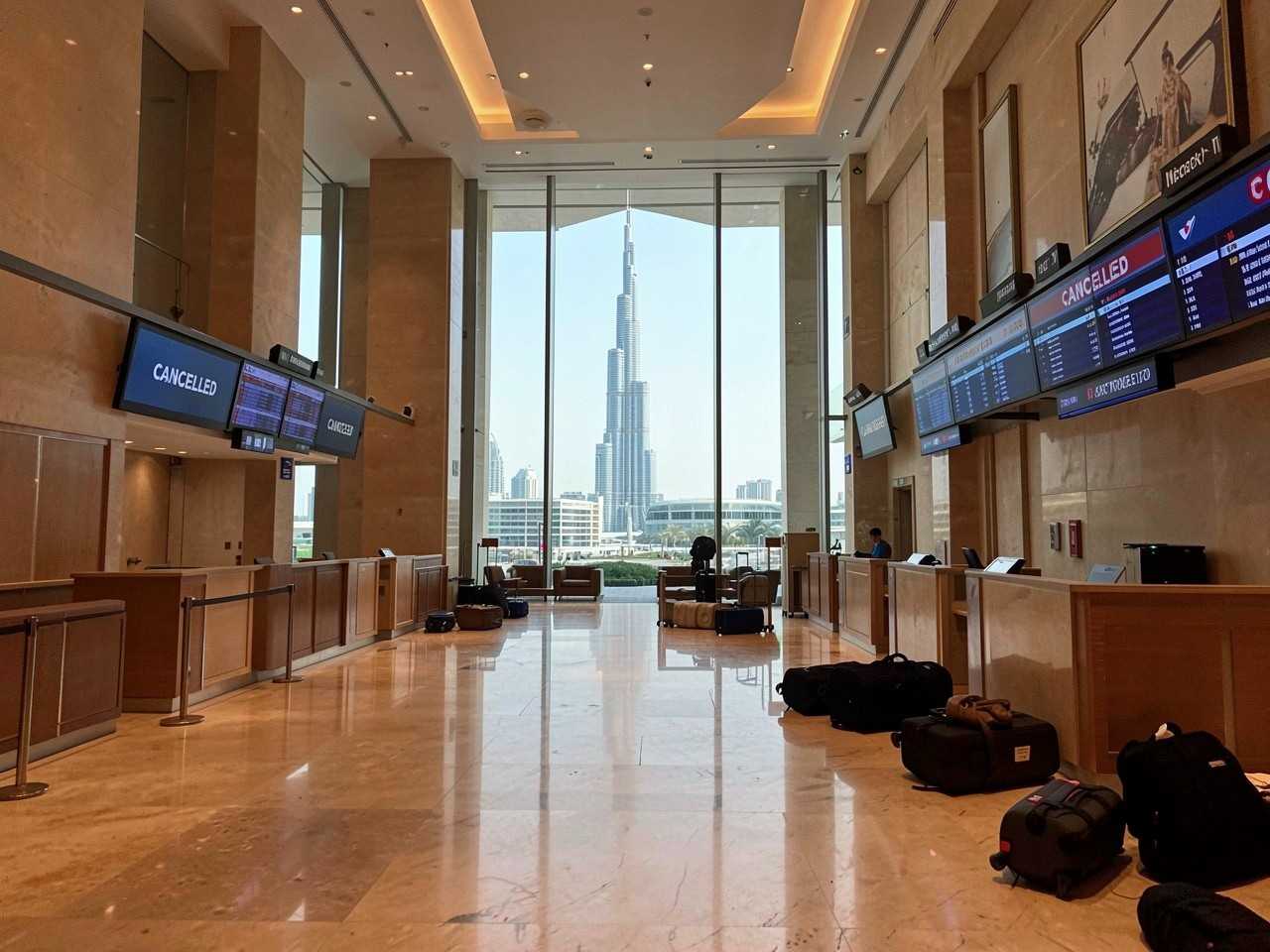
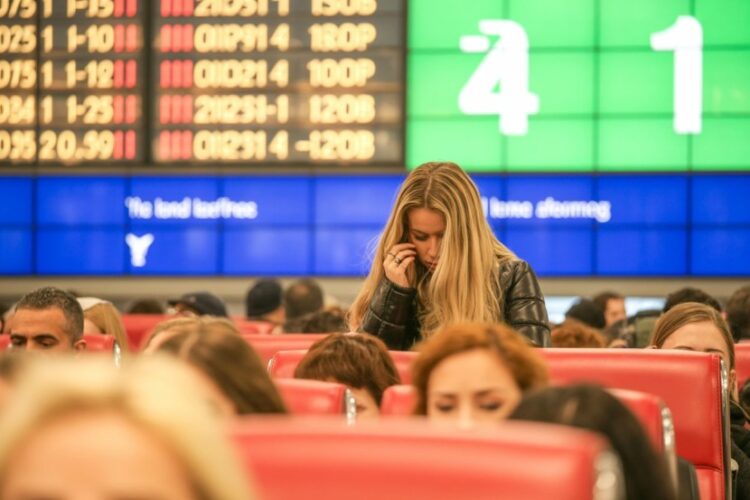
On December 7, 2025, Dubai International, Abu Dhabi International, King Abdulaziz International (JED), and King Fahd International (DMM) airports collectively reported 894 delays and 5 cancellations, with Dubai alone experiencing 384 delays and Jeddah 328. This travel chaos was reported by airlines including Etihad, Saudia, FlyDubai, and Flynas, highlighting significant disruptions in the Middle East travel sector.
Key Points:
Actionable Takeaways:
Contextual Insights:
The recent travel chaos in the Middle East underscores the vulnerabilities in the current travel infrastructure and highlights the need for enhanced operational resilience. The disruptions reported by Etihad, Saudia, FlyDubai, and Flynas are indicative of broader systemic issues that could affect the travel industry globally. As the travel sector continues to recover from pandemic-related challenges, the focus on technological advancements and collaborative strategies will be crucial. Thought leaders suggest that innovations in travel tech, such as AI-driven predictive analytics and improved communication platforms, can play a pivotal role in mitigating future disruptions. Additionally, the emphasis on passenger experience and safety during such events reflects a growing industry trend towards customer-centric solutions. By adopting these insights, the travel industry can better prepare for and respond to unforeseen challenges, ensuring a smoother and more reliable travel experience for passengers.
Read the Complete Article.
Get curated travel AI insights — choose the newsletters that matter to you.
This spot is reserved for brands with a compelling story for the travel trade. They use this space to cut...
Read moreDetailsTravel One Technologies launches the world’s first Traveler DNA Platform, targeting the structural data gap at the core of an...
Read moreDetails